Category Archives: Education

Welcoming native bees

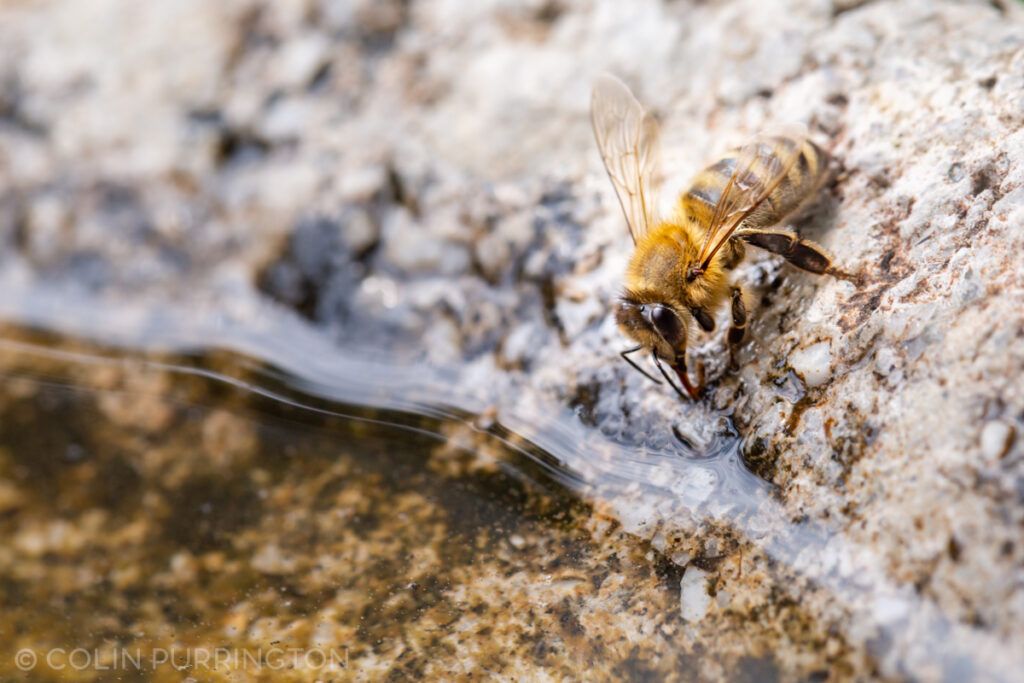
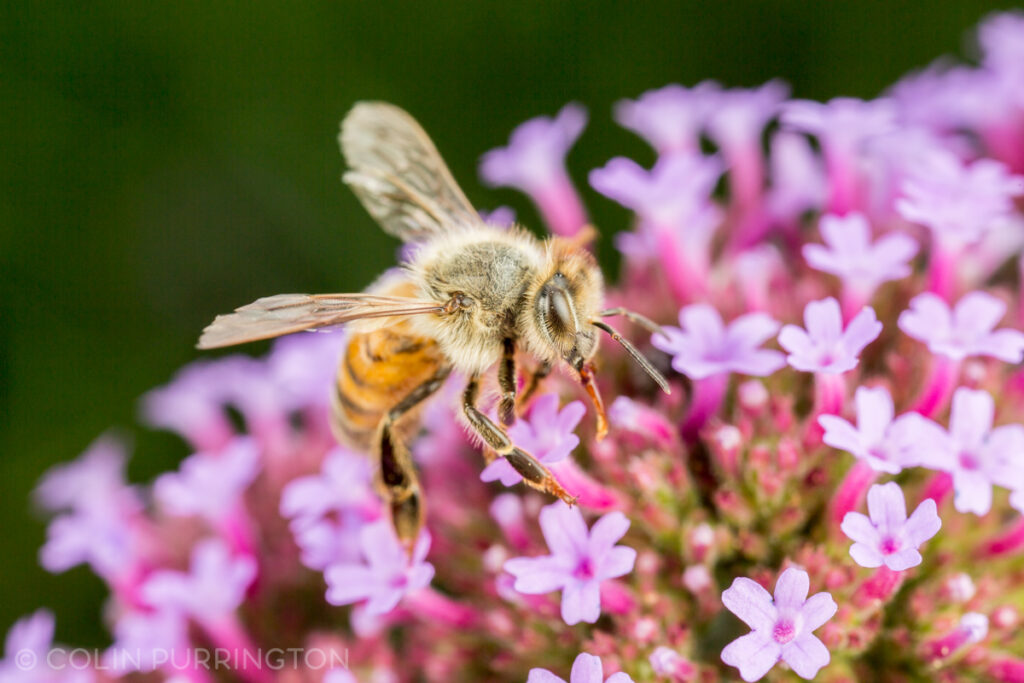
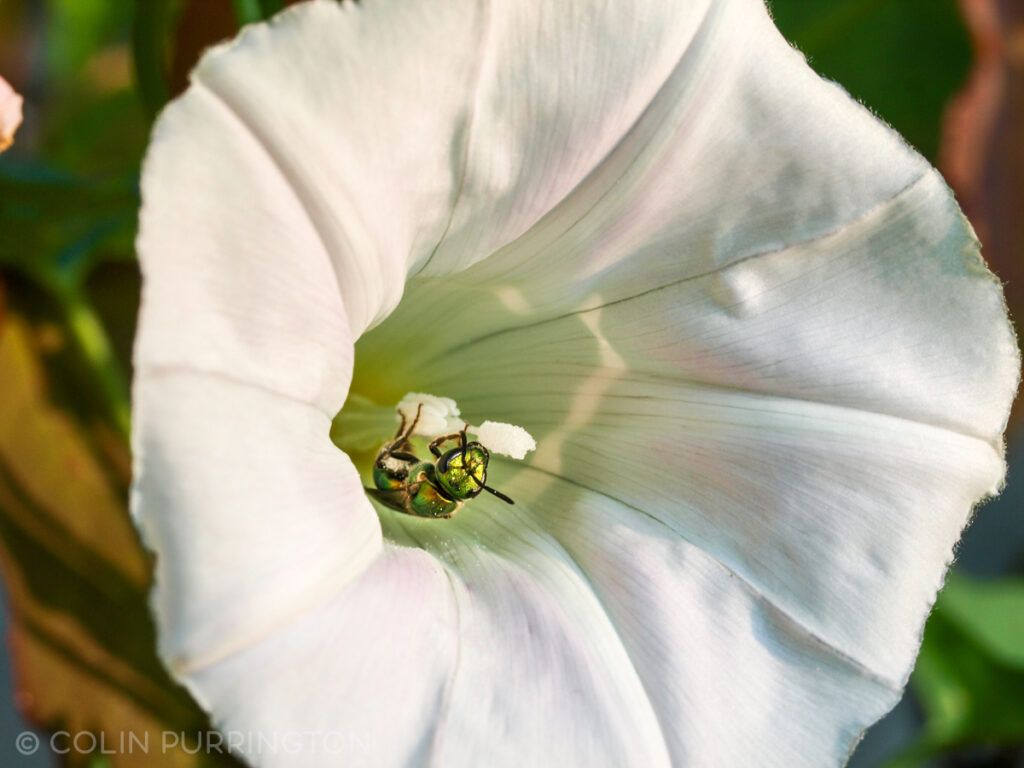
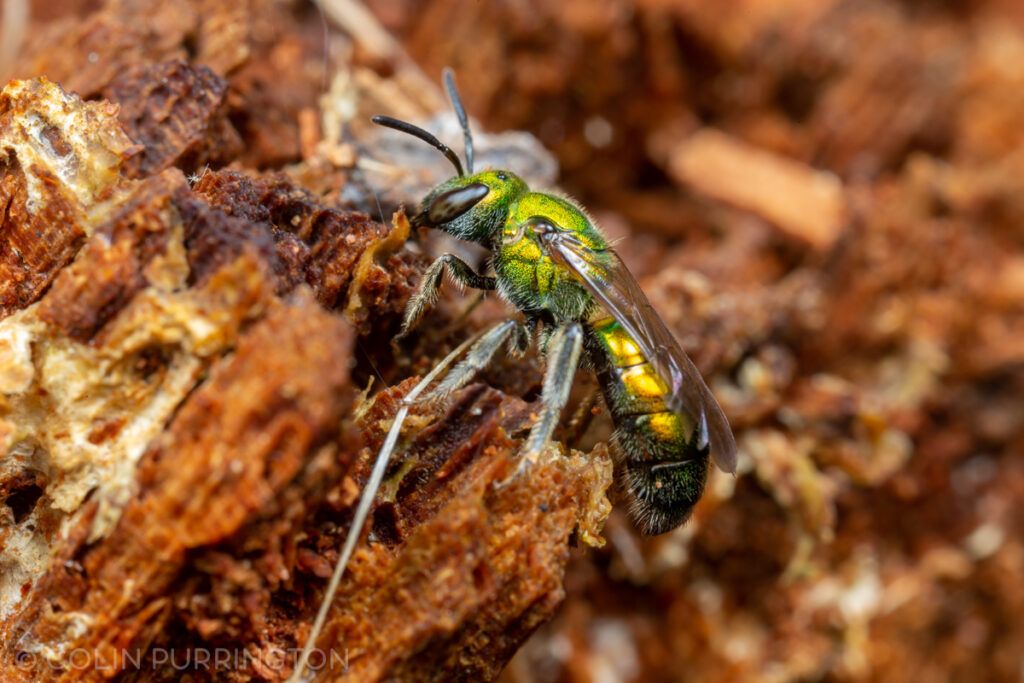
I gave a Zoom lecture last night on why people should care about native bees, and promised the audience (friends of Belmont Hills Library, in Bala Cynwyd, PA) that I’d share some links, photographs, and answers to some of the questions at the end. If you have any lingering questions or thoughts, please don’t hesitate to contact me. Good luck attracting bees, and thanks again for the invitation.

My blog posts I referenced

Links of interest

Articles

Bee books

Answers to questions

  • Good native ground cover to replace English ivy? A: golden groundsel (Packera aurea).
  • Honey from any native bees? A: yes, from stingless bees. I have a few photographs from Costa Rica and Mexico. It’s more liquidy than European honey bee honey.
  • Are yellow jackets wasps or bees? A: wasps
  • How deep do ground-nesting bees dig? A: I looked up the record and in some species the tunnels can extend down 10 feet or more. But 12 to 18″ is more typical.
  • Do figs actually eat wasps? A: Figs in the wild are pollinated by wasps, but as I mentioned, the varieties we grow in the United States don’t require pollination, so the crunch is not due to wasps within. Fig and biology fans should read Gods, Wasps, and Stranglers: the Secret History and Redemptive Future of Fig Trees.
  • Is it worth keeping hostas in pots for leafcutter bees A: It is never worth keeping hostas alive for any reason. But leafcutter bees will use them, I’ve read.

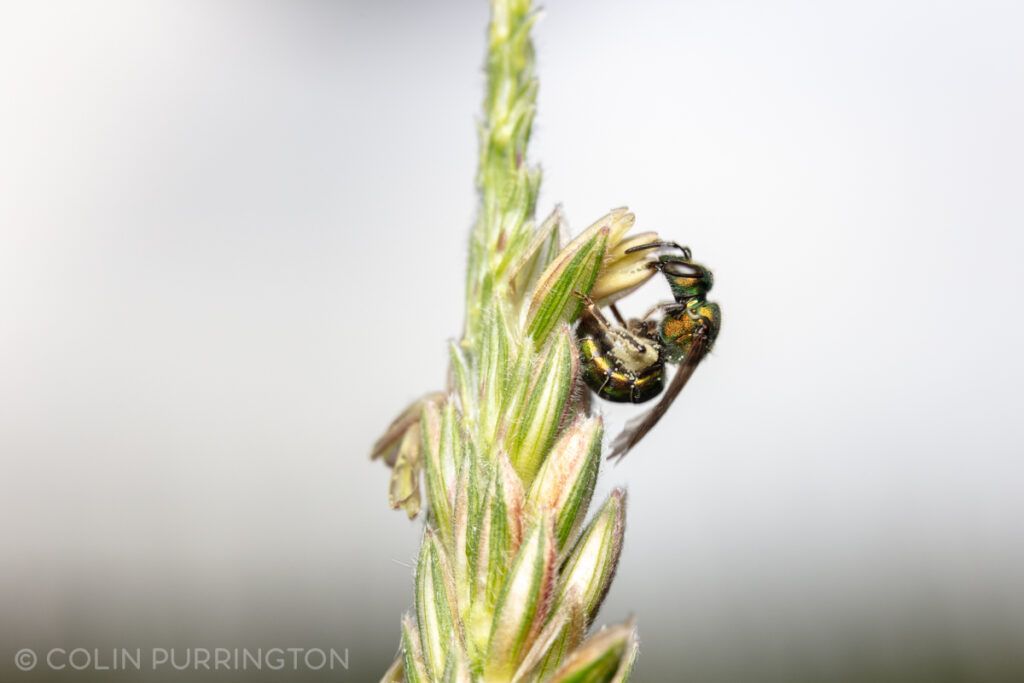
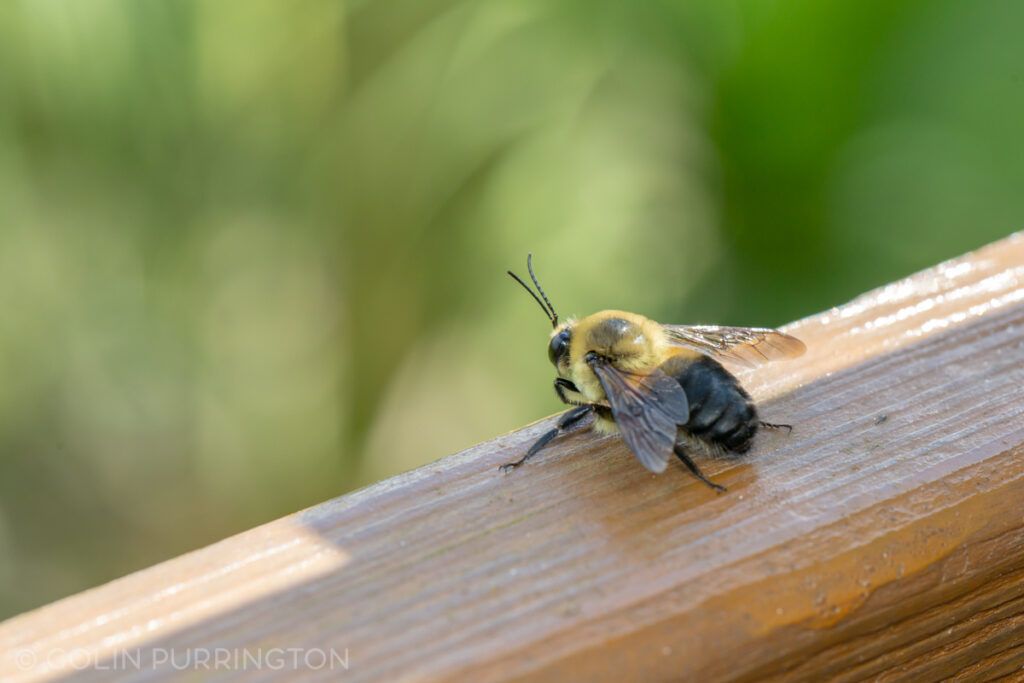
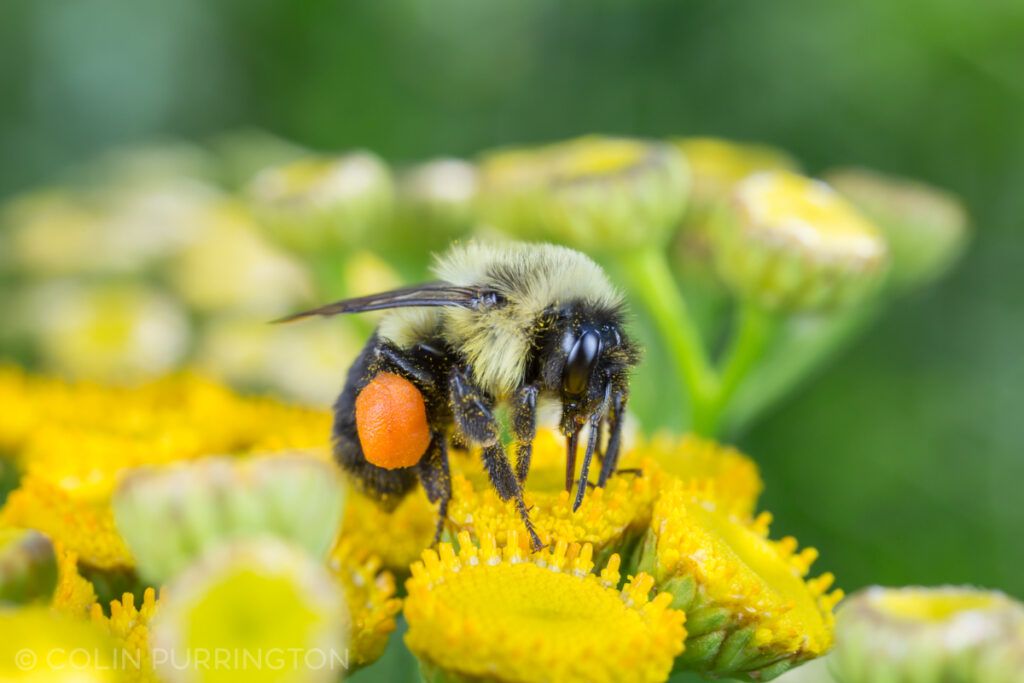
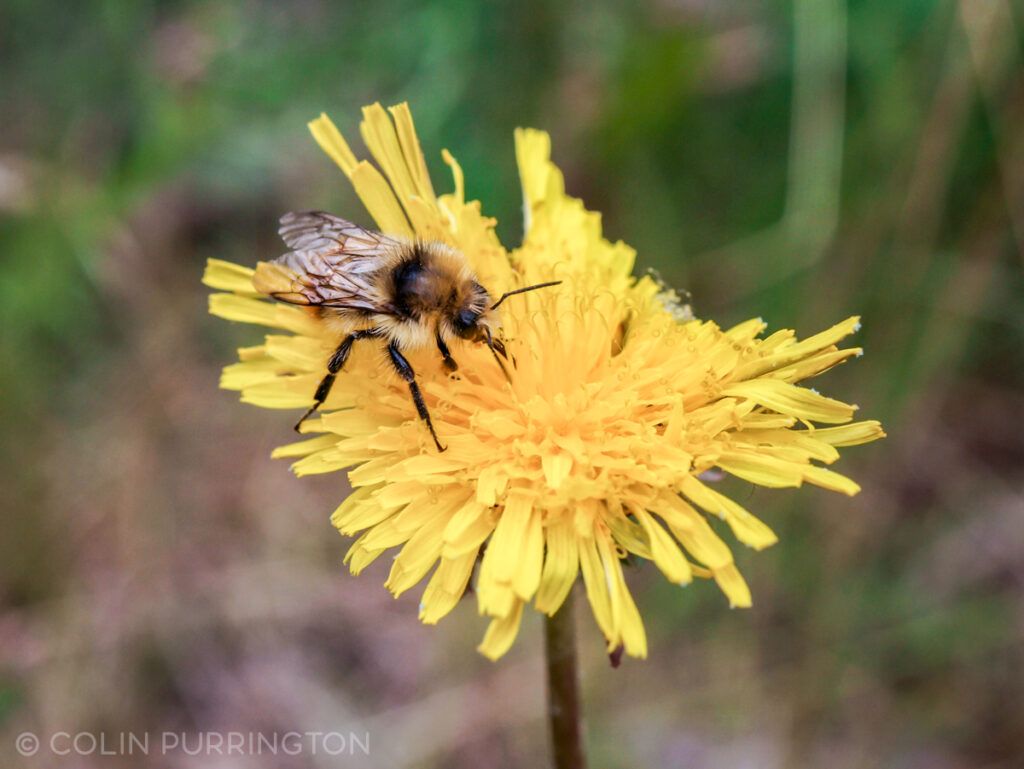
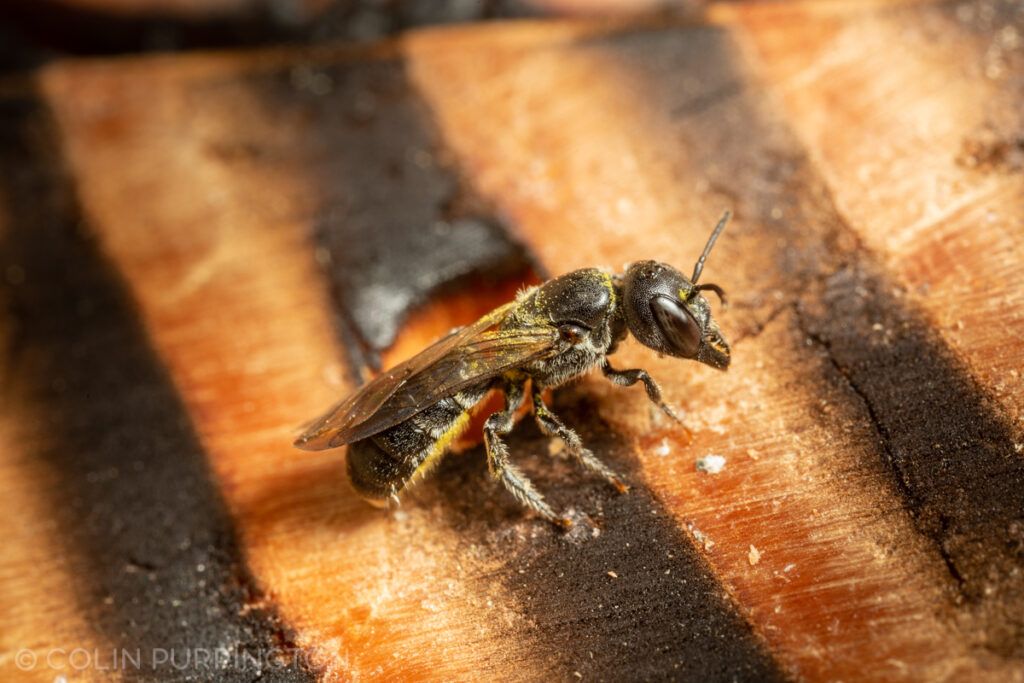
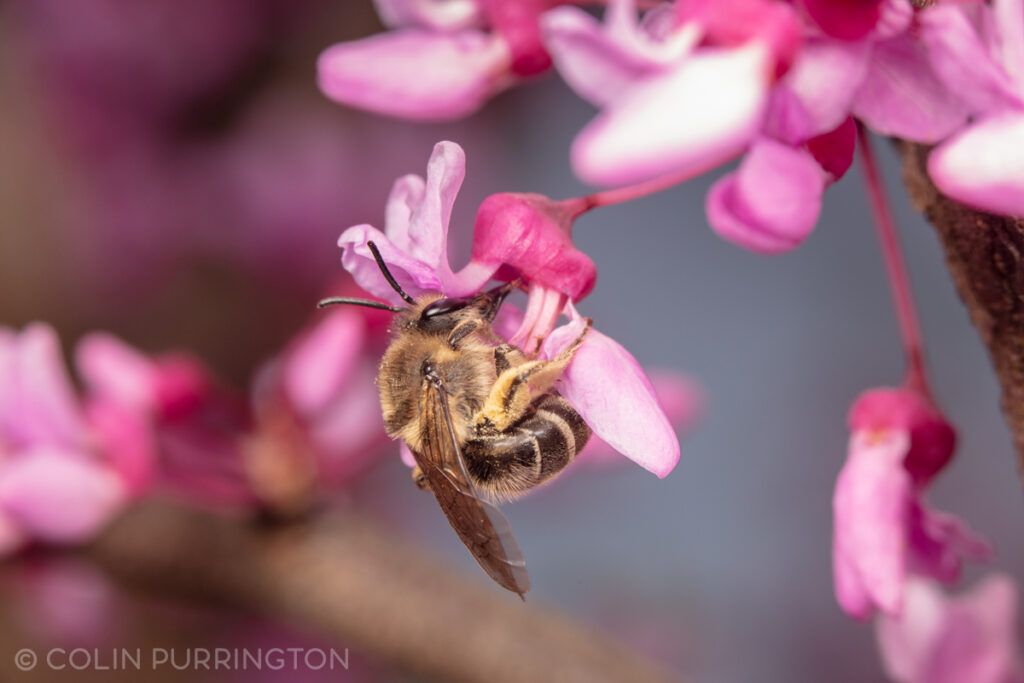
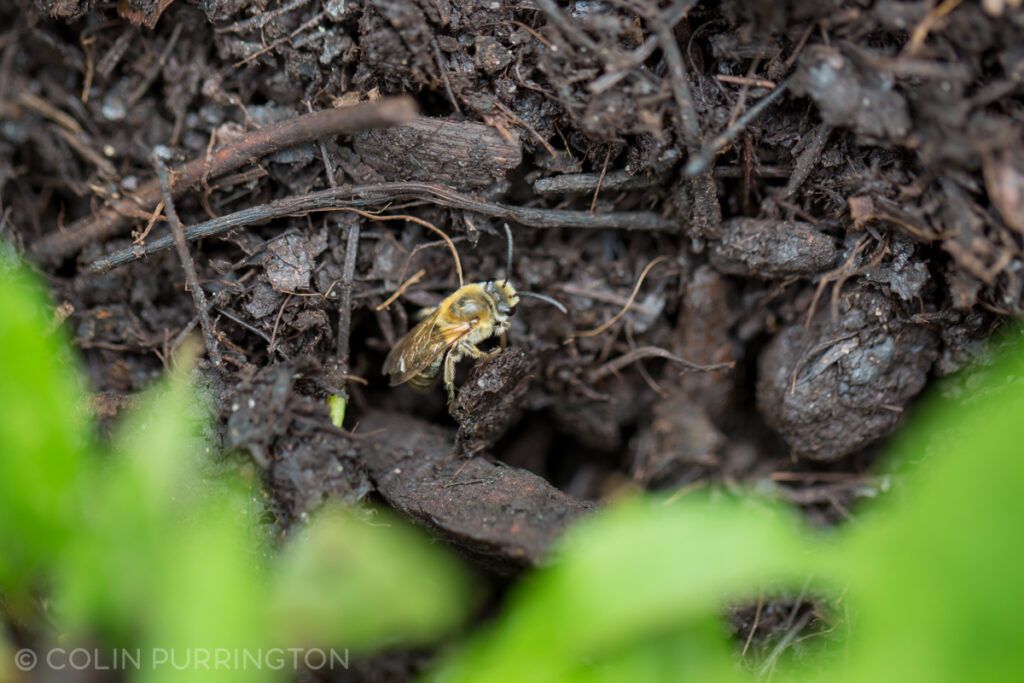
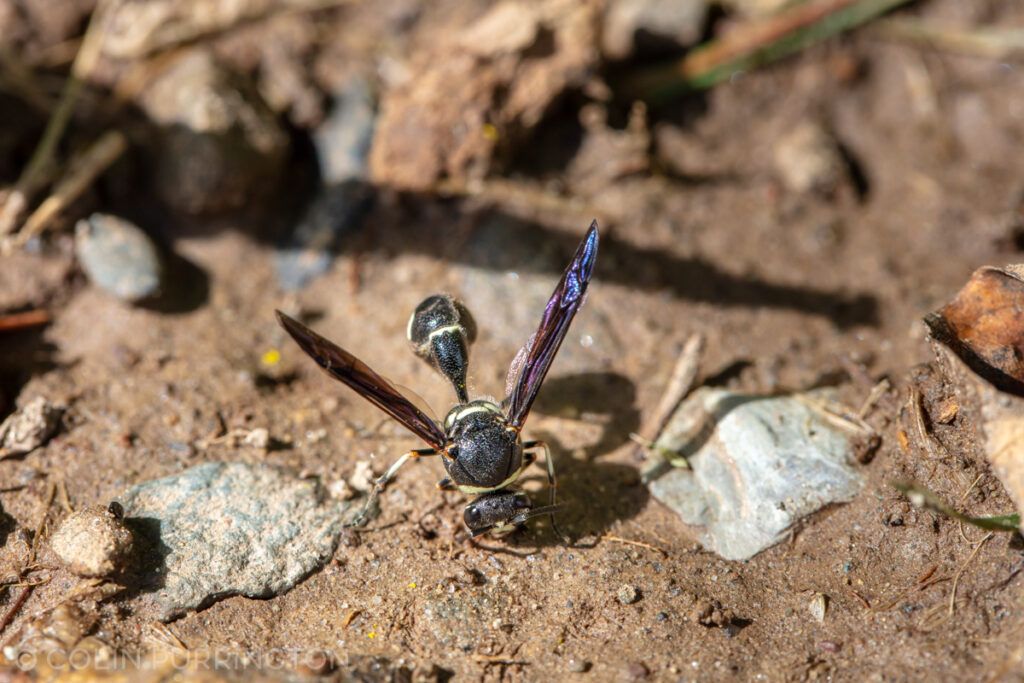
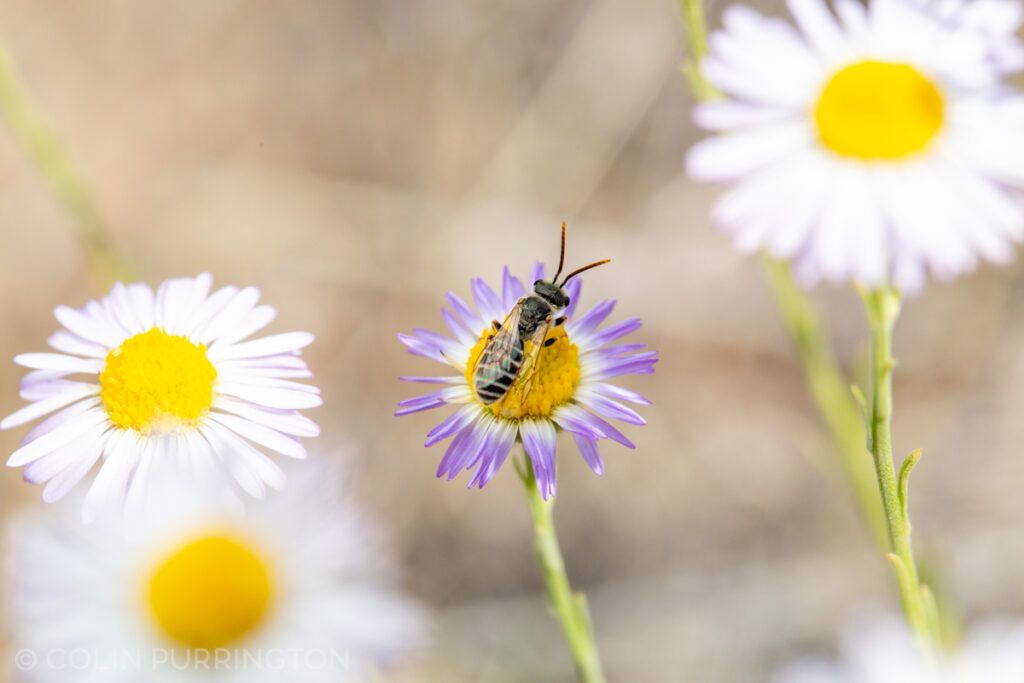
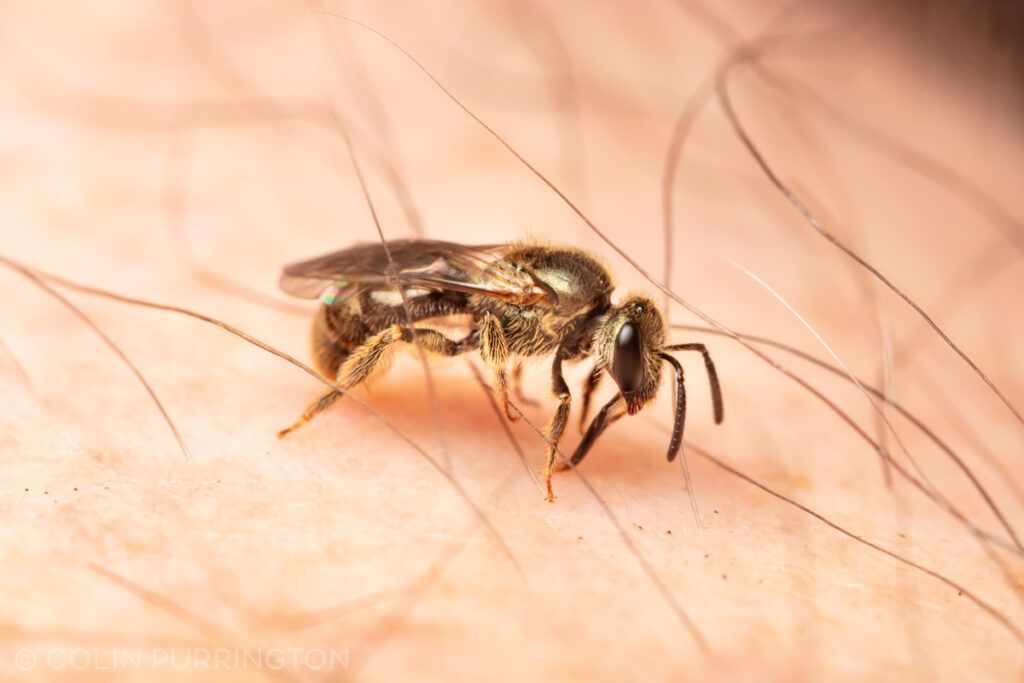
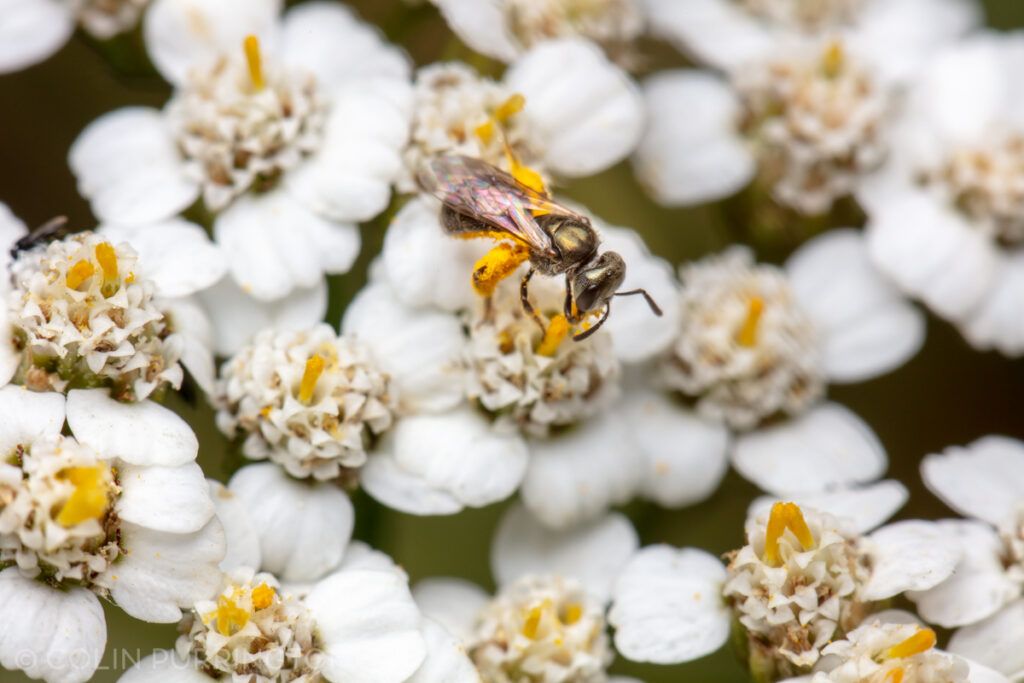
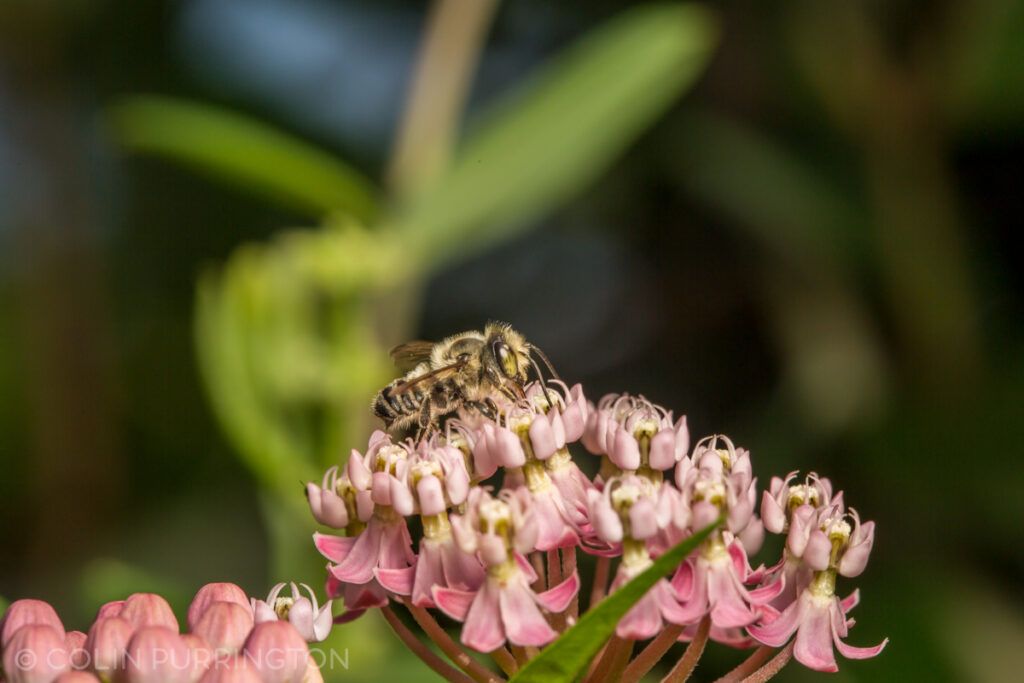
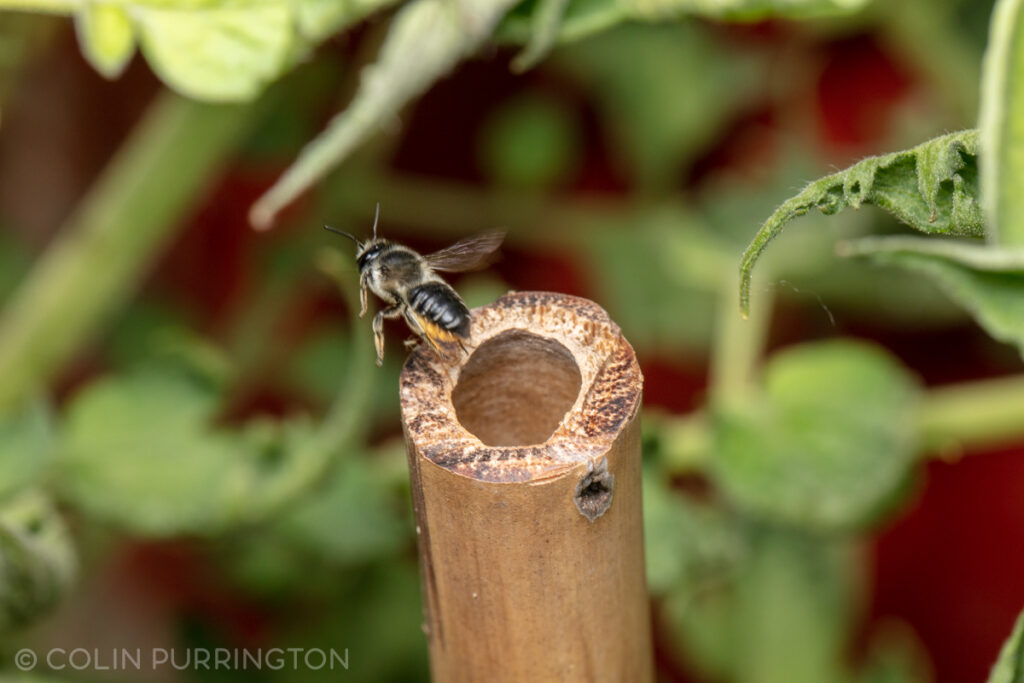
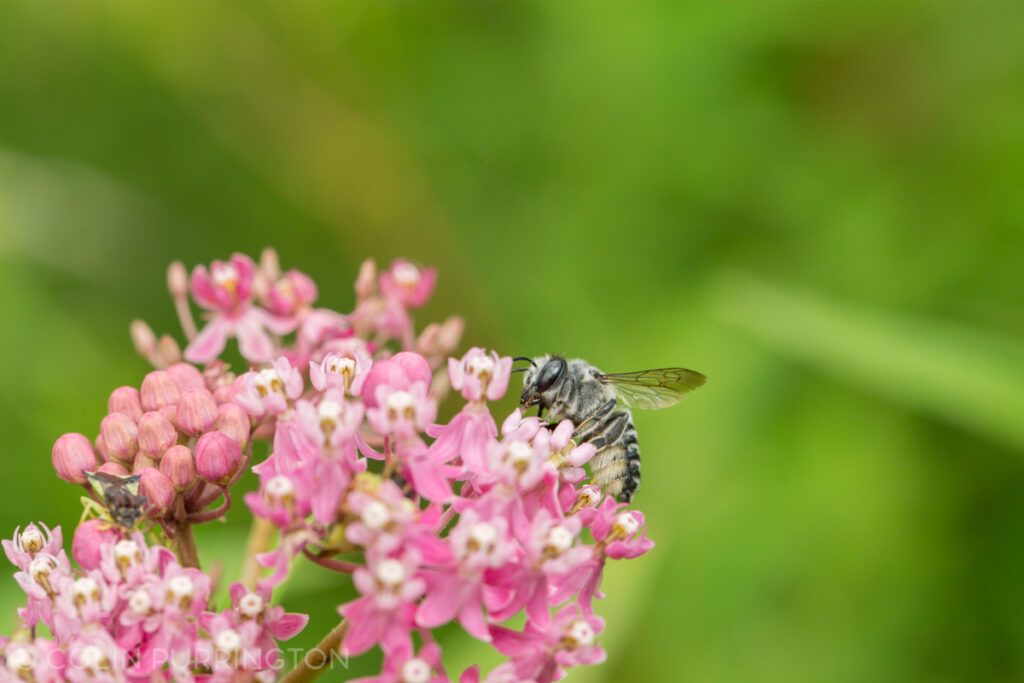
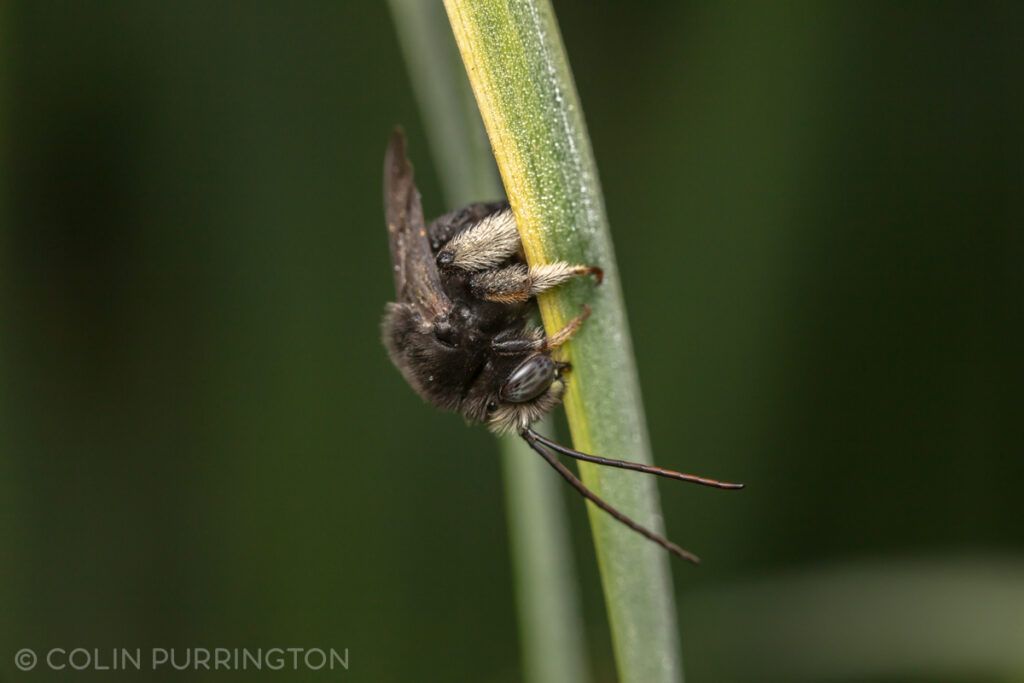
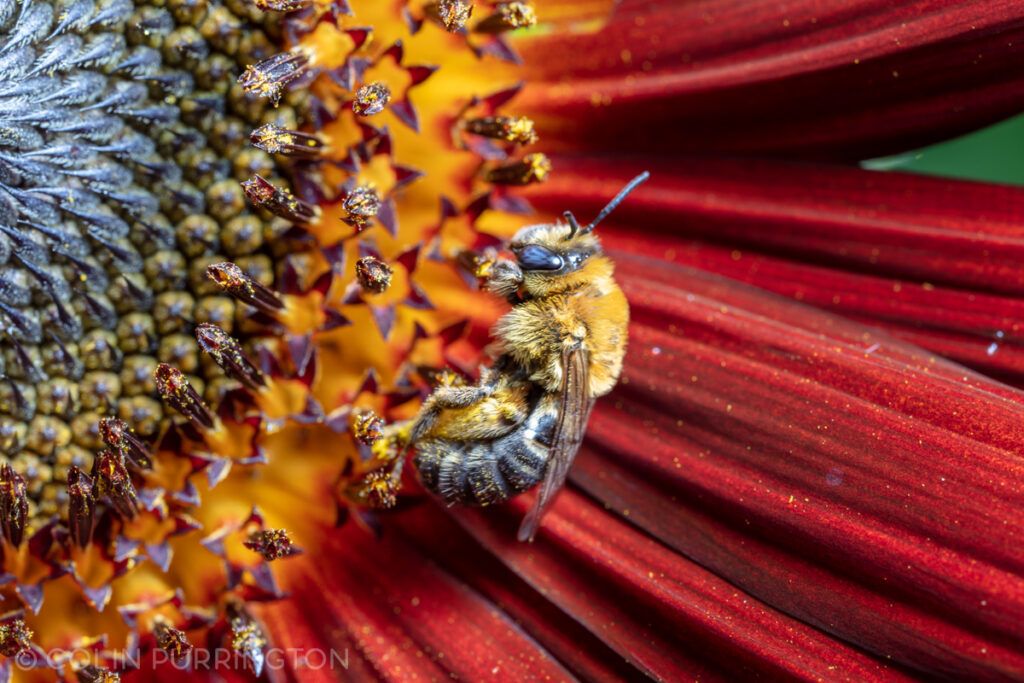
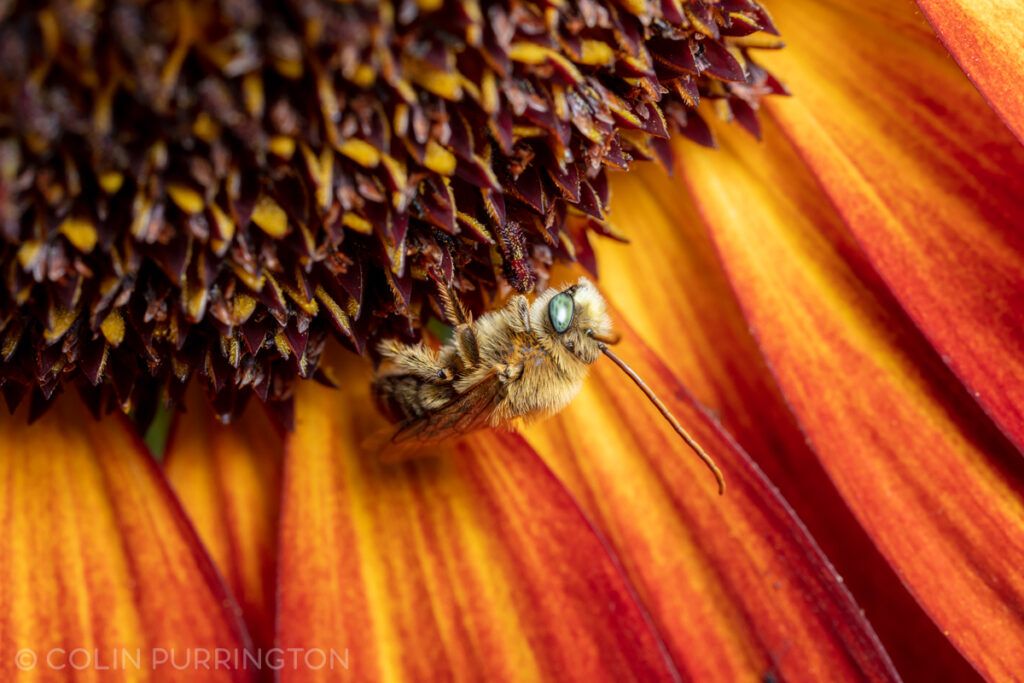
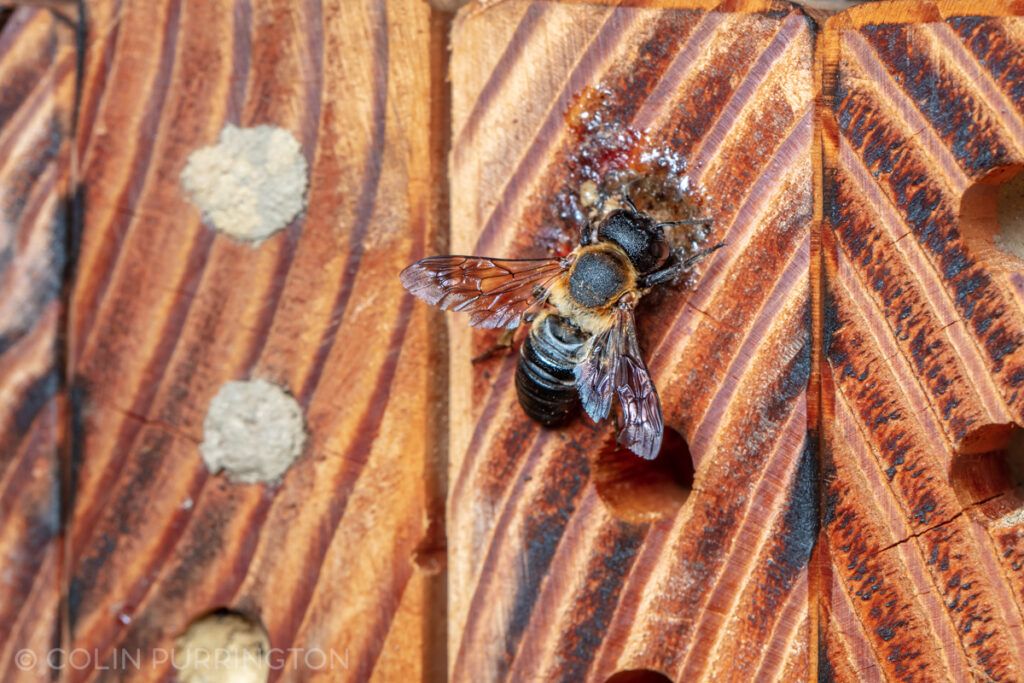
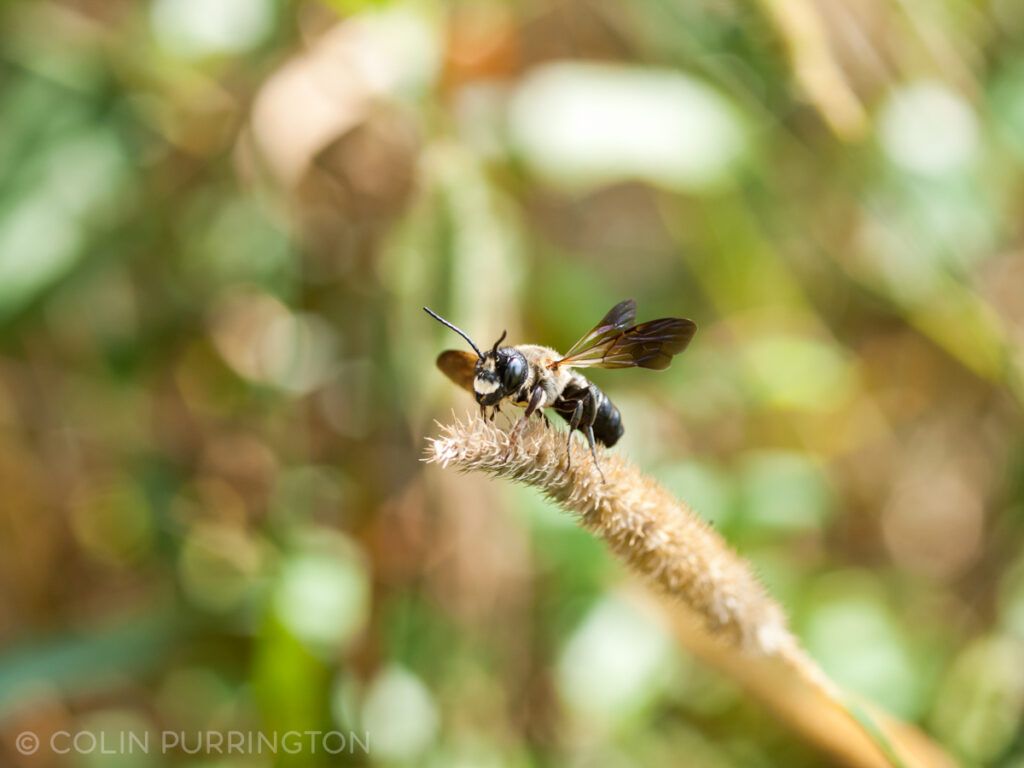
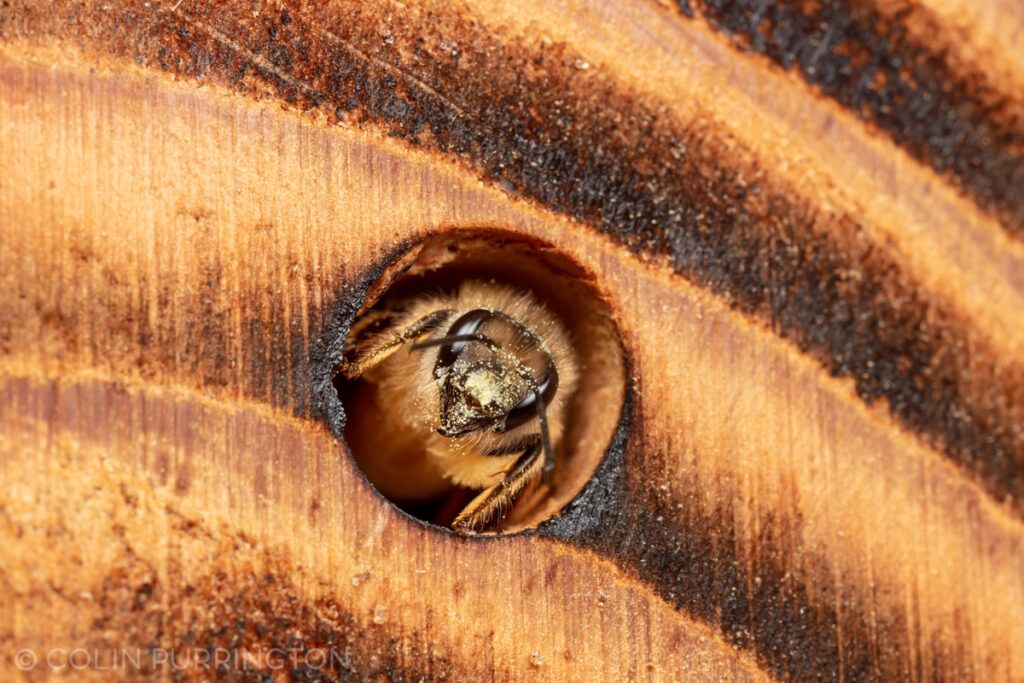
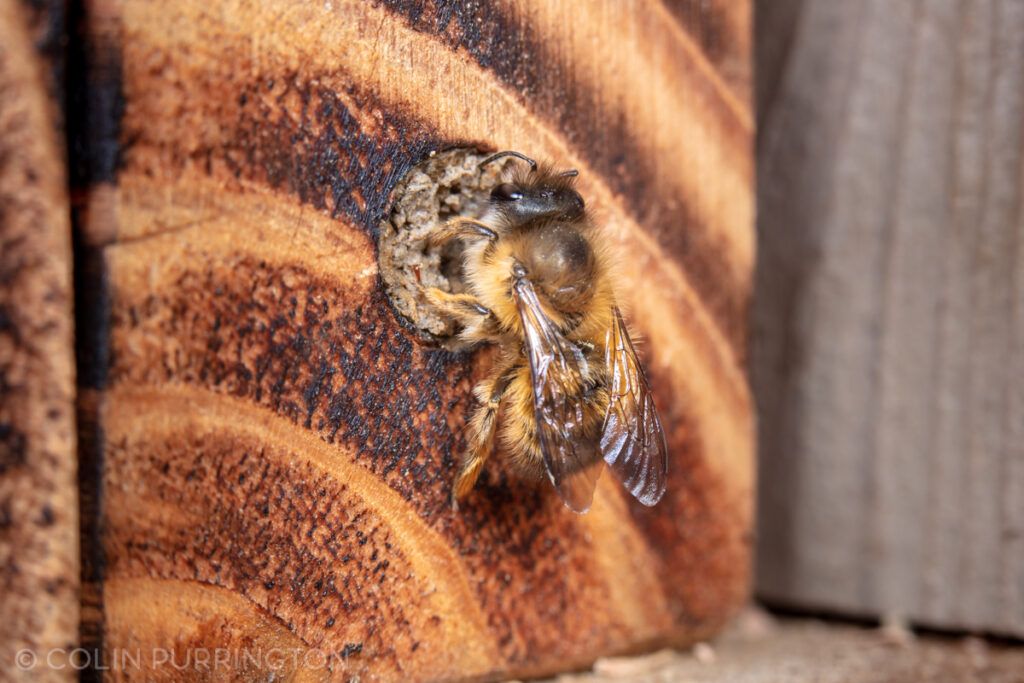
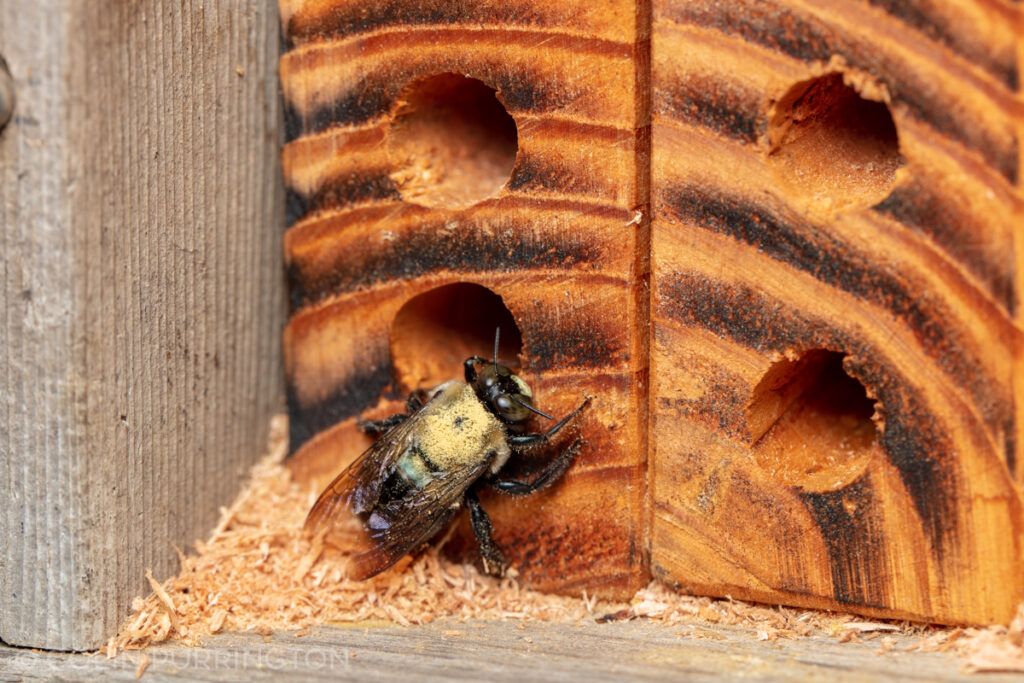
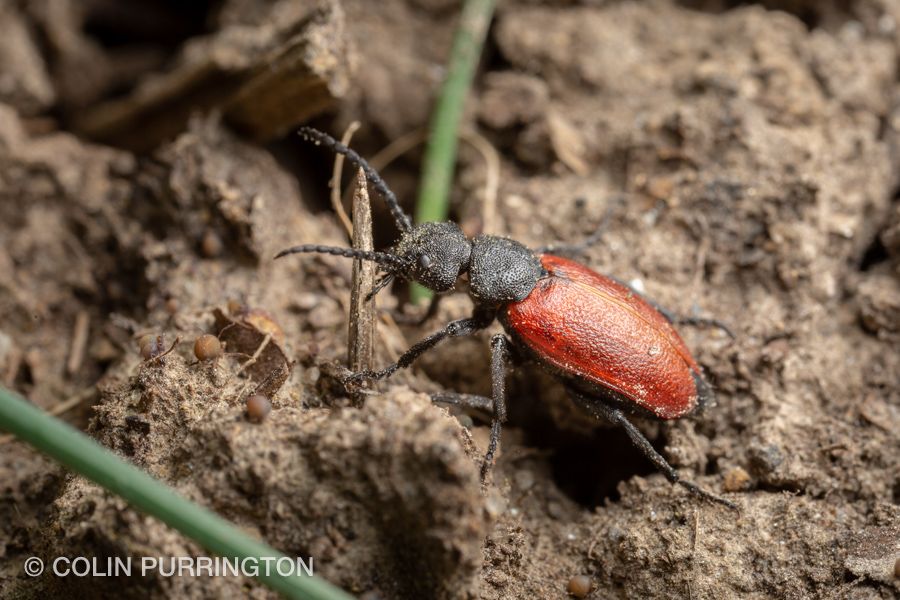
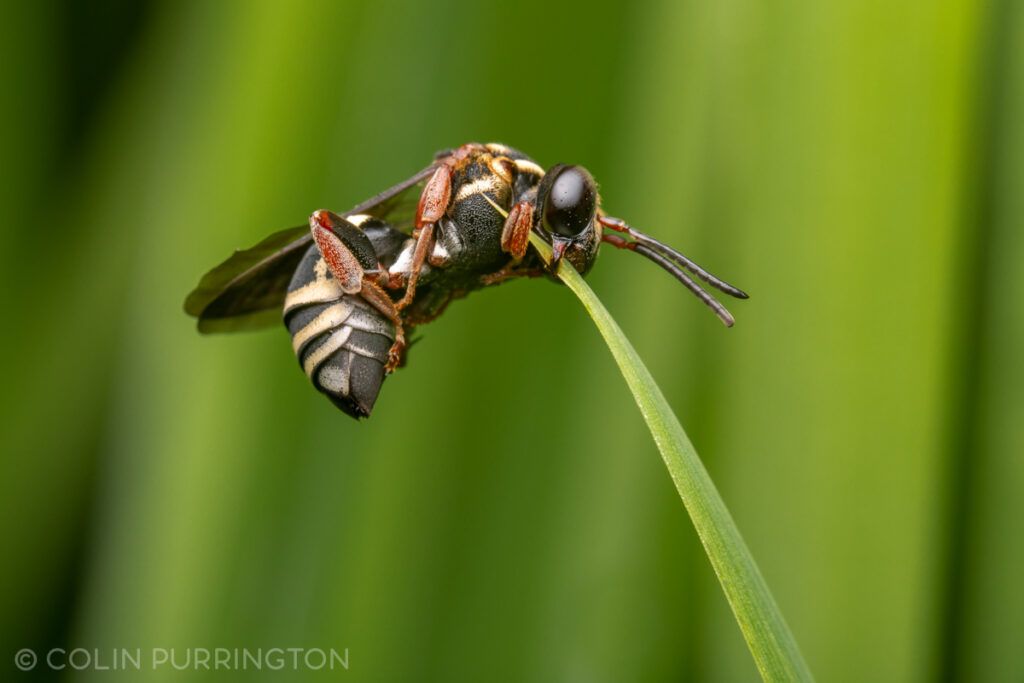
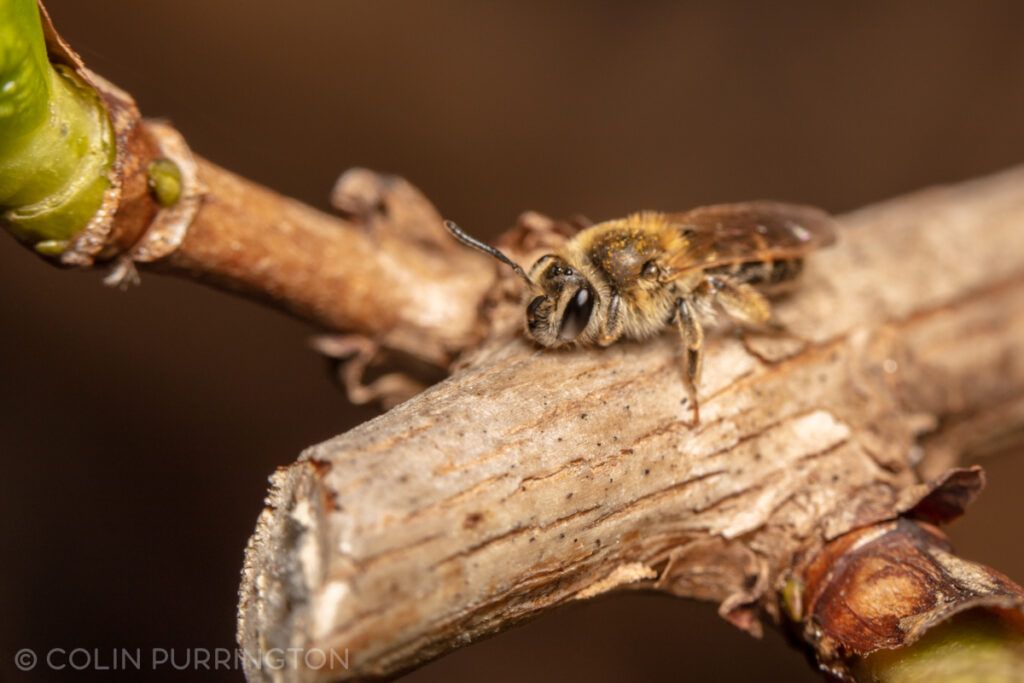
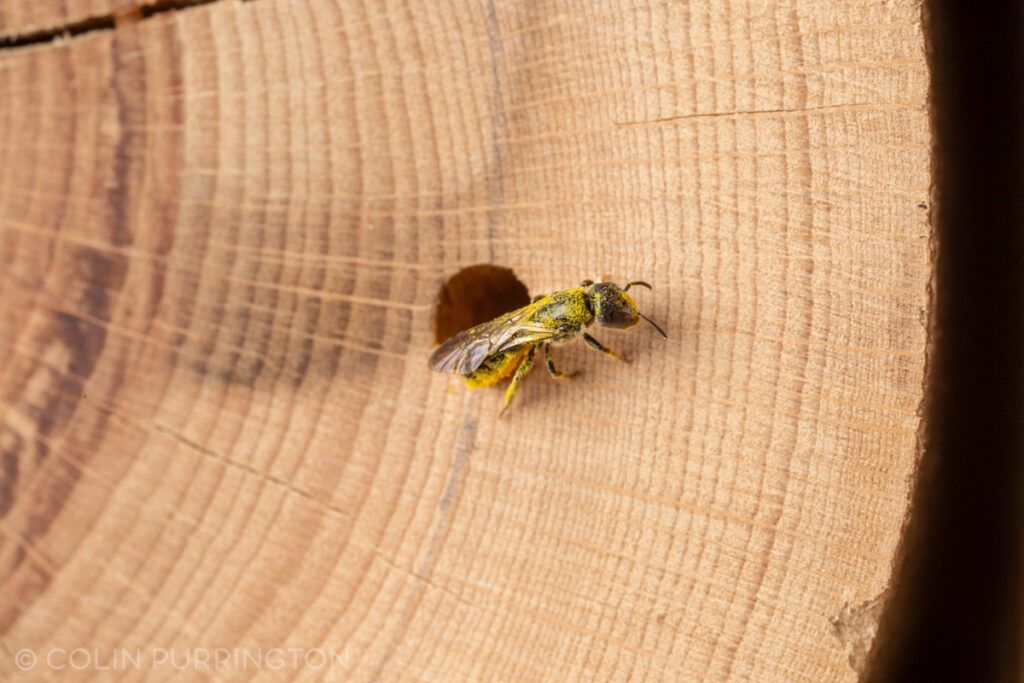
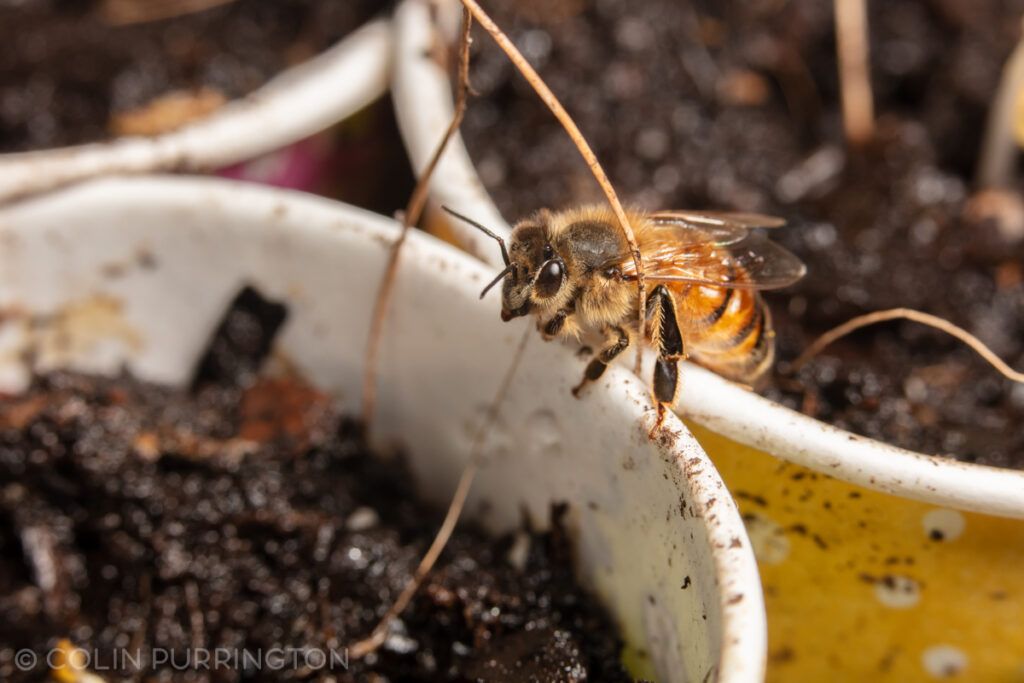
Photographs I showed or meant to show

For more photographs of bees (and wasps), my full collection is on SmugMug.
#BeeBest

Mosquito-control strategies and devices that don’t work

Health officials love to remind people to wear pants and use CDC-approved repellents, but they tend to shy away from telling the public what doesn’t work. As a result, millions of people embrace ineffective techniques and gimmicks that waste money and expose family members to mosquito-borne diseases. So I thought I’d make a list of the top myths and scams just in case skeptical people want details.

1. Mosquito-repelling plants

Despite claims made by influential, wholesome gardening folks on Facebook, there are no plants that repel mosquitoes. The plant marketed as the “mosquito plant” is no exception.

2. Bug Zappers

These devices make a satisfying crackle but if you dump all the carcasses on a table and sort them, you’ll find that only a very small fraction of the victims are mosquitoes. In one study, 0.22% were mosquitoes. Mostly you’ve just electrocuted thousands of small, defenseless moths and night-active beetles. More details.

3. Tubes of yeast and sugar

Containers filled with yeast and sugar are really good at attracting and killing fruit flies, ants, and wasps but will not control your mosquitoes. If you want details I’ve reviewed Tougher Than Tom’s Mosquito TNT and the Spartan Mosquito Pro Tech.

4. Dynatraps

These don’t appear to work. I’ve tried two different models and splurged on the optional lure but only succeeded in killing large numbers of moths, beetles, and other innocent insects (and thus depriving local birds of food). If you’re still on the fence read some of the 1-star reviews on Amazon.

5. Citronella candles

Citronella candles, coils, and torches only seem to work if you surround yourself with a lot of them, ideally in a protected area so that wind doesn’t dissipate the smoke. The fire and smell combine to activate a strong placebo effect in people who are susceptible to gimmicks.

6. Ultrasonic devices and apps

None of these have been found to work (details). The FTC has taken some companies to court. There is, however, a device called The Mosquito that is effective at repelling teenagers.

7. Listerine

Just another internet rumor started by somebody with too much free time.

8. Bounce dryer sheets

Per one study fungus gnats (which don’t bite) were mildly repelled by dryer sheets. I’d wager these sheets might actually be attractive to mosquitoes because some species home-in on perfumes.

9. Wrist bands with natural oils

At best, wrist bands will reduce the number of mosquito bites on your wrist simply because they can’t bite through the plastic. But they will not emit enough volatile compounds to shield the rest of you. NB: currently there are no wristbands that contain DEET or other CDC-approved repellent. Details.

10. Stickers laced with natural oils

Stickers only prevent mosquitoes from biting the flesh directly underneath the sticker. You’d need an awful lot of stickers for full protection. Note, same conclusion for the stickers that claim to infuse your bloodstream with B1.

11. Garlic

Eating garlic does not deter mosquitoes. It just deters other people.

12. Vitamin B1, B6, or B12 pills or patches

Nope, nope, and nope. Details. More details.

13. Mozi-Q pills

Just another scam. Details.

14. Bats and birds

Bats and birds eat mosquitoes under some circumstances (e.g., when they are caged with nothing else) but under most conditions they prefer to eat larger insects. Details.

Templates for better posters

There’s been a frenzy of discussion on Twitter this summer about conference poster design (see #betterposter, #betterposters, #butterposter) so perhaps it’s a good time to re-share my Powerpoint templates. If you’re new to posters please see my page, “Designing conference posters” for details.

Below is a standard horizontal template. I recommend 500-800 words and 1 or 2 graphics that are understandable without you needing to explain them.

poster-template-horizontal-1-purrington

Note that there is no requirement for the text boxes to have a line around them — it’s easy to set line width to zero. And if you want to delete the background color (gray, here), you can eliminate the “rectangles within rectangles” look. Totally up to you.

If you want to include a QR code, put it at the bottom so that it doesn’t distract from your interesting graphs and illustrations. Like this:

But be cautious about including a QR code. By design it invites a viewer to fire up their camera phone, and I’d wager that most will also take a pic of your entire poster. So skip the QR code if you don’t want people to take pics of your poster. A compromise is to print business cards that have the QR code (as well as poster title, your name, your email address) and then leave them in an envelope pinned next to your poster (“please take one!”).

Here’s a template that moves the Literature cited, Acknowledgements, and Further information to the far right column … which causes the Materials & methods and Results areas to have more room. But the Conclusions box gets squished (such is geometry).

poster-template-horizontal-2-purrington

Here’s a template that might work for a humanities topic. I’ve chosen to have a question/result/conclusion flow (from left to right) inside the main arena, but you can always rearrange. There are also no rules about section names — just redo those, too.

poster-template-horizontal-3-purrington

The final template is a portrait-style one. For this orientation I think it’s critical to put the least important sections on the very bottom (that position is really hard to read without stooping).

poster-template-vertical-purrington

If you’d like to read an article about the better posters frenzy, here’s one from Inside Higher Education in which I’m quoted a few times.