
Millions of people embrace ineffective techniques and gimmicks that waste money and expose family members to mosquito-borne diseases. Here are some of them.
1. Mosquito-repelling plants
Despite claims made by wholesome gardening folks on Facebook, there are no plants that repel mosquitoes. The plant marketed as the “mosquito plant” is no exception.

2. Bug Zappers
These devices make a satisfying crackle but if you dump all the carcasses on a table and sort them, you’ll find that only a very small fraction of the victims are mosquitoes. In one study, 0.22% were mosquitoes. Mostly you’ve just electrocuted thousands of small, defenseless moths and night-active beetles. Here’s a complete listing of why you shouldn’t buy one.

3. Tubes of yeast and sugar
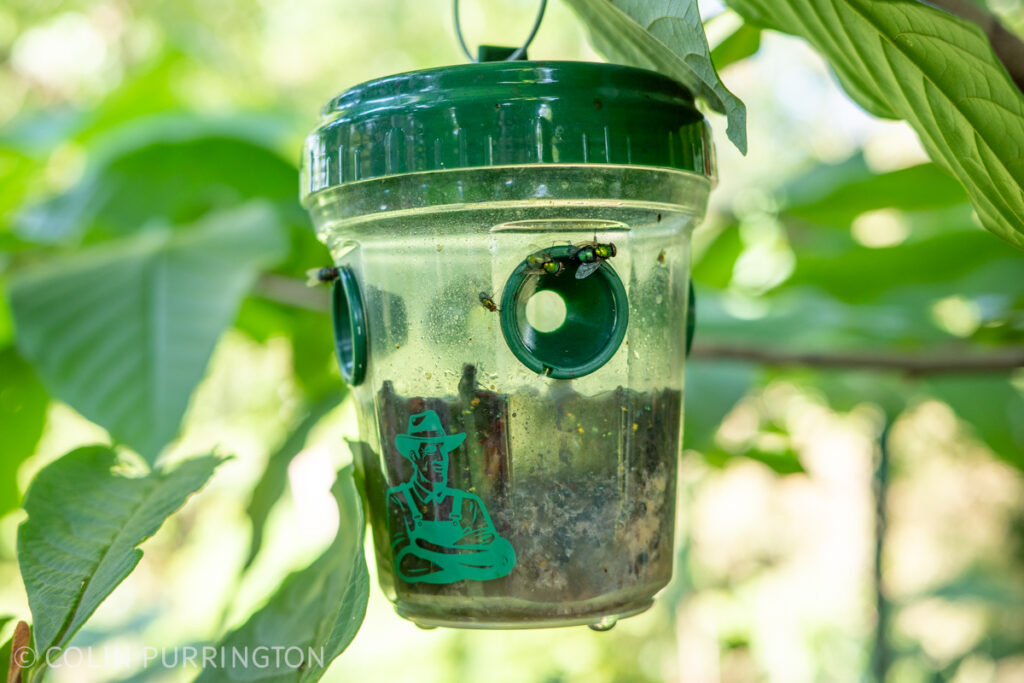
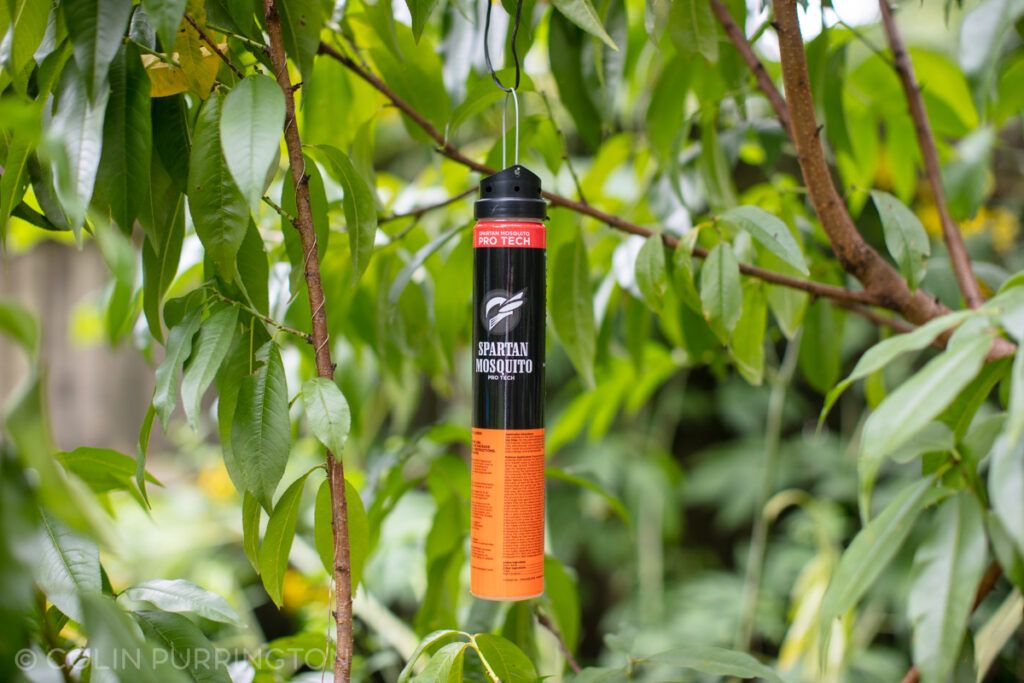
Containers filled with yeast and sugar are really good at attracting and killing fruit flies, ants, and wasps but will not control your mosquitoes. If you want details I’ve reviewed Tougher Than Tom’s Mosquito TNT and the Spartan Mosquito Pro Tech. Scams. Don’t be a sucker.
4. Dynatraps
These don’t appear to work. I’ve tried two different models and even splurged on the optional lure but only succeeded in killing large numbers of moths, beetles, and other innocent insects. If you’re still on the fence read some of the 1-star reviews on Amazon.
5. Citronella candles
Citronella candles, coils, and torches only seem to work if you surround yourself with a lot of them, ideally in a protected area so that wind doesn’t dissipate the smoke. The pleasing smell activates a strong placebo effect in people who are susceptible to gimmicks.
6. Ultrasonic devices and apps
None of these have been found to work (details). The FTC has taken some companies to court.
7. Listerine
Nope.
8. Bounce dryer sheets
Per one study fungus gnats (which don’t bite) were mildly repelled by dryer sheets. I’d wager these sheets might actually be attractive to mosquitoes because some species home-in on perfumes.
9. Wrist bands with natural oils
At best, wrist bands will reduce the number of mosquito bites on your wrist simply because they can’t bite through the plastic. But they will not emit enough volatile compounds to shield the rest of you. NB: currently there are no wristbands that contain DEET or other CDC-approved repellent. Details.
10. Stickers laced with natural oils
Stickers only prevent mosquitoes from biting the flesh directly underneath the sticker. You’d need a lot of stickers for full protection. Note, same conclusion for the stickers that claim to infuse your bloodstream with B1.
11. Garlic
Eating garlic does not deter mosquitoes.
12. Vitamin B1, B6, or B12 pills or patches
Nope, nope, and nope. Details. More details.
13. Mozi-Q pills
Just another scam. Details.
14. Bats and birds
Bats and birds eat mosquitoes under some circumstances (e.g., when they are caged with nothing else) but under most conditions they prefer to eat larger insects. Details.