Tag Archives: disease

Gallery of dead potatoes in silk-lined coffins

In case you never get to visit The Canadian Potato Museum on Prince Edward Island, here are photographs from the excellent exhibit on diseases and pests of potatoes. I’ve included all the accompanying interpretive signs in case you want the gruesome details but it’s really all about the adorable coffins. Poor little spuds. RIP.

Bacterial soft rot is primarily caused by Pectobacterium carotovorum (aka Erwinia carotovora).

Bacterial ring rot is caused by Clavibacter sepedonicus (formerly called Clavibacter michiganensis subsp. sepedonicus). Note that the potato has fallen off its attachment point higher up in the coffin.

Blackleg is caused by Pectobacterium atrosepticum.

Fusarium dry rot is caused by several species of Fusarium, of course. But also by Gibberella pulicaris, which was formerly in the genus, I gather).

Skin spot is caused by the fungus, Polyscytalum pustulans.

Potato wart is caused by the chytrid fungus, Synchytrium endobioticum. Lesions make the potatoes unmarketable, which is bad, but also result in fields being quarantined and potentially never farmed again.

Many types of slugs eat potatoes.

The potato-rot nematode is Ditylenchus destructor. As in several other coffins, the potato seems to have become unglued.

White grubs are the larvae of scarab beetles (Scarabidae) in the genus Phyllophaga (May beetles, June bugs, … and sometimes even July beetles). Fun fact: they crawl on their backs.

Wireworms are the larvae of click beetles (Elateridae).

Potato scab is caused by the potato scab gnat (Pnyxia scabiei), a member of the Sciaridae. Fun fact: the females are wingless (and have no halteres!)

The flea beetle most associated with potato is Epitrix cucumeris.

The most common millipede in potato fields is the spotted snake millipede (Blaniulus guttulatus).

Blackheart is not a disease but rather a physiological response to low oxygen during growth or storage. High temperatures during transport and storage are the main culprits. Blossom-end rot is caused by the same conditions.

In case you are curious, the coffins were designed by Meredith and Tom Hughes for the “The Amazing Potato” exhibit (1991-1994) at Canada’s Museum of Science and Technology in Ottawa. There are, apparently, undisplayed coffins because the O’Leary building was too small to house them all.


But you should definitely visit. You can pose in front of the 14-foot potato out front, stroll through the world’s largest exhibit of potato-related farm machinery, shop for trinkets such as squishy stress potatoes, and dine in the Potato Country Kitchen (don’t skip the seaweed pie made with Chondrus crispus, a red alga; it’s a recipe from Ireland). It’s open from May 12 to October 10.

Eliminate mosquitoes by eliminating stagnant water

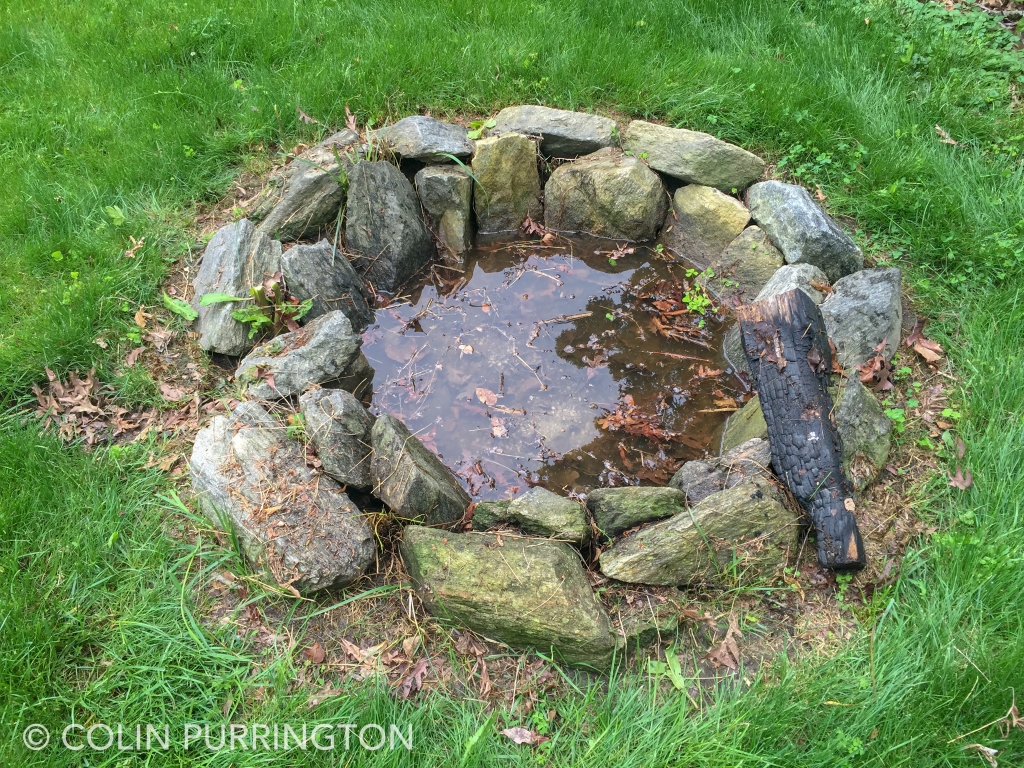
The most effective, cheapest way to control mosquitoes is to eliminate the standing water that larvae need to develop. A dry yard doesn’t have mosquitoes. It’s really that simple. Below is a list of objects to get rid of or dump regularly. Please share with your neighbors.

1. Gutters

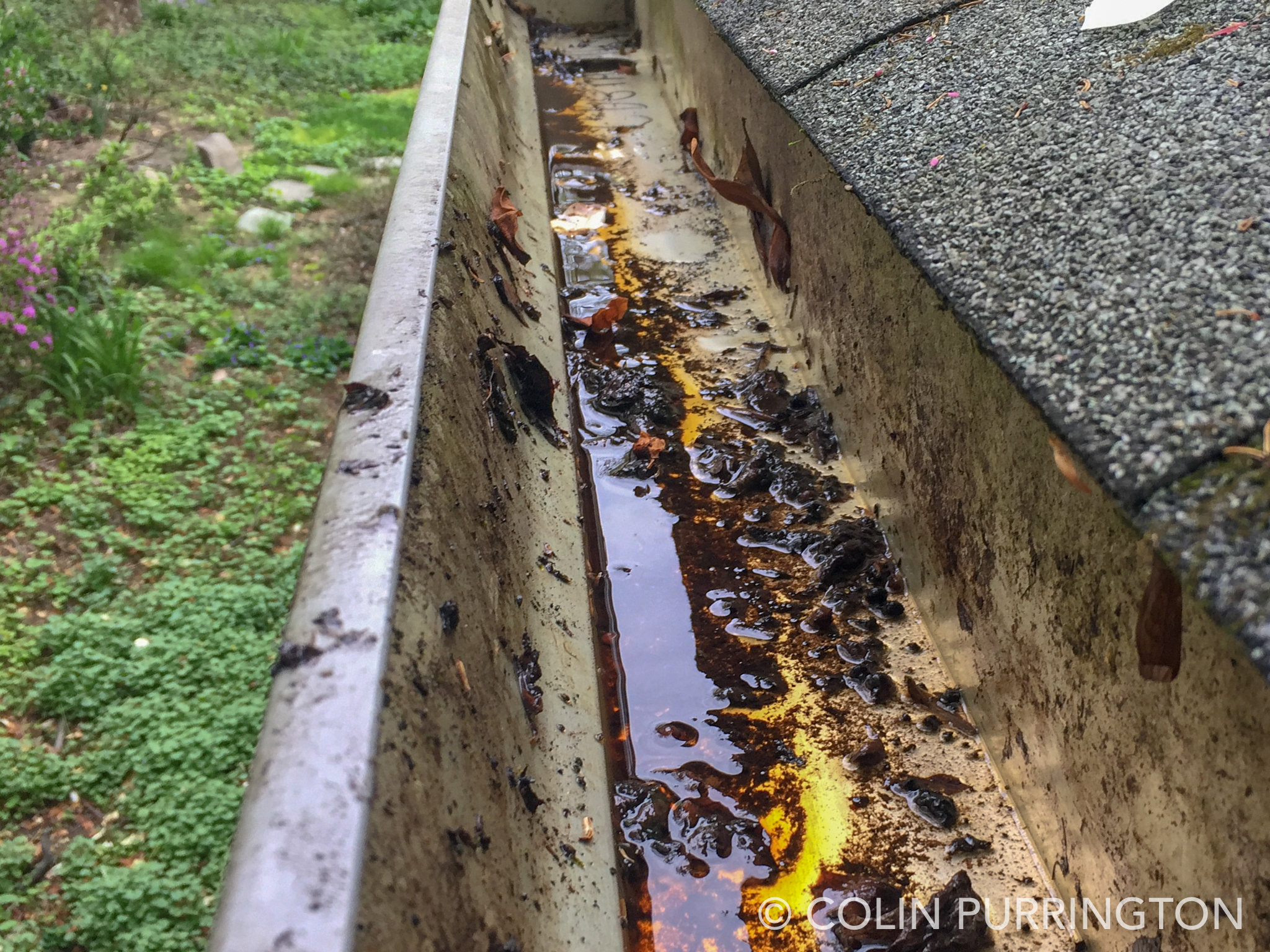
This is at the top of the list because almost all houses have gutters and almost all homeowners hate to clean them out. Check for blocked gutters weekly if you have a lot of trees nearby. If gutter status is hard to see, buy a drone to facilitate inspections. If you can’t afford a drone just get an extra-long, telescoping selfie stick for your smartphone.

2. Flexible downspout extenders

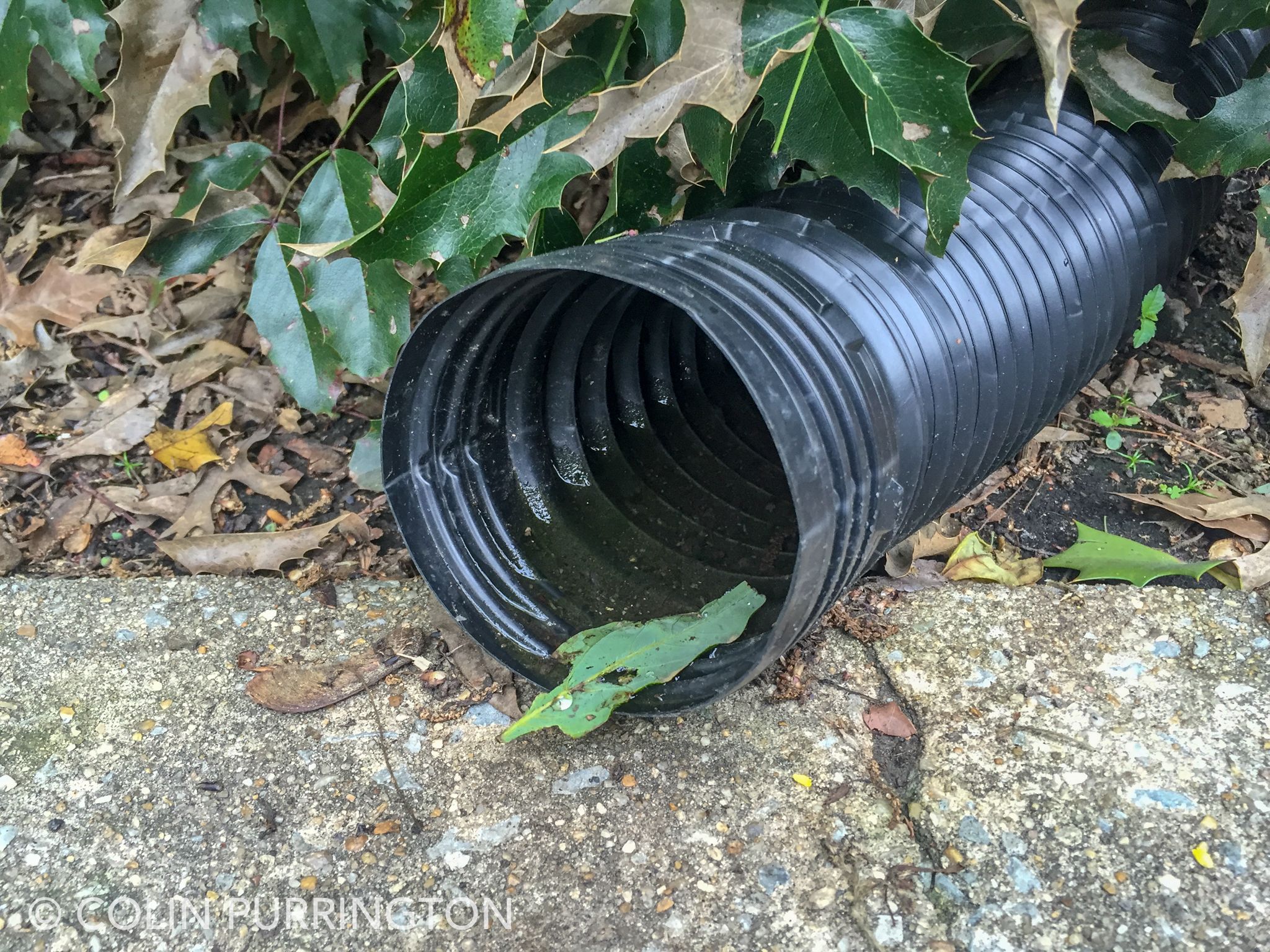
Flexible downspout extenders are perfect for mosquito larvae — the ridges hold water and the black absorbs heat from sunlight (thus speeding development). They are especially bad if nestled in shrubs and ground cover. Note that they hold water even if they are sloped downward. Get rid of them. All of them.

3. Tarps

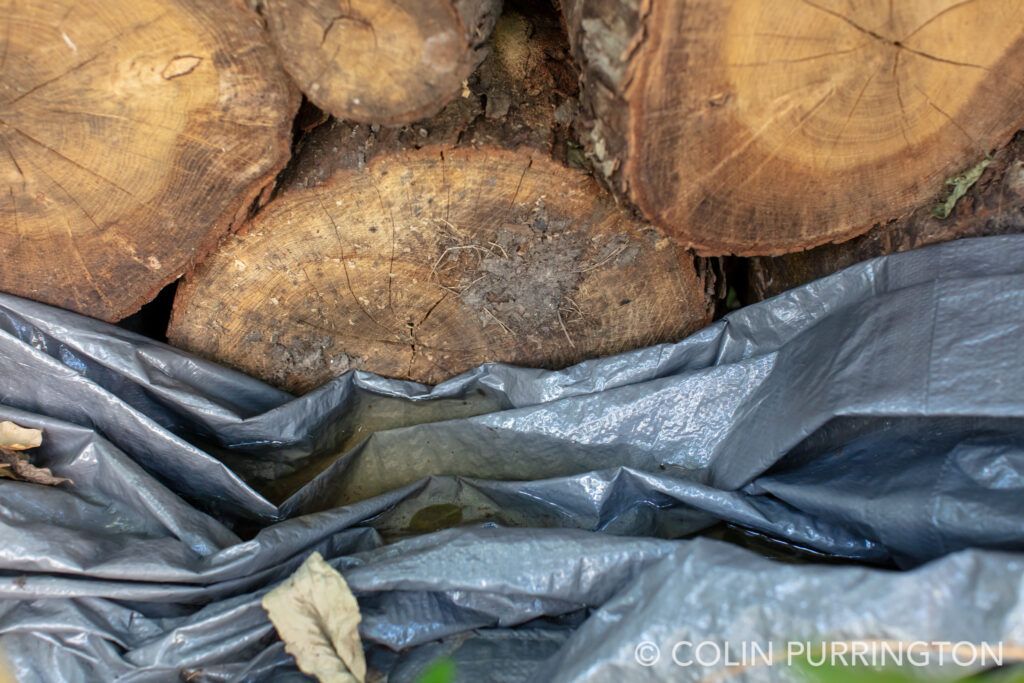
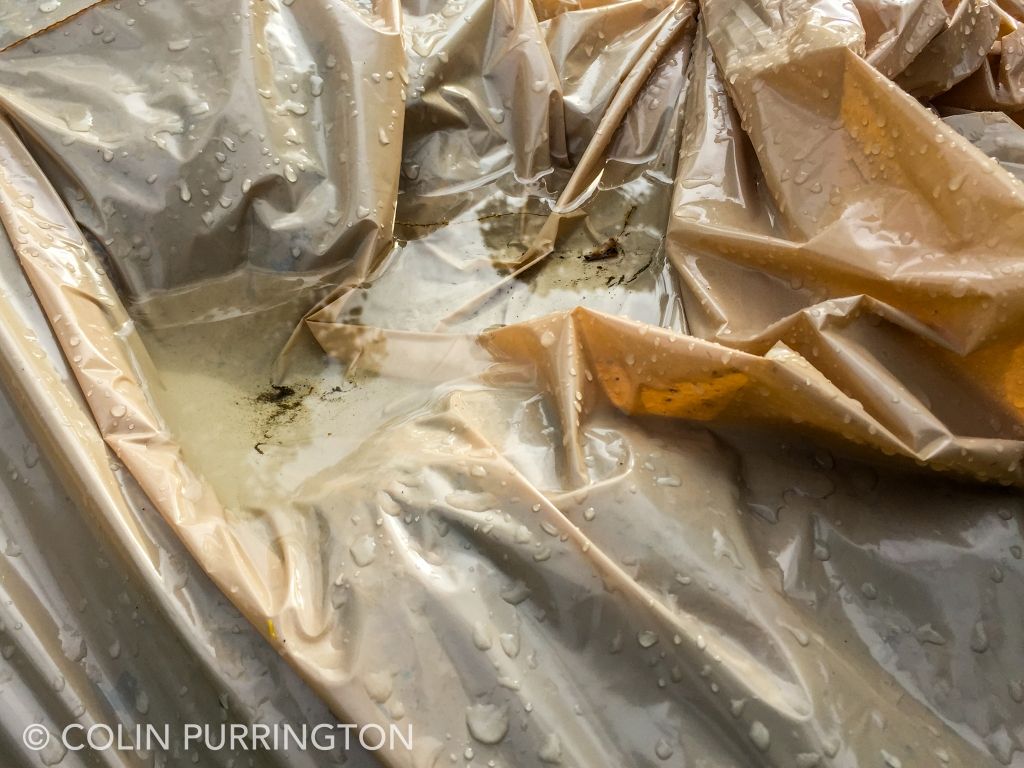
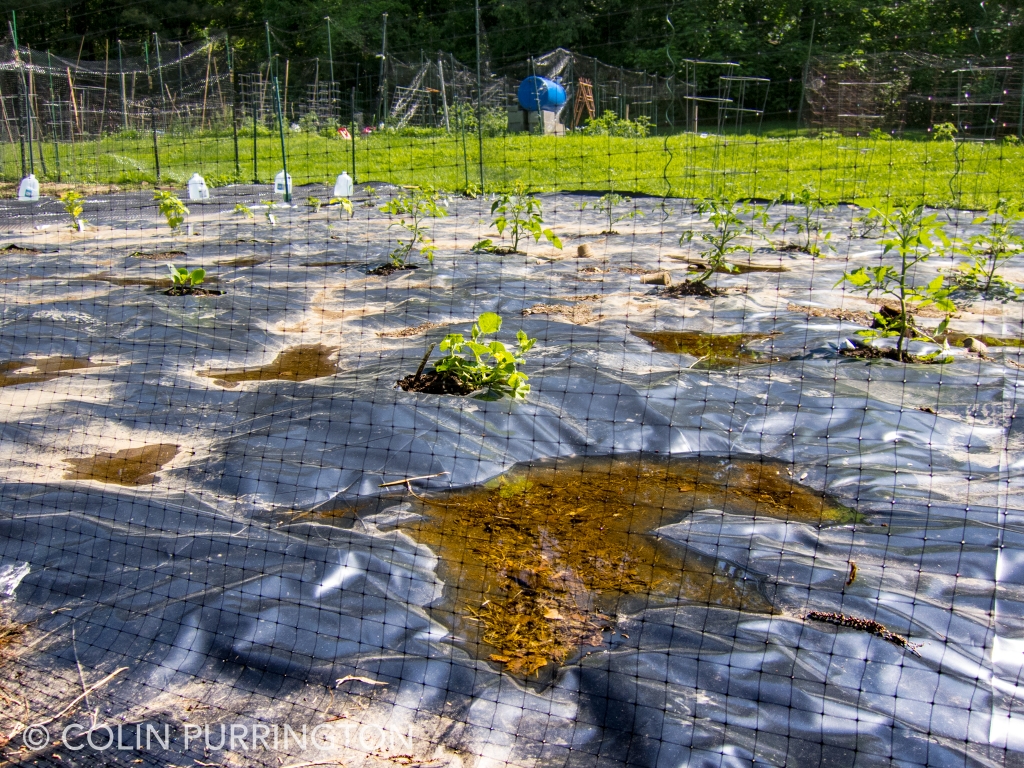
If you leave a tarp in your yard, you’ve created lots of nooks in which water and debris will accumulate. I frequently see tarps covering soggy logs that owners seem to have no real intention of ever splitting into firewood. I think people view tarps as cloaks of invisibility, magically hiding loathsome to-do items from spouse.

4. Toys

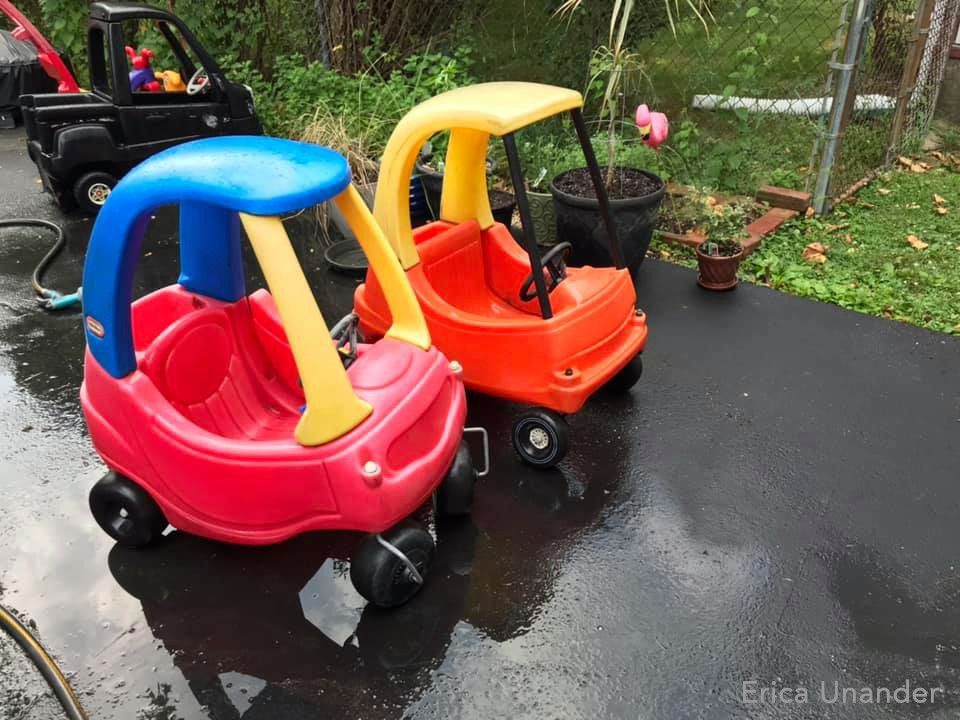
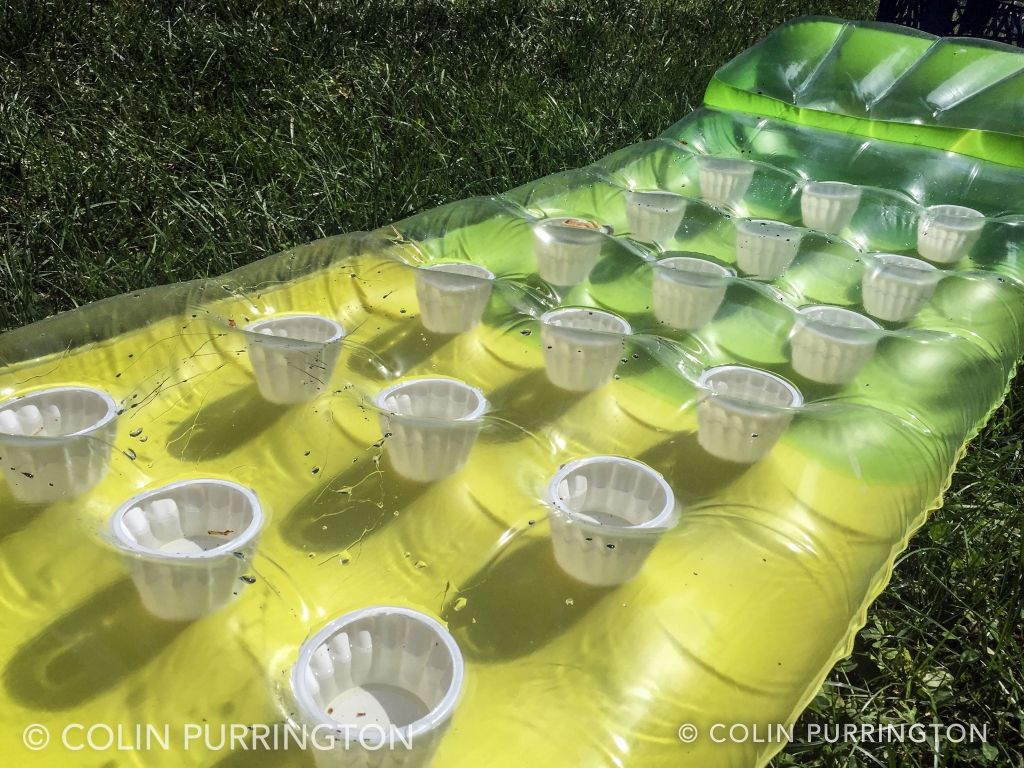
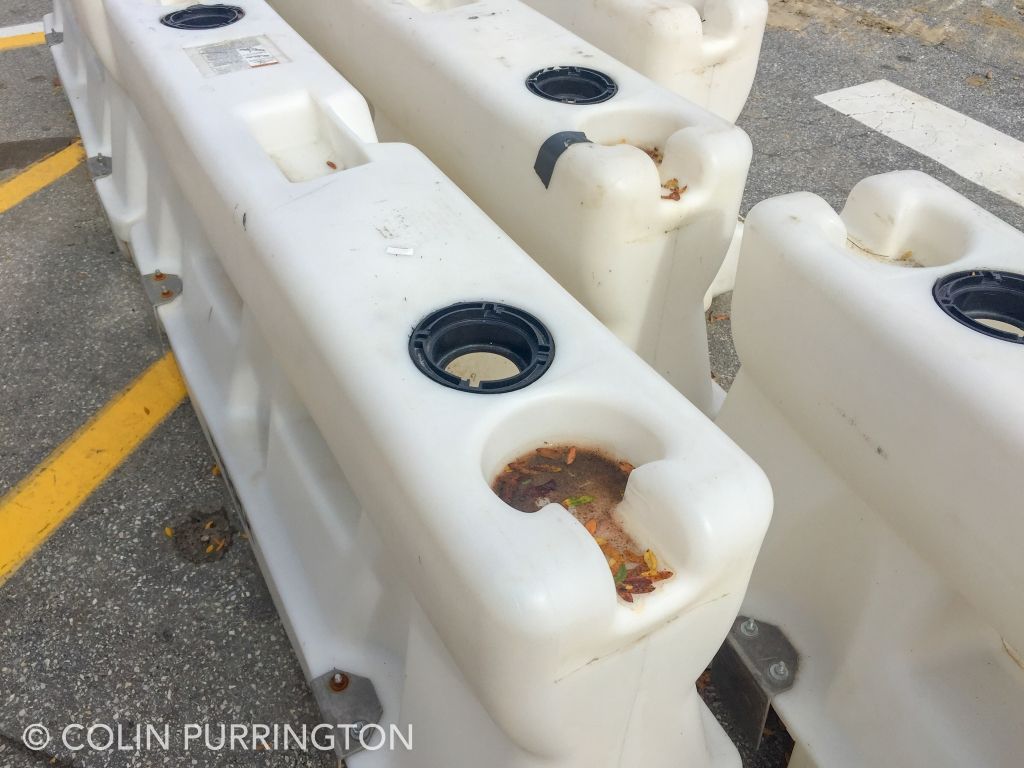
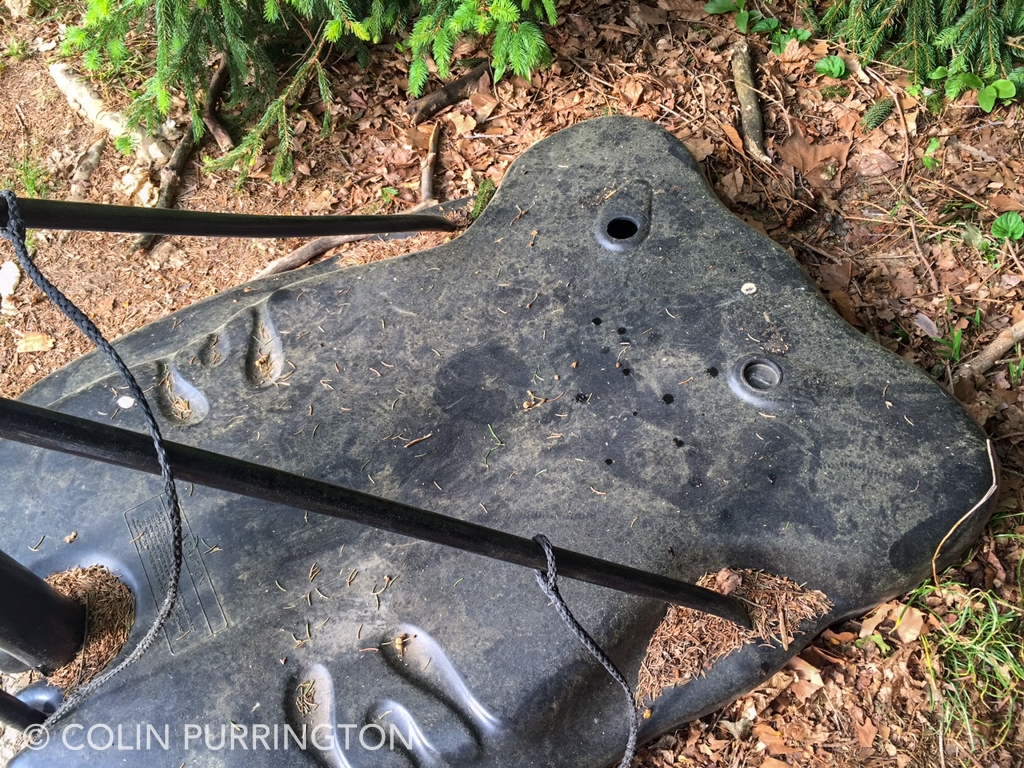
Sandbox toys, sleds, wagons, and kiddie pools seem as if they were specifically designed to encourage mosquitoes. I.e., even when stored upside down they have nooks that collect enough rainwater to allow mosquito larvae to mature. Store them in the garage. If you think covering them with a tarp will work, please see #3.

5. Bird baths

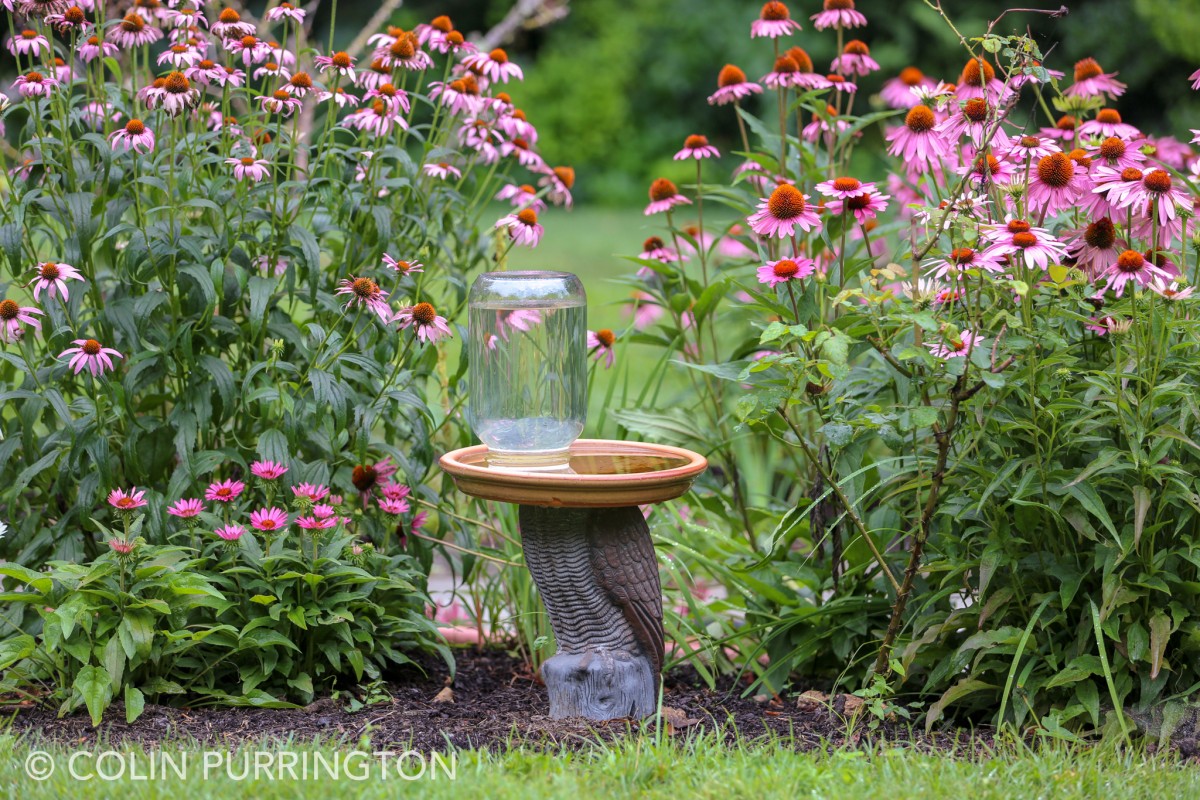
Everyone should have a bird bath. But if you do, you need to either have a water bubbler/agitator (mosquitoes hate that) or you need to kill the larvae by adding granules of Bacillus thuringiensis var israelensis (abbreviated, Bti). Bti is extremely effective: you can add it a container that has thousands wriggling of larvae (see movie) and they will all be dead within hours. Just add it every two weeks and your bath will always be mosquito free. But don’t forget — make yourself a smartphone reminder or write on paper calendar.

Bird bath next to purple coneflowers

6. Trash and recycling bins

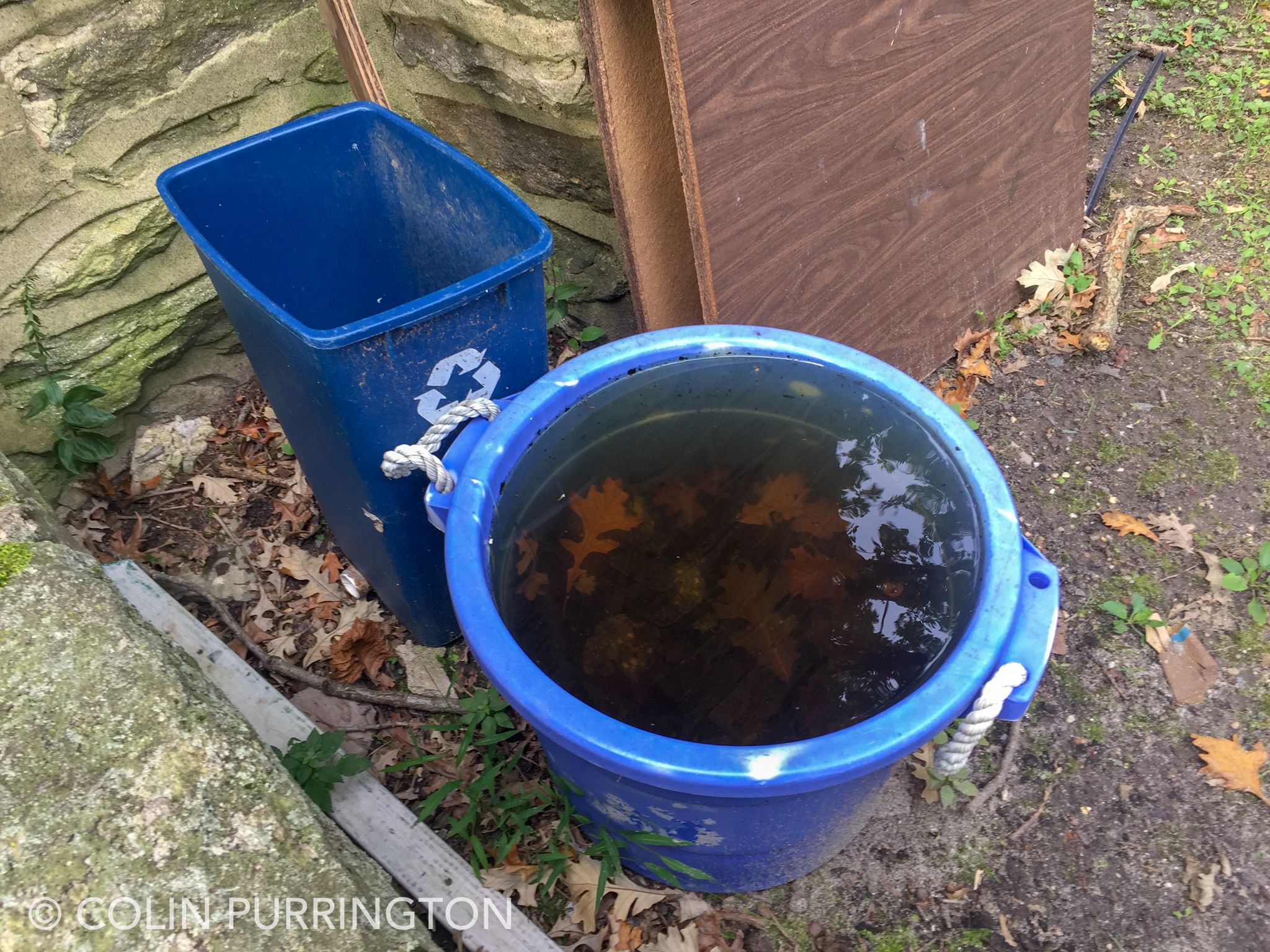
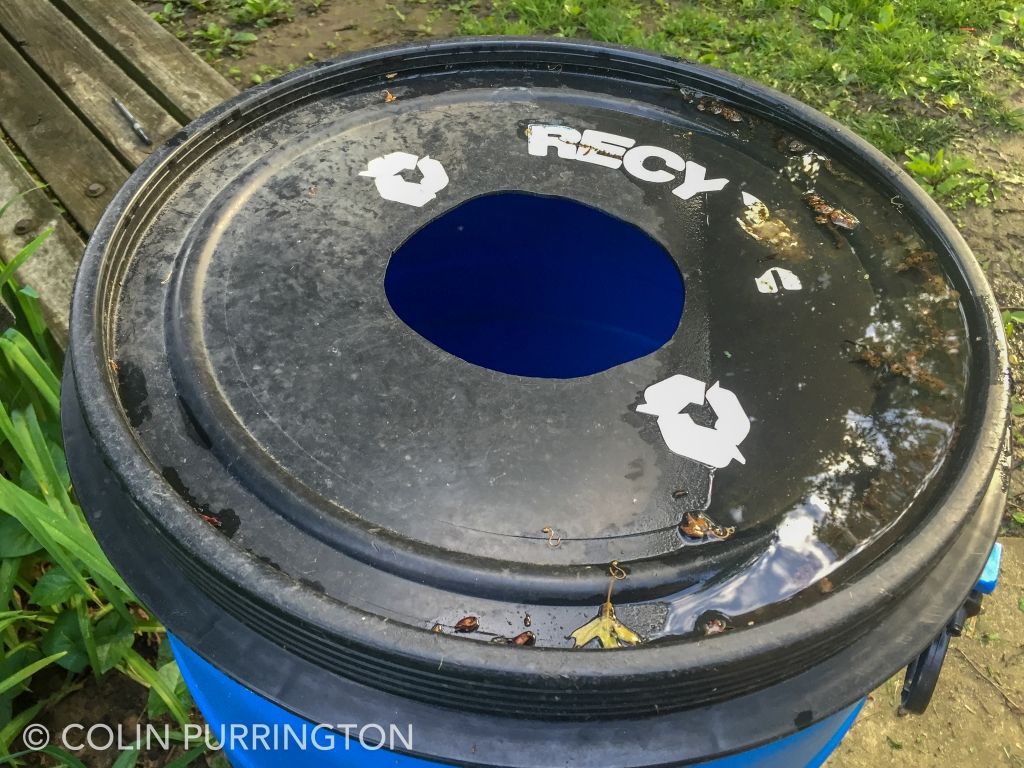
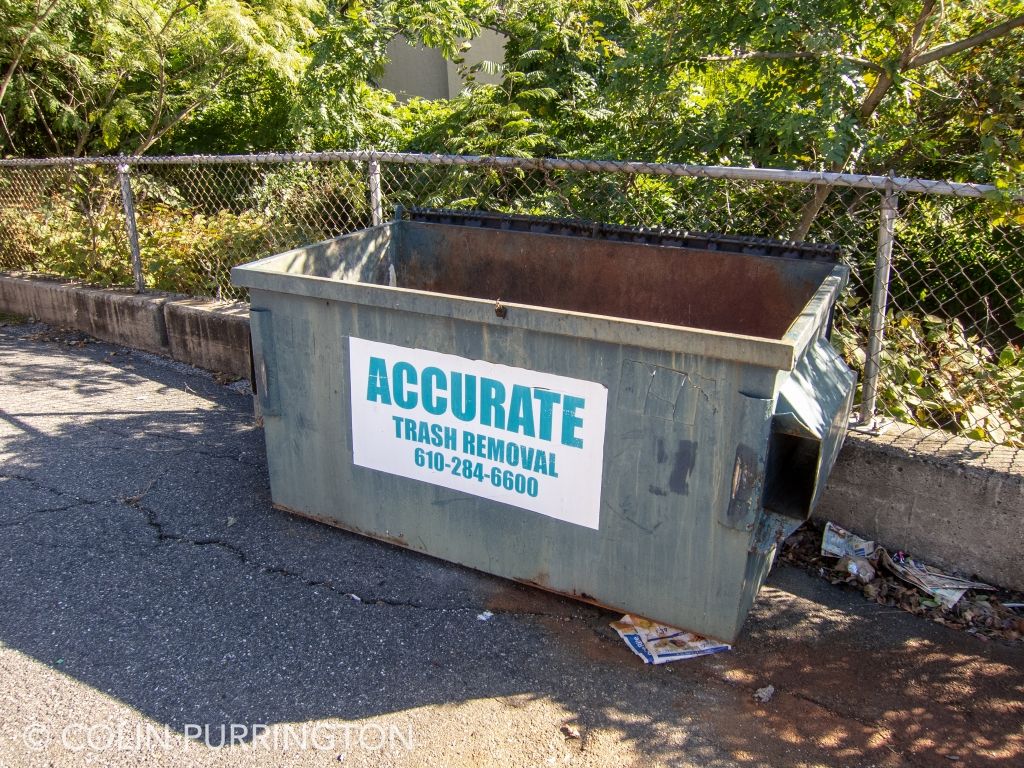
If you can’t store your trash and recycling containers under a roofed area, keep a lid on them. I found the ones below behind a local church. Tens of thousands of larvae within.

Recycling bins with stagnant water

7. Watering cans

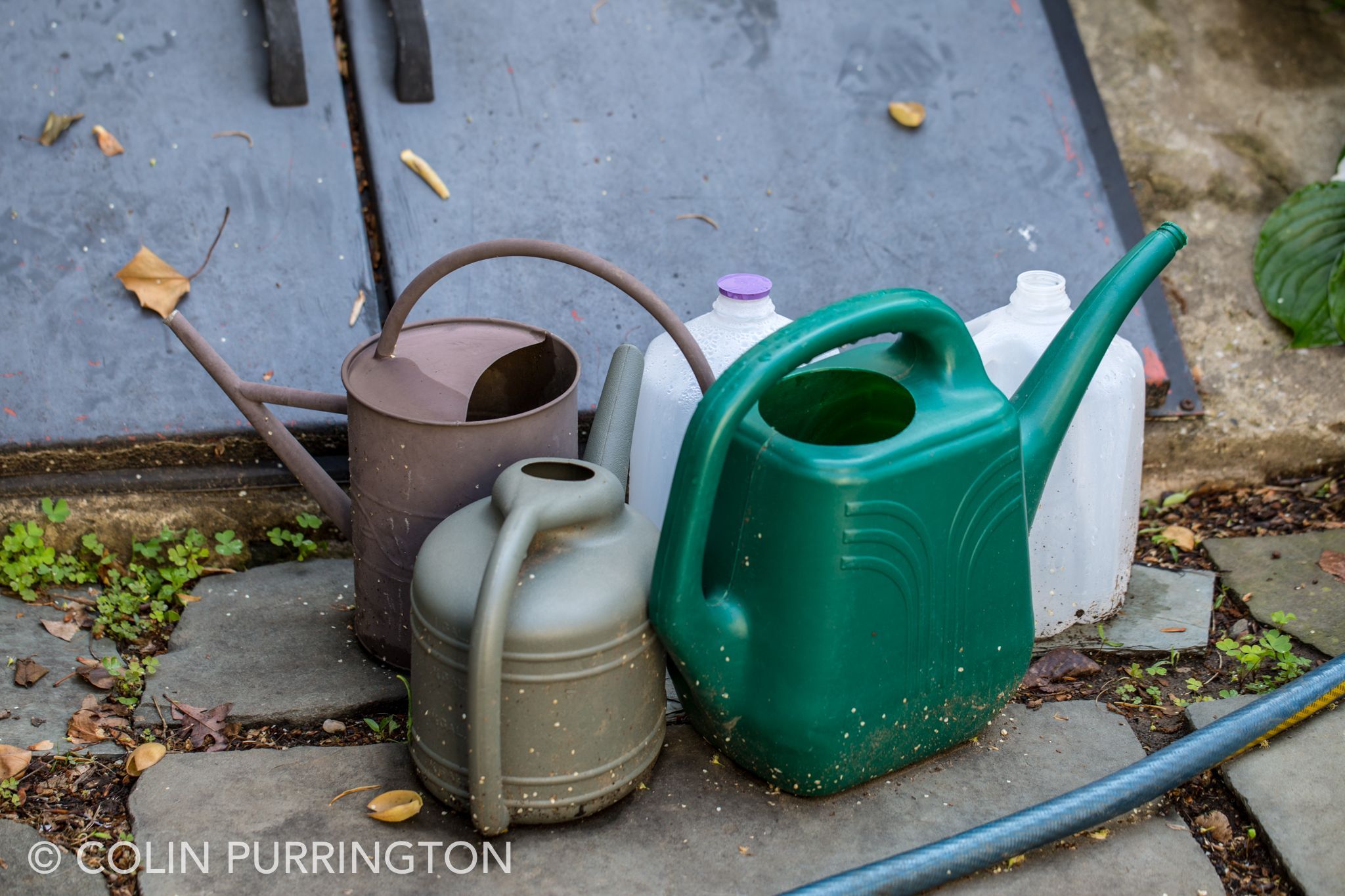
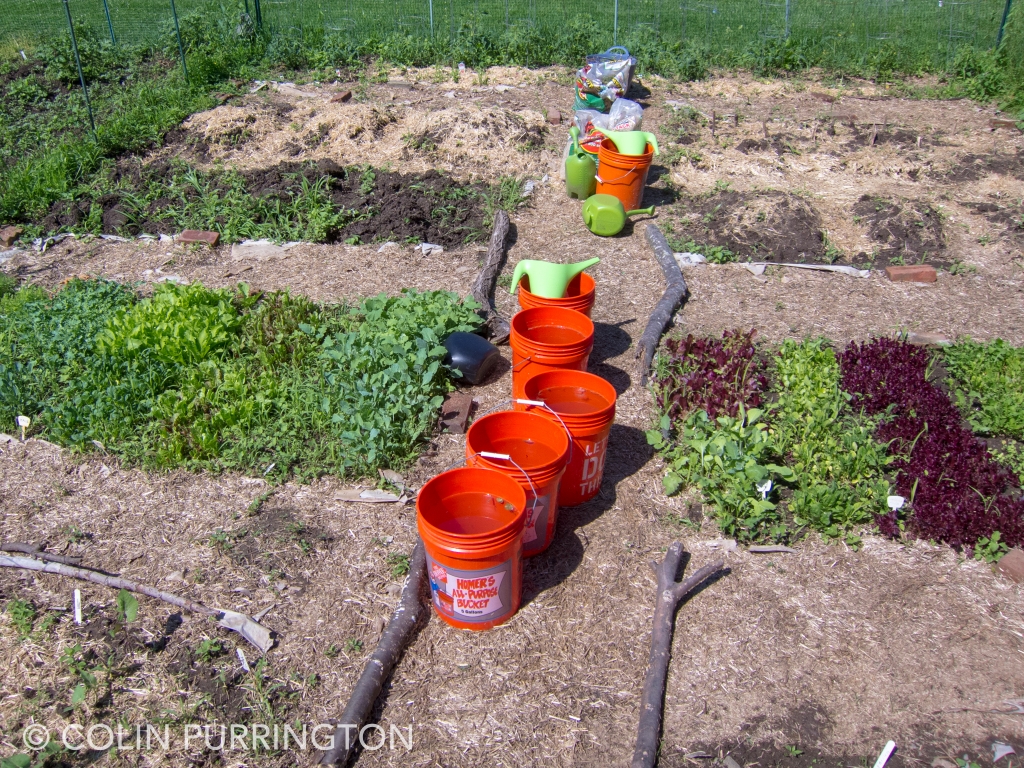
Watering cans are rarely transparent so you can’t see the mosquito larvae inside, but they are present if you leave them around the yard when it’s been raining a lot. Store them empty, in garage.

8. Wheelbarrows

Just keep them propped up vertically so they don’t accumulate rain water. Or drill holes.

9. Rain barrels

Just put screening over the top. Or add Bti every other week. I don’t recommend adding mosquito-eating fish because they die when water level gets low (plus the fish suffer before dying).

10. Pot saucers

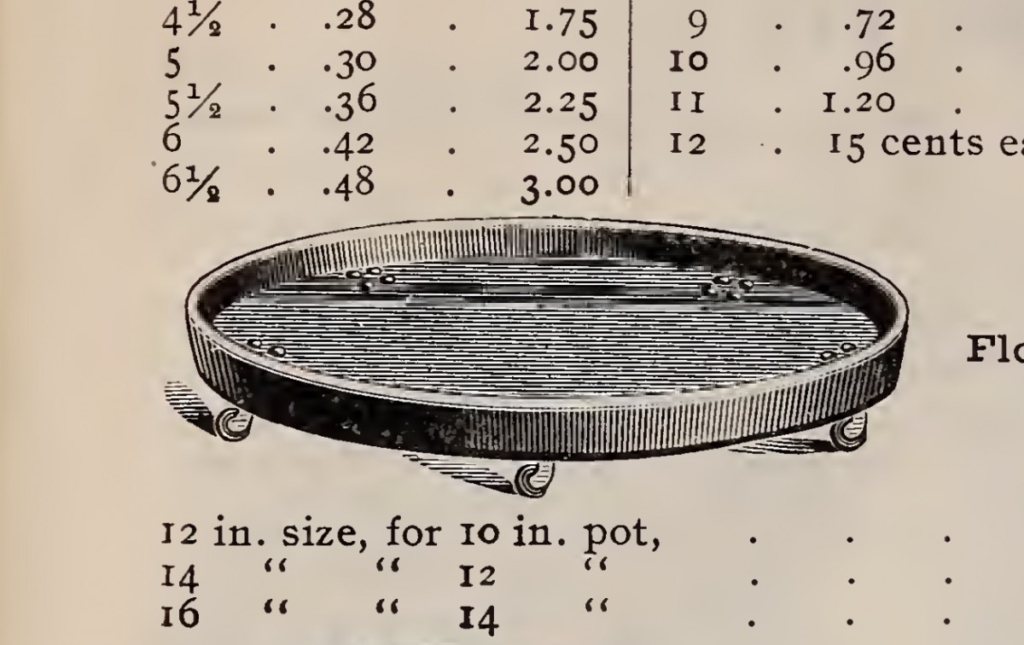
Pot saucers are unneeded outside so it’s easy to eliminate them. If you like them for decorative reasons you’ll need to add Bti regularly. It’s better to just get rid of them because you’ll eventually forget. You know you will.

Other places where mosquitoes larvae thrive

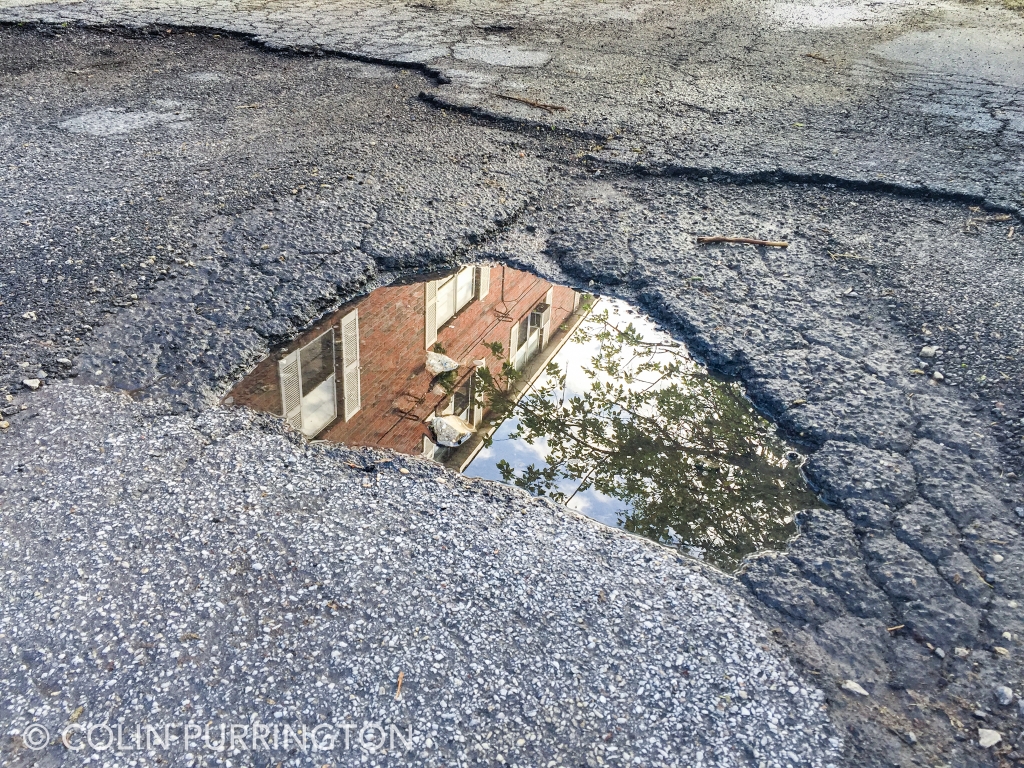
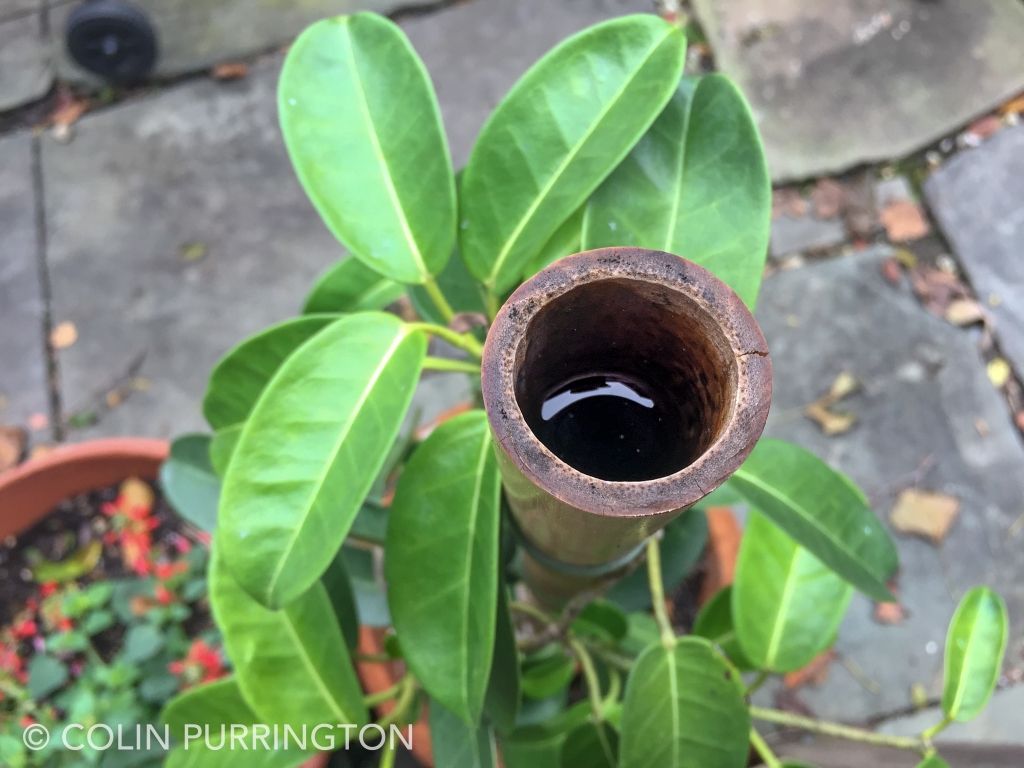
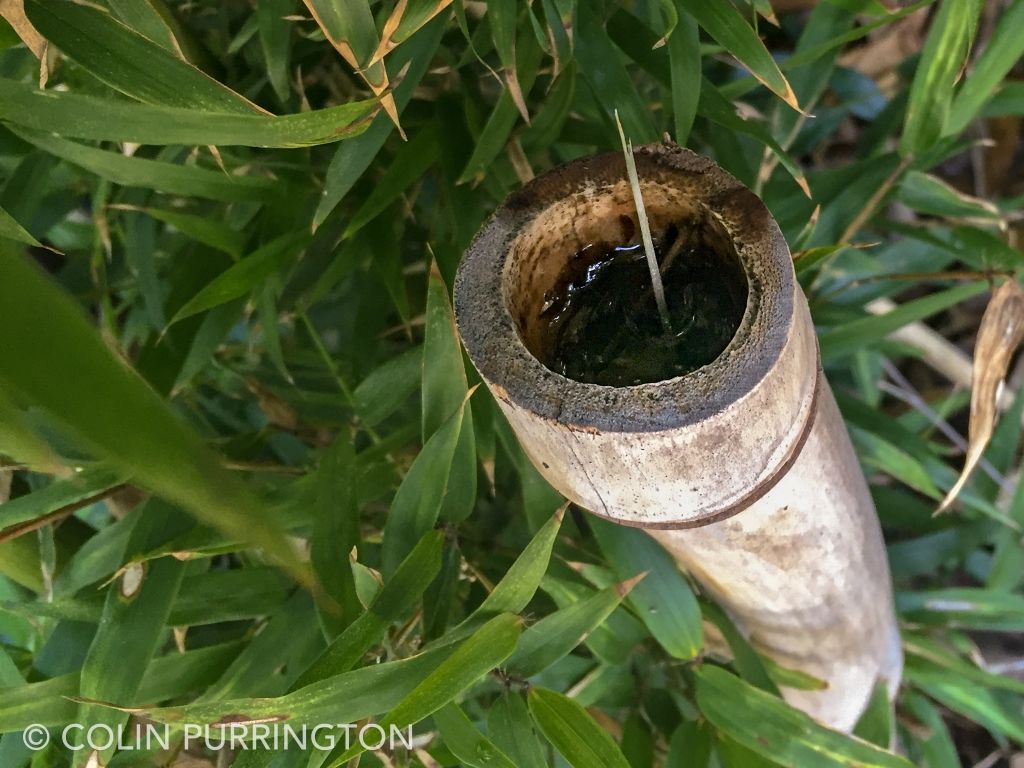
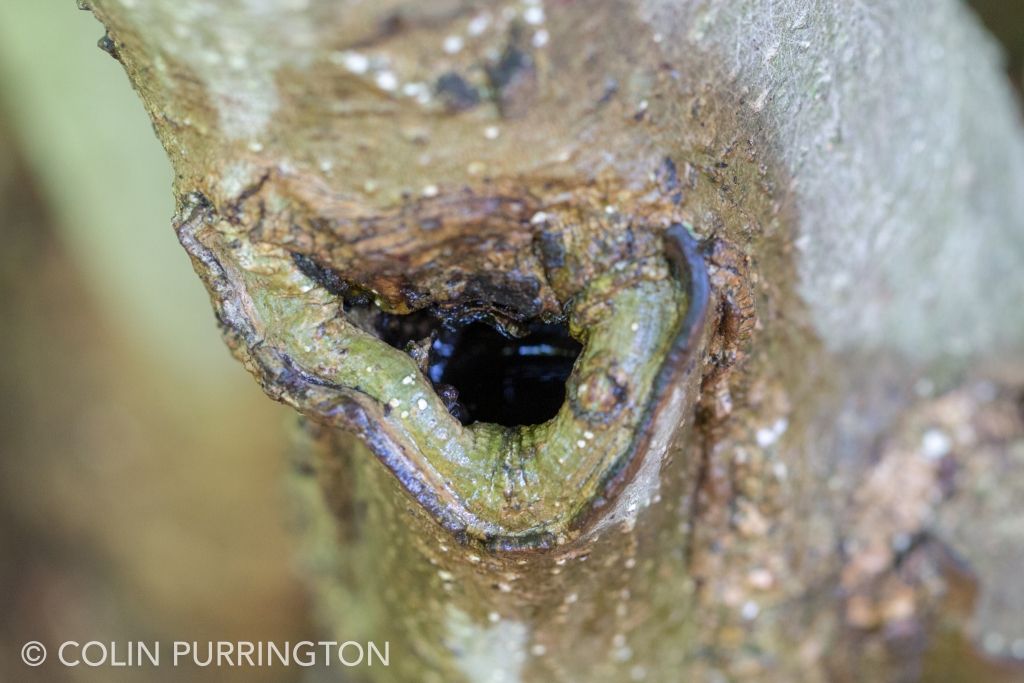
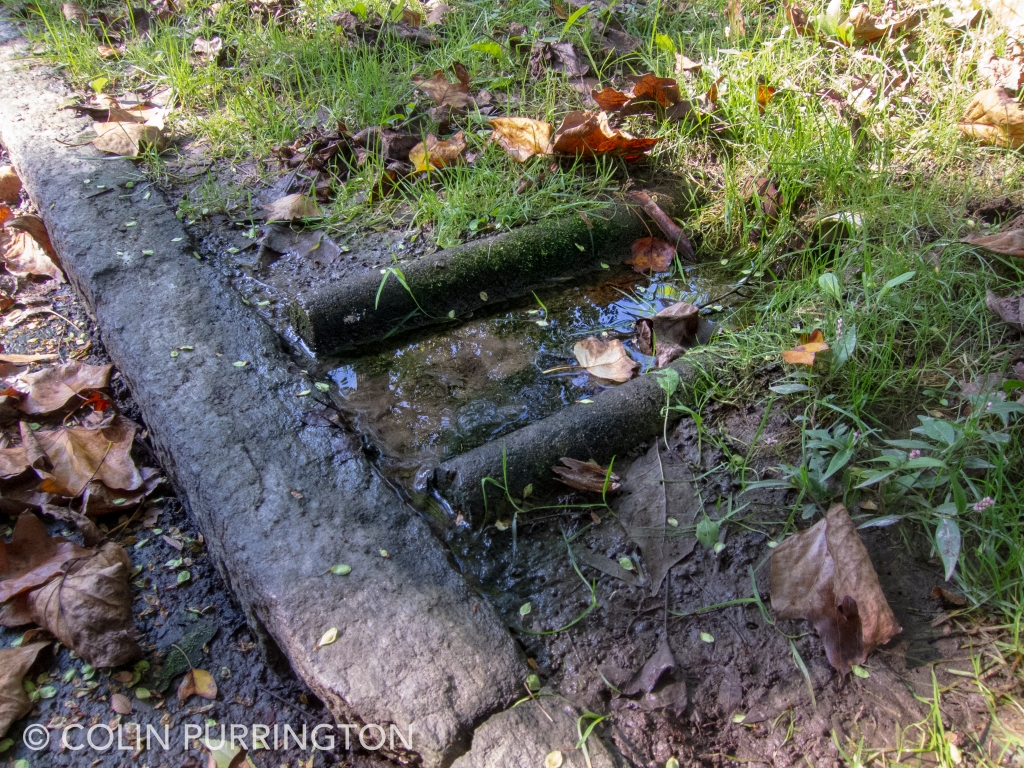
Other objects of concern are: pool covers, pot saucers, grill covers, plastic kid toys, tires, unattached hoses, empty glazed pots, shovels, construction materials, garbage cans, garbage can lids, containers in recycling bins, bottle caps, cemetery vases, decorative shells, empty coconuts, papaya tree stumps, downspout troughs, spigot drips, ollas, pickup truck beds, window wells, septic tanks, uncapped metal fence posts, animal tracks. Mosquitoes will also lay eggs inside in toilet bowls, animal water dishes, and French drains.