Tag Archives: pennsylvania

Blacklighting for moths at Hildacy Preserve

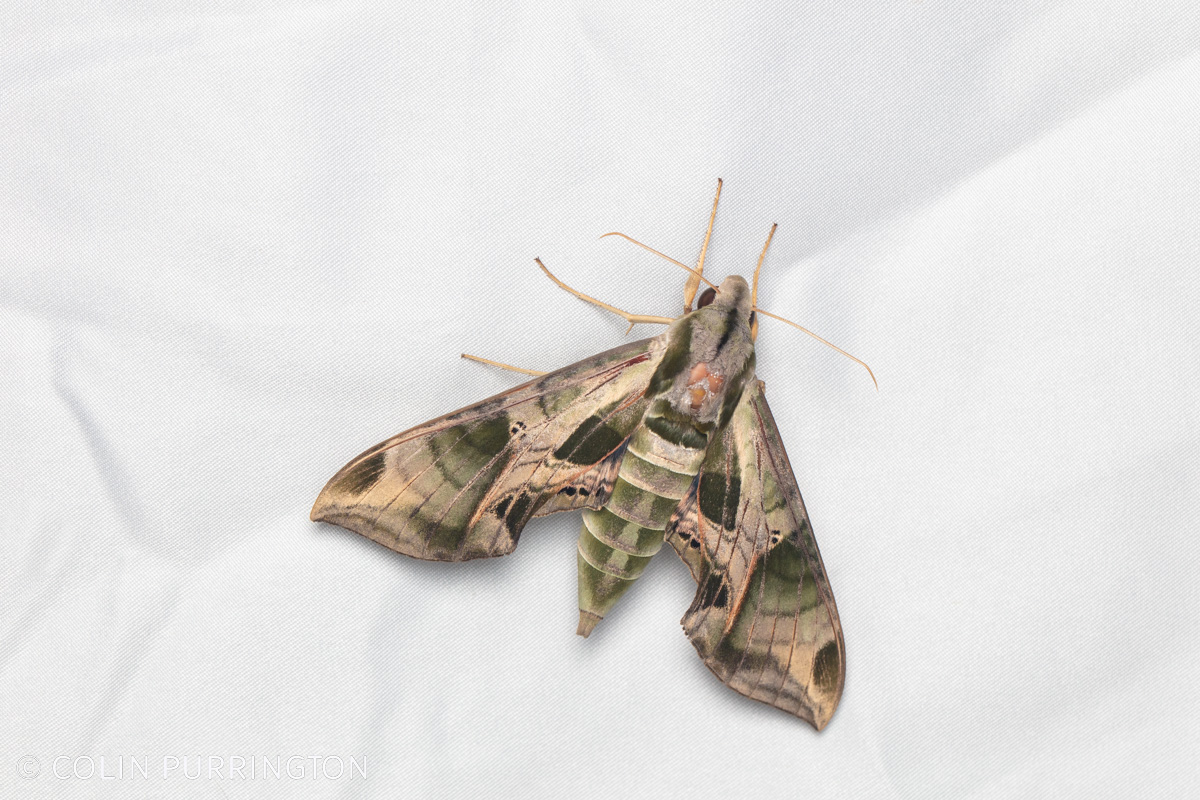
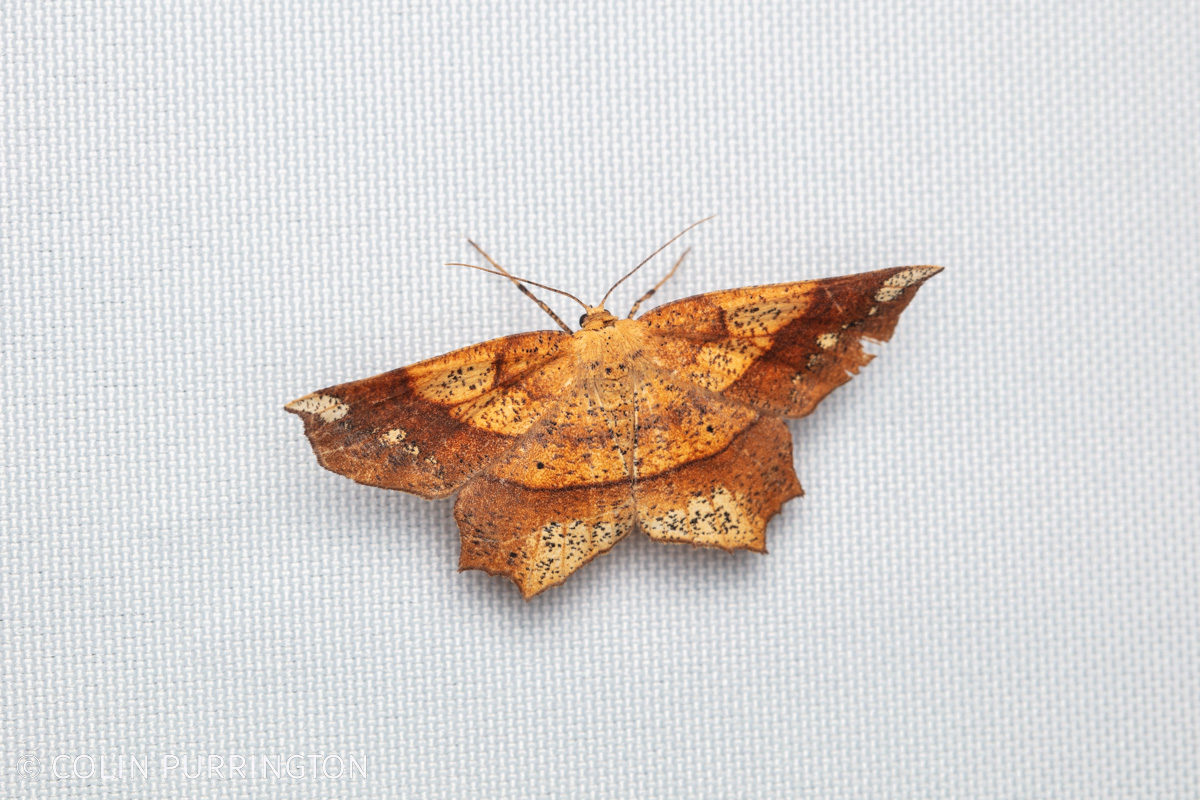
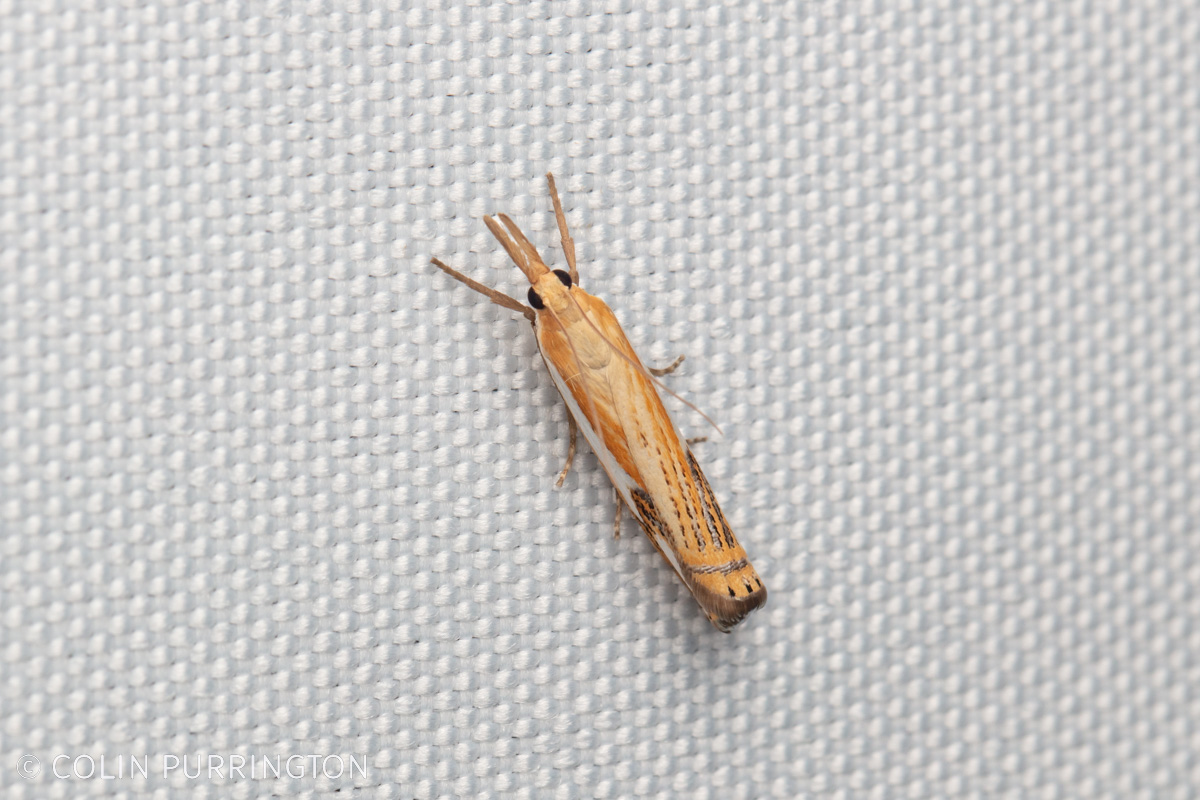
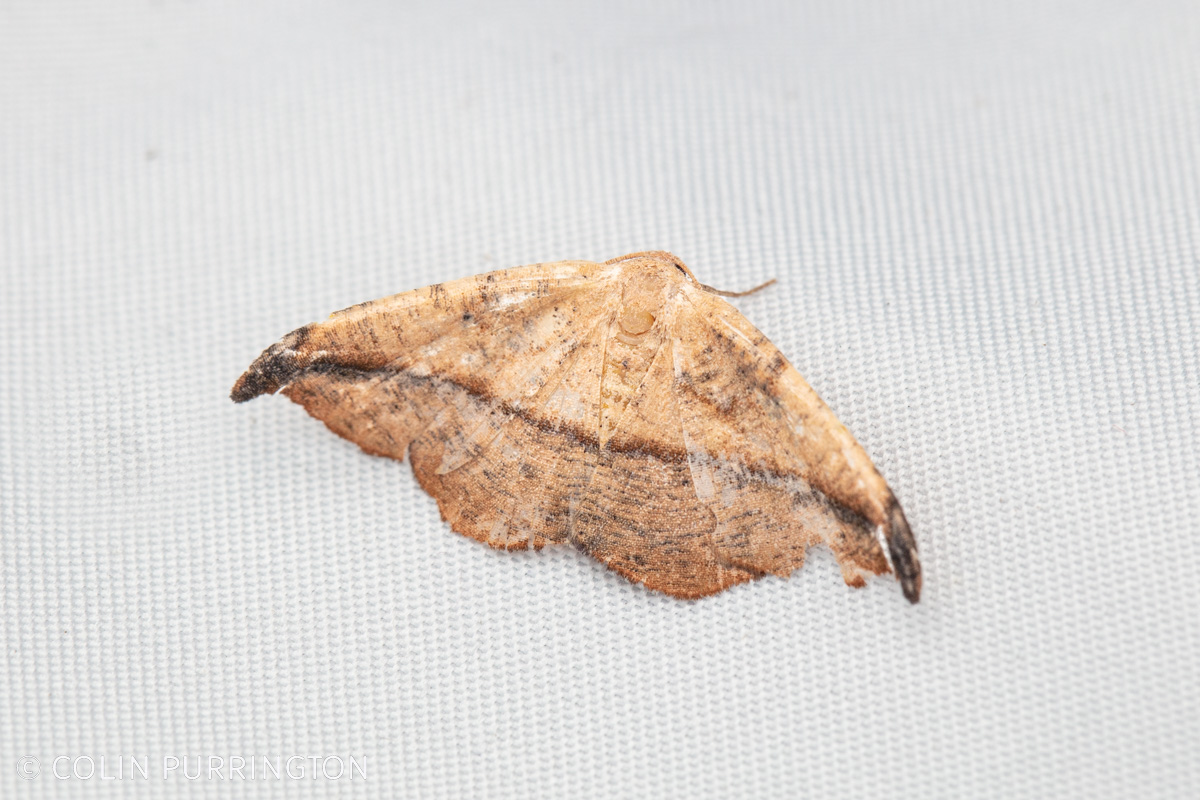
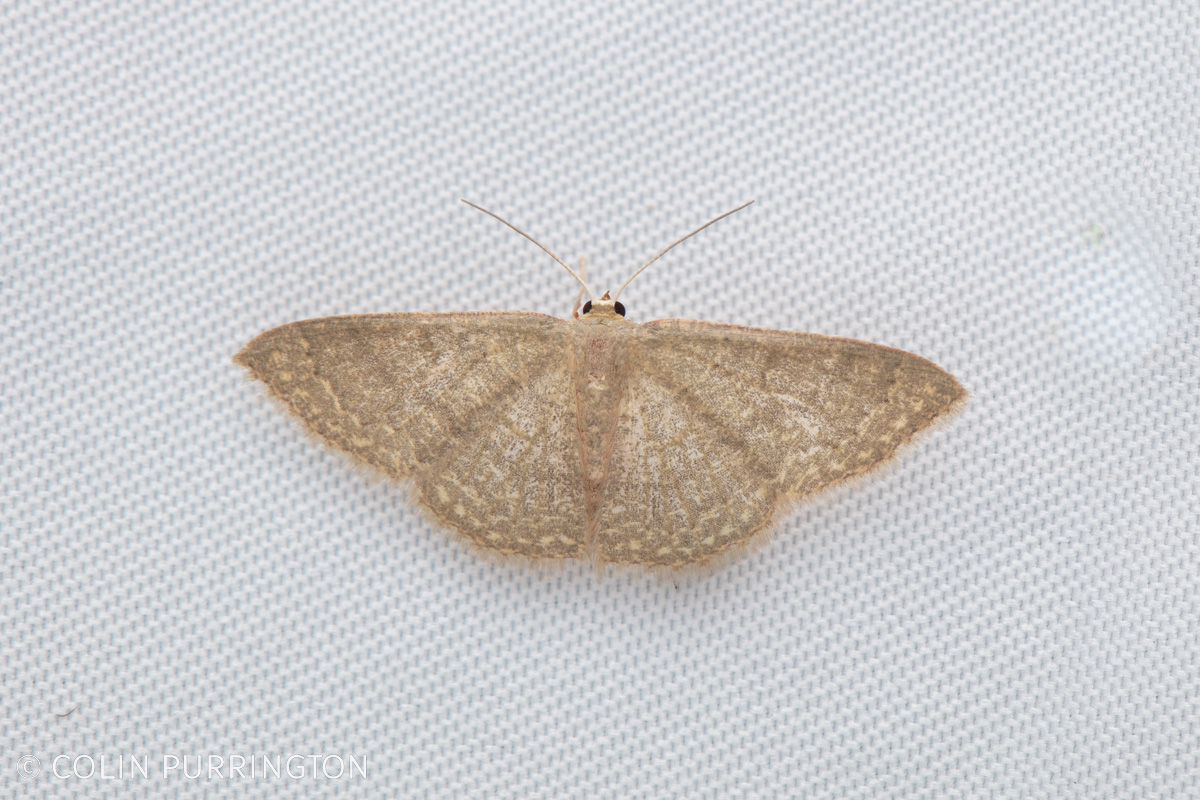
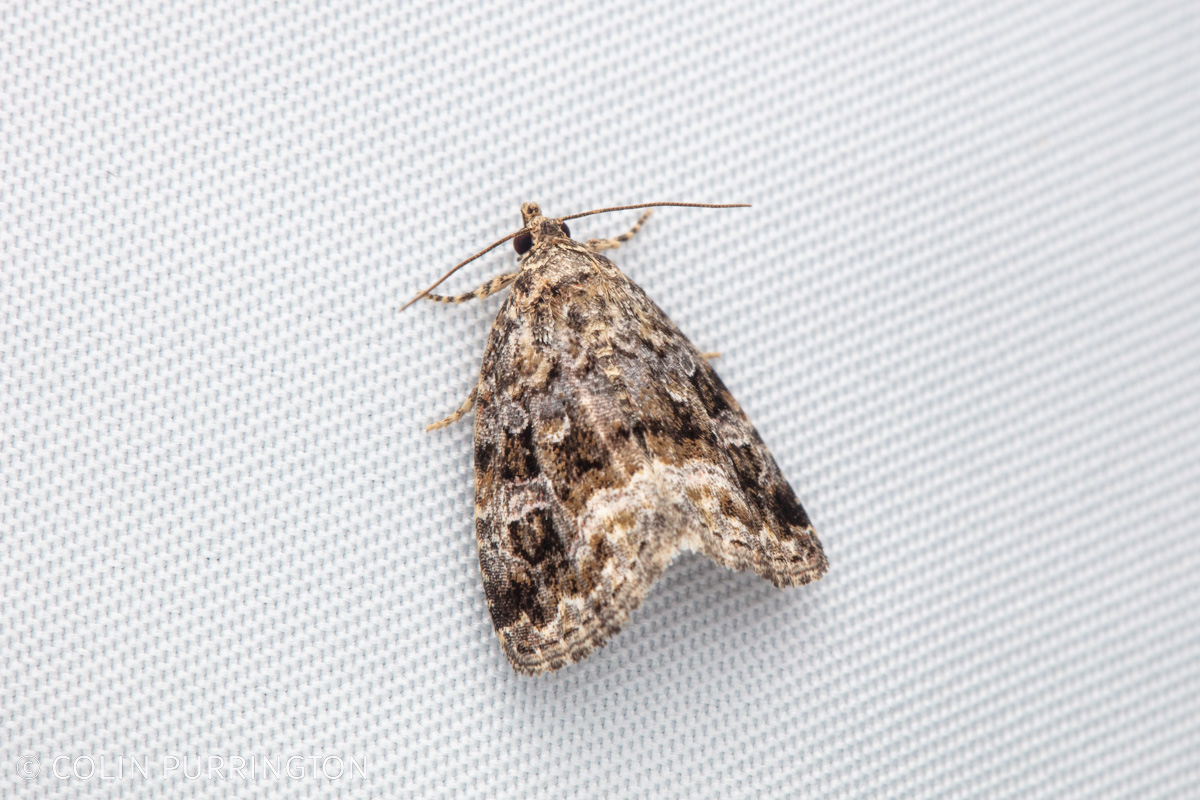
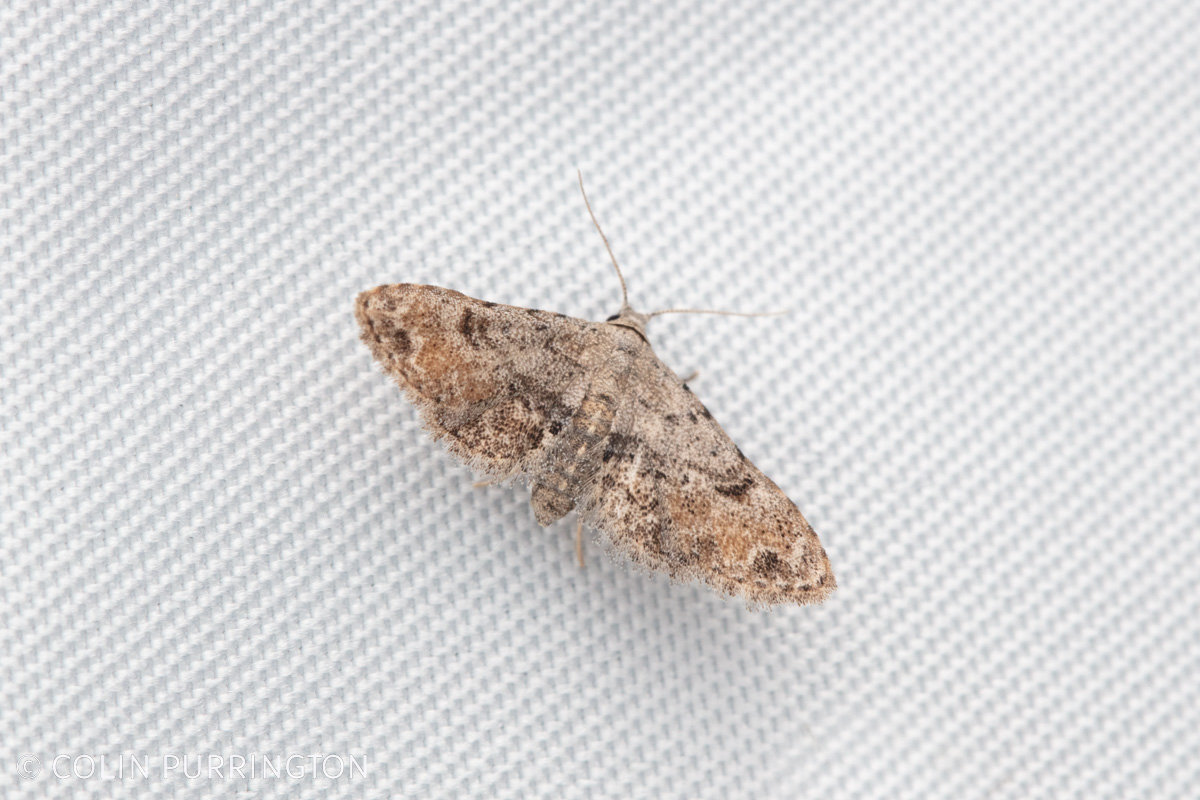
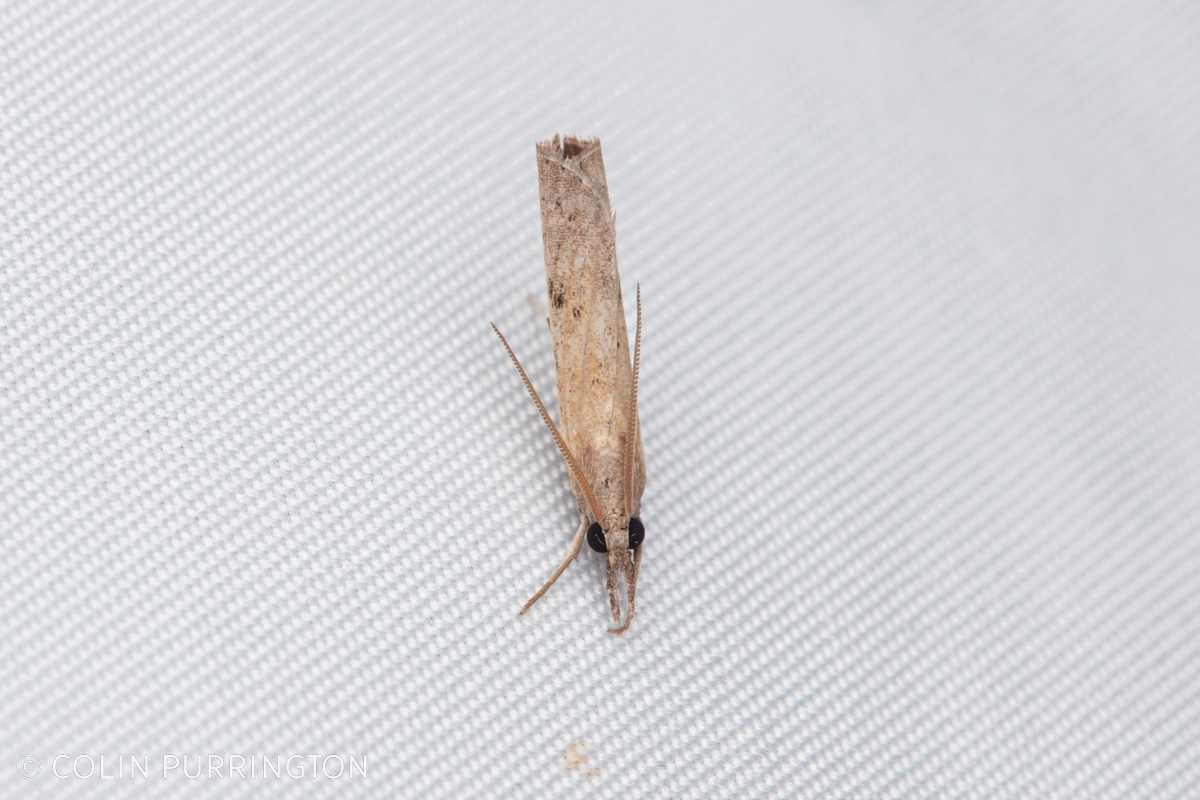
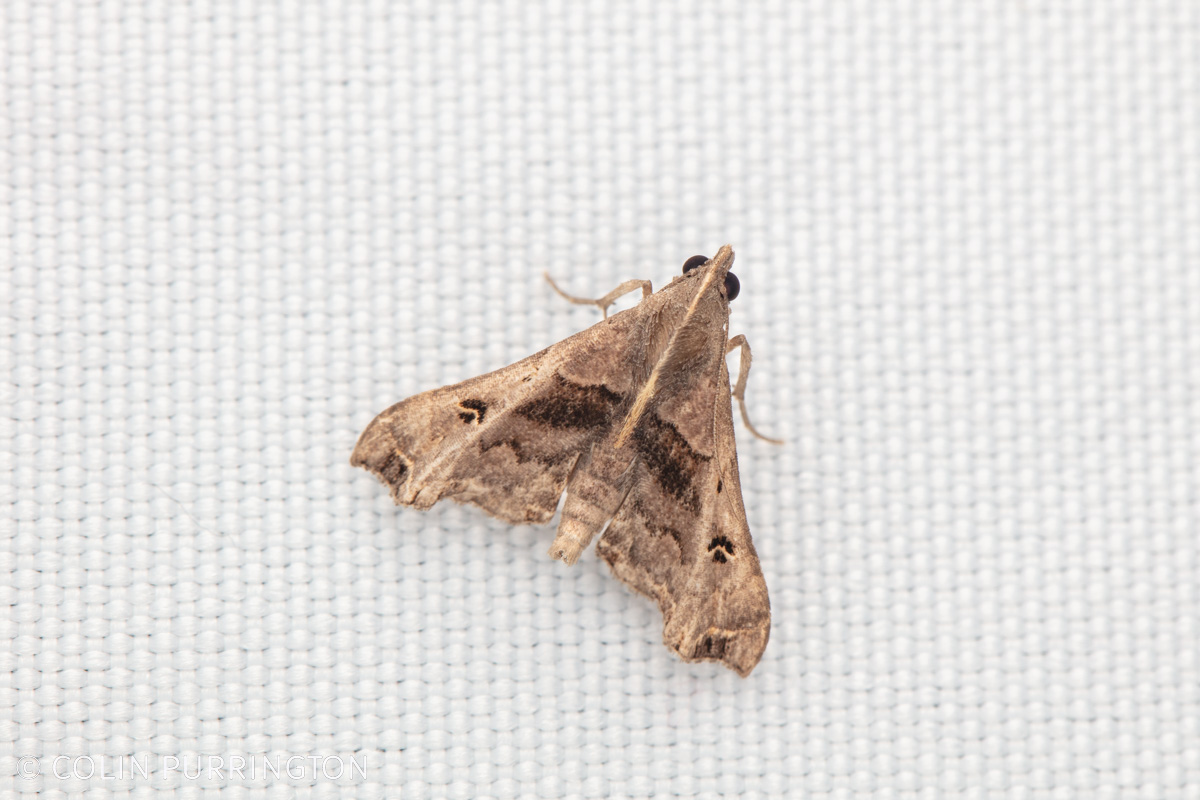
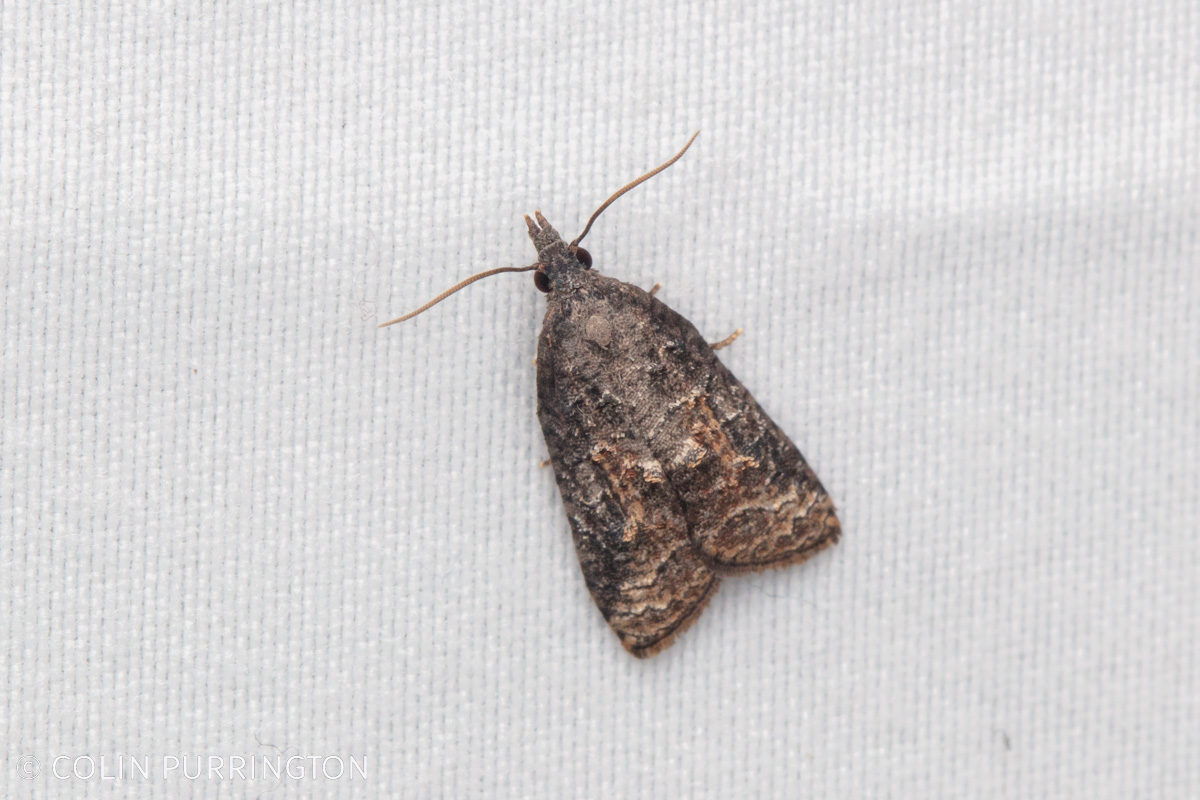
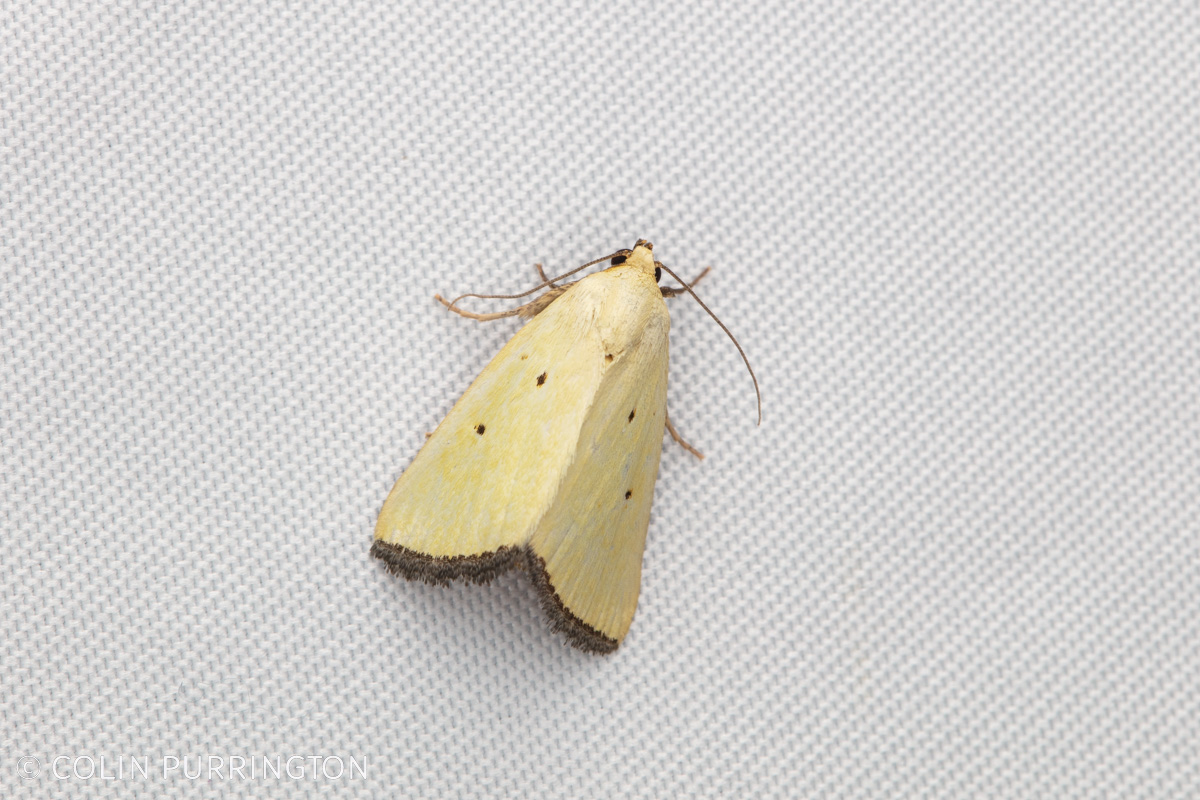
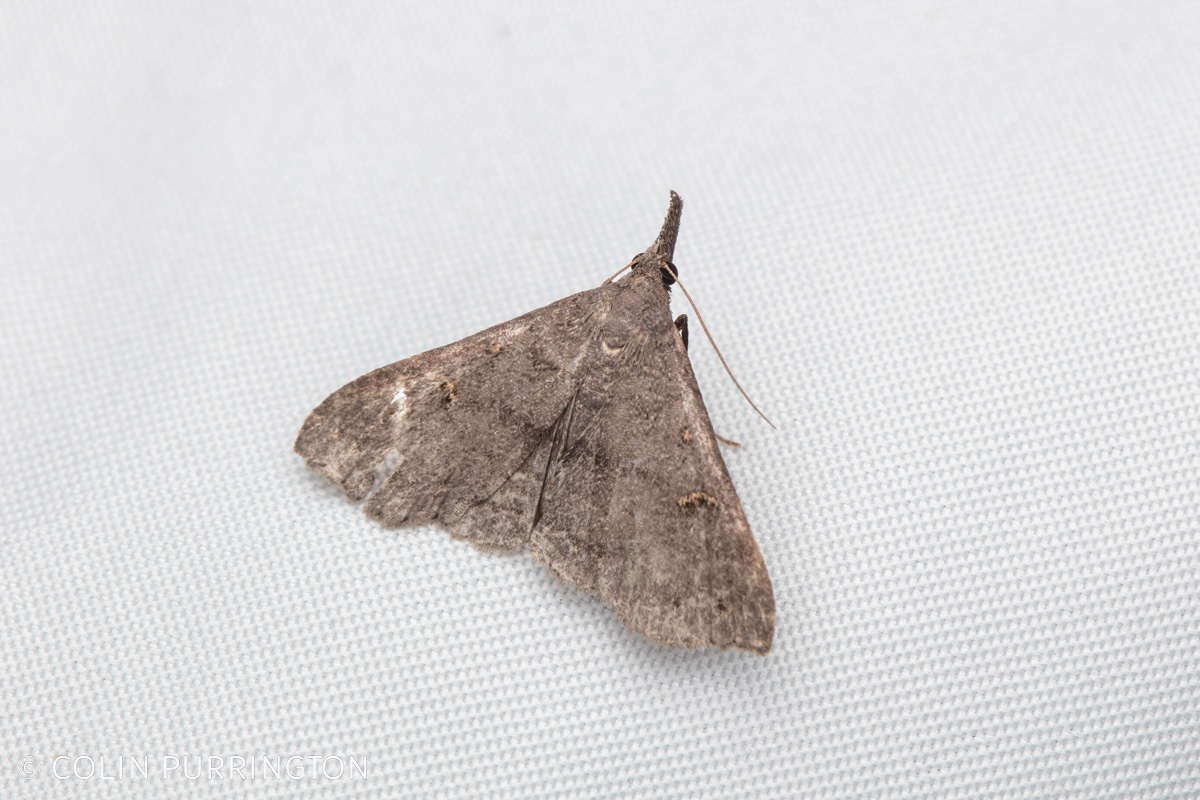
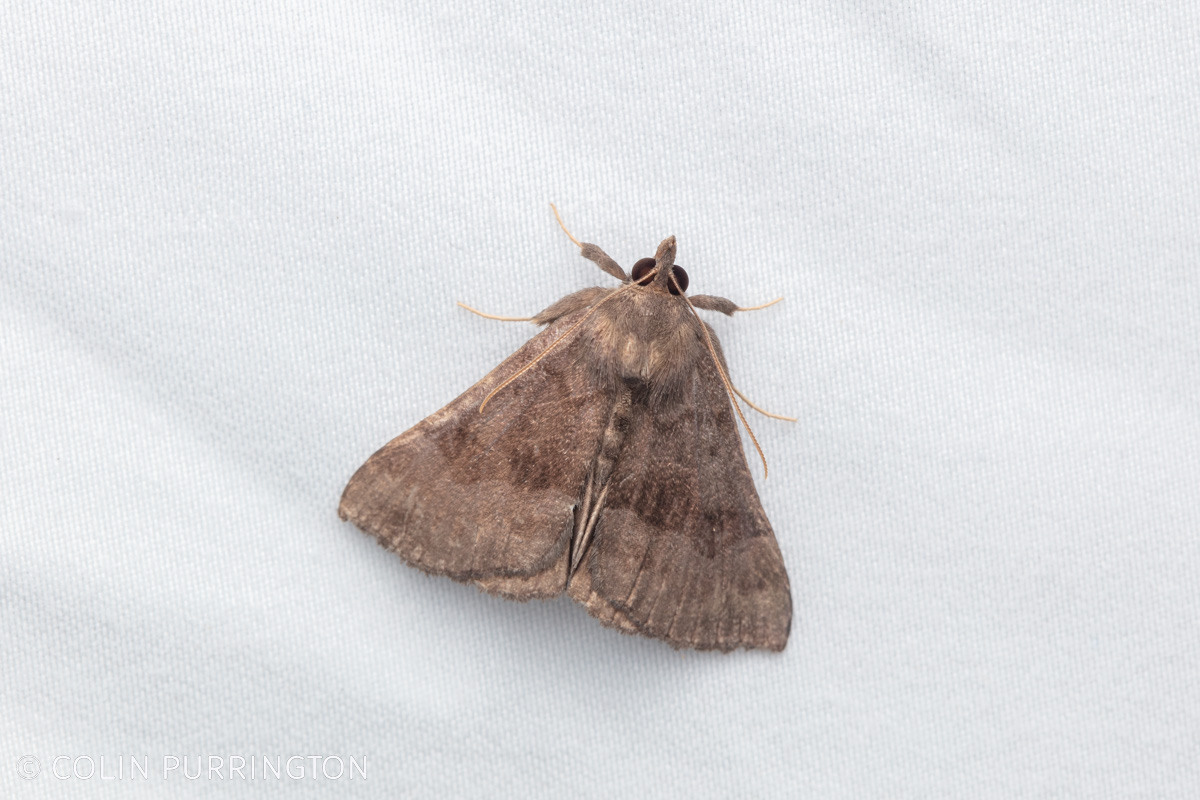
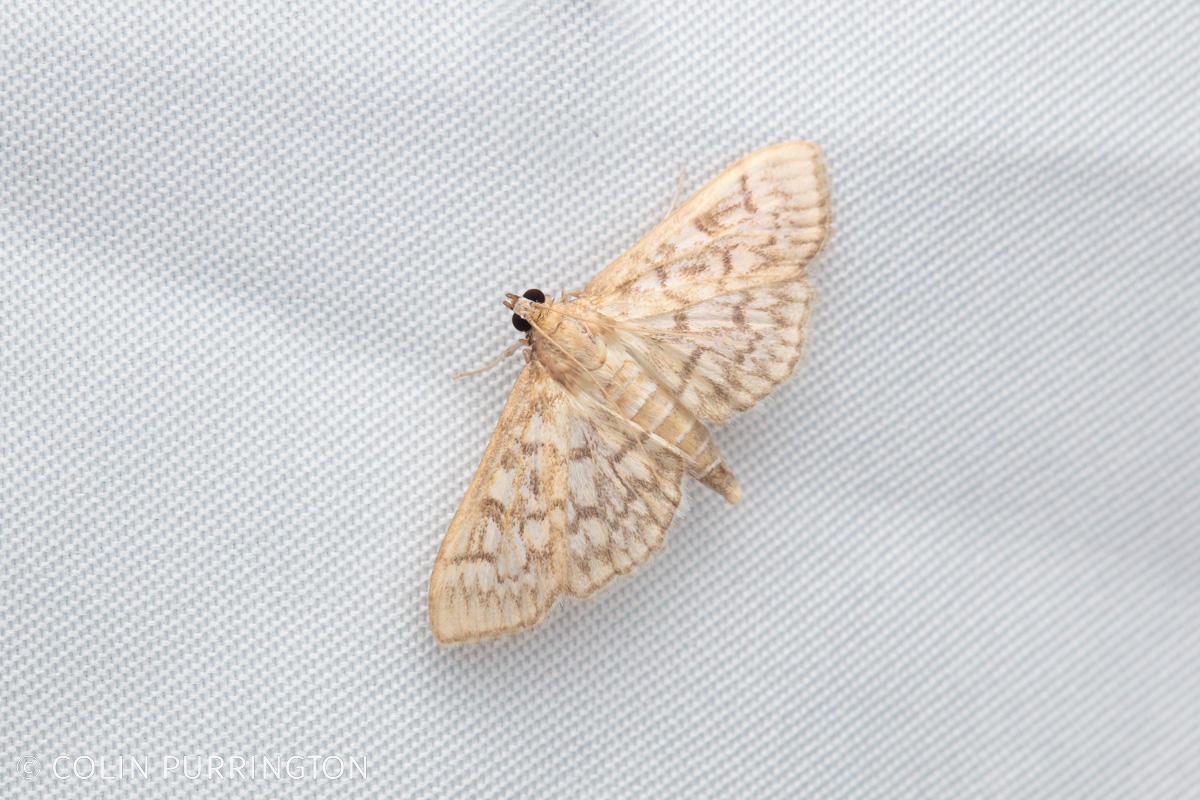
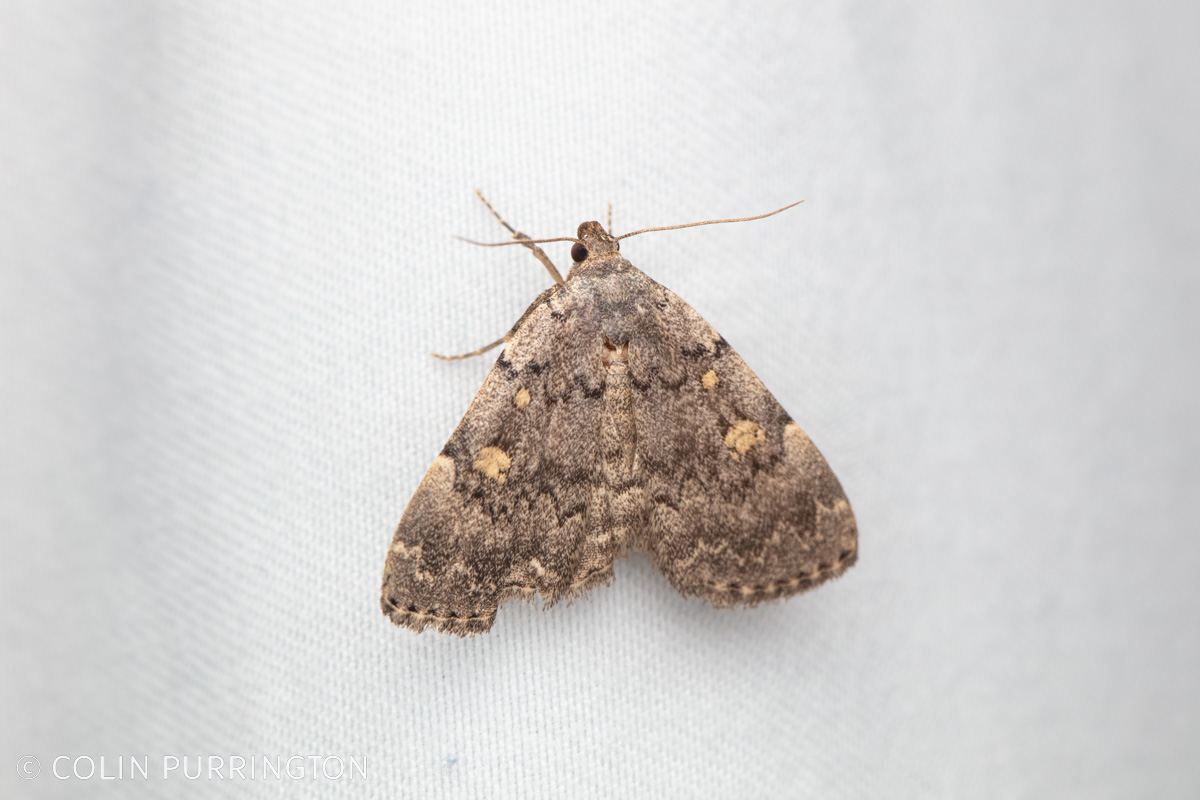
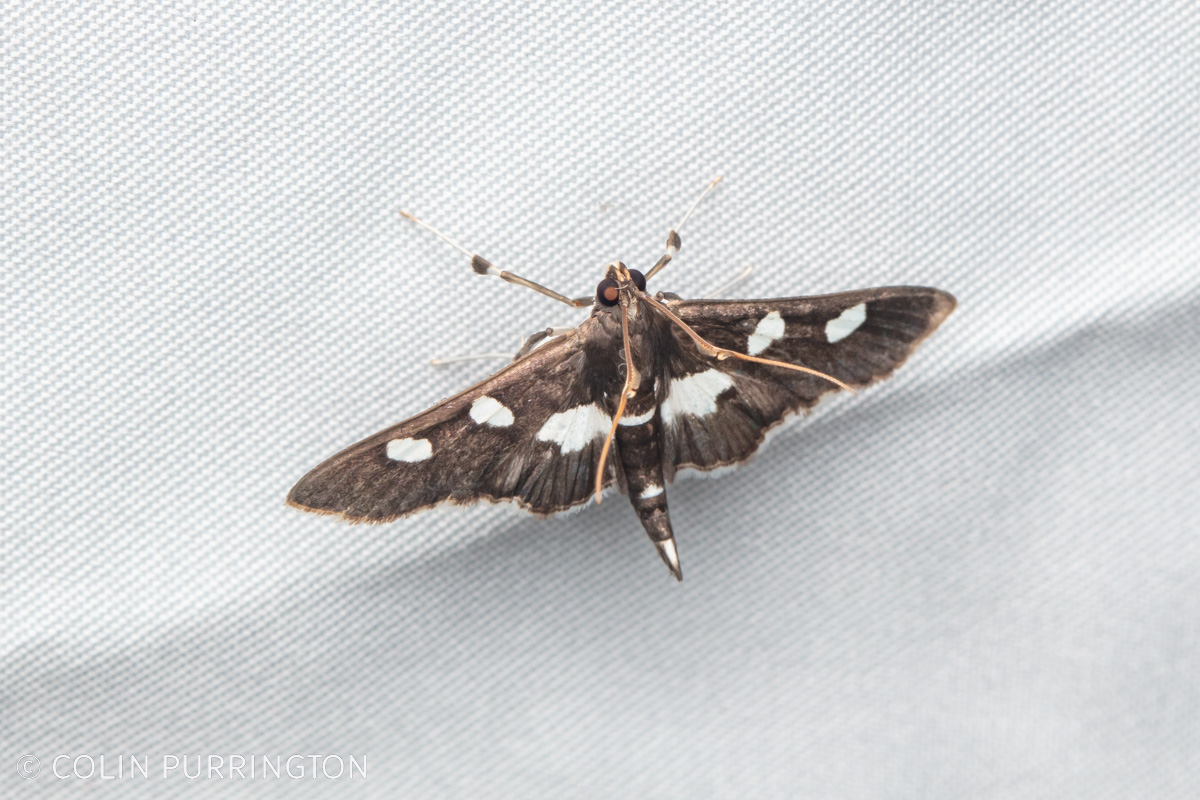
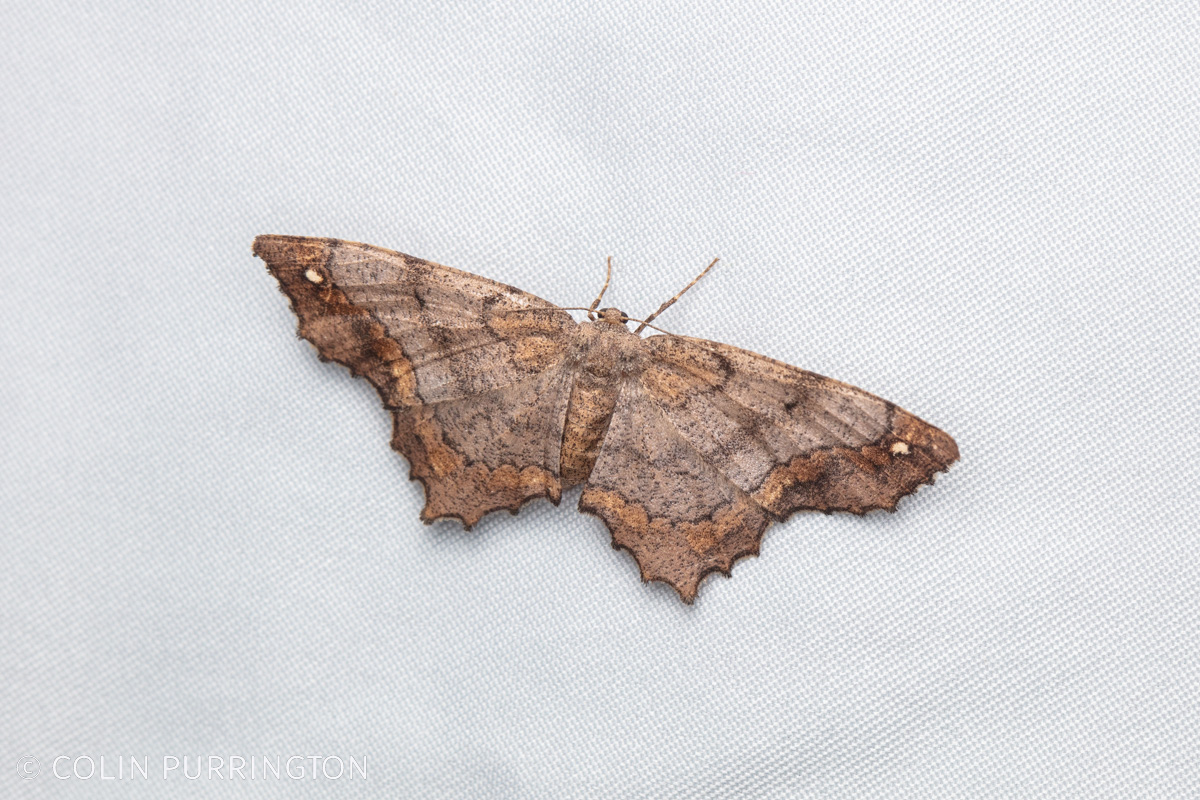
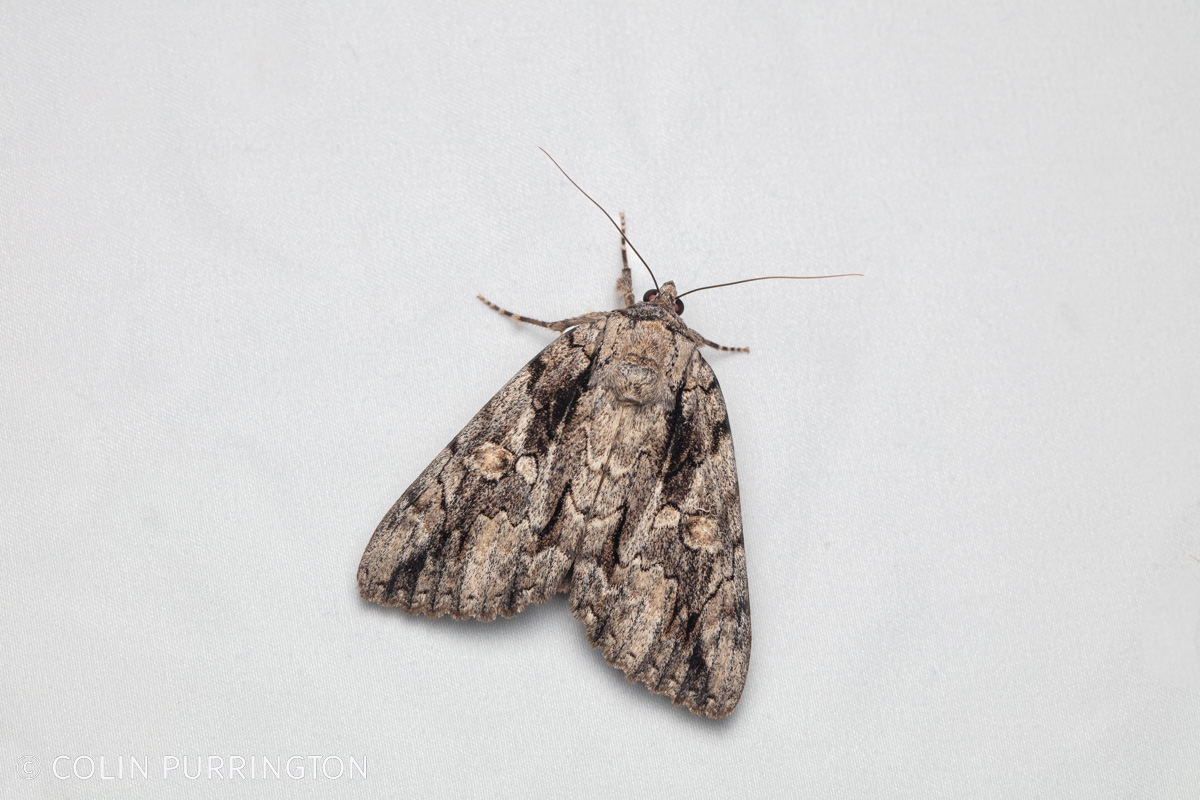
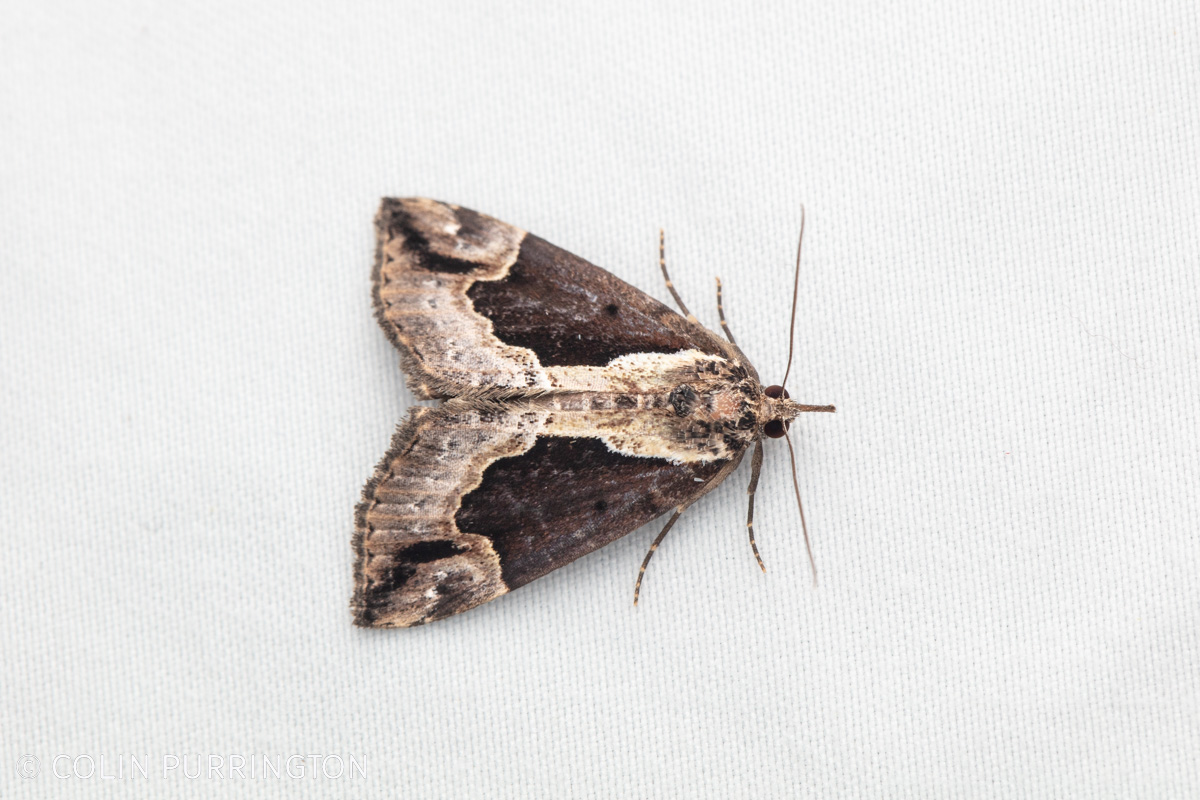
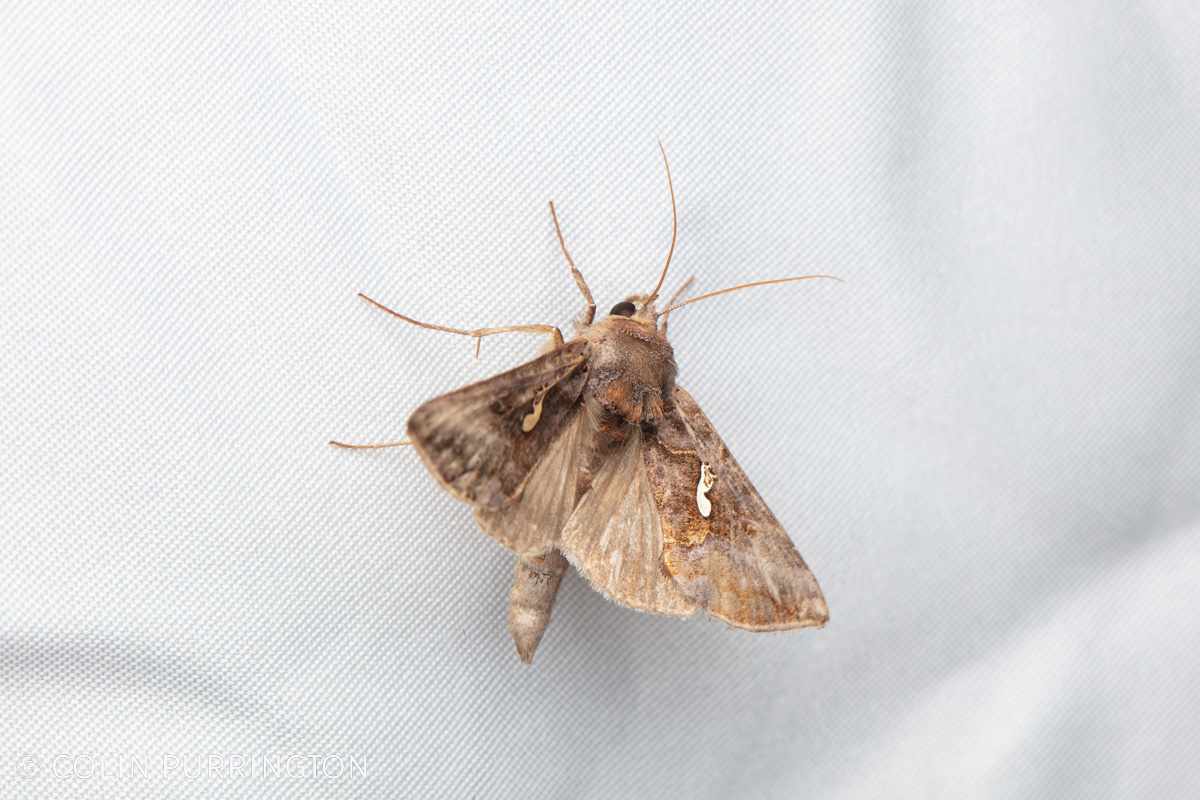
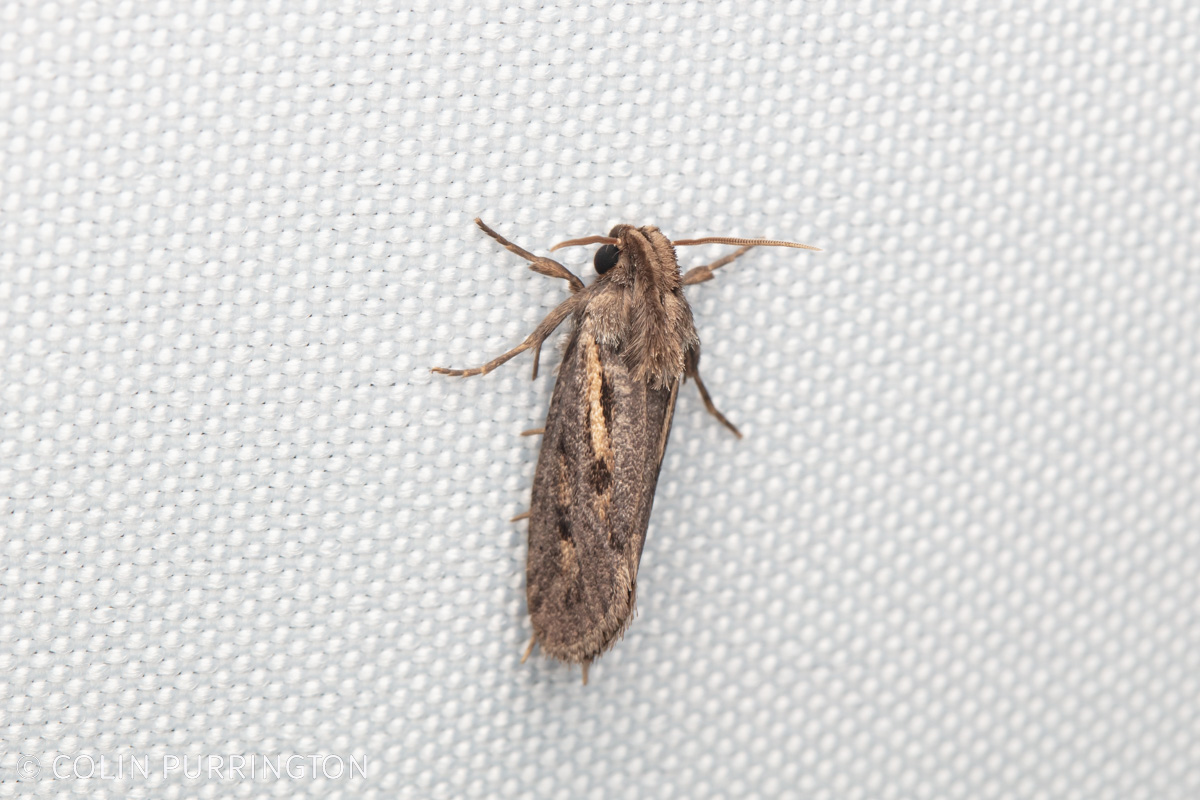
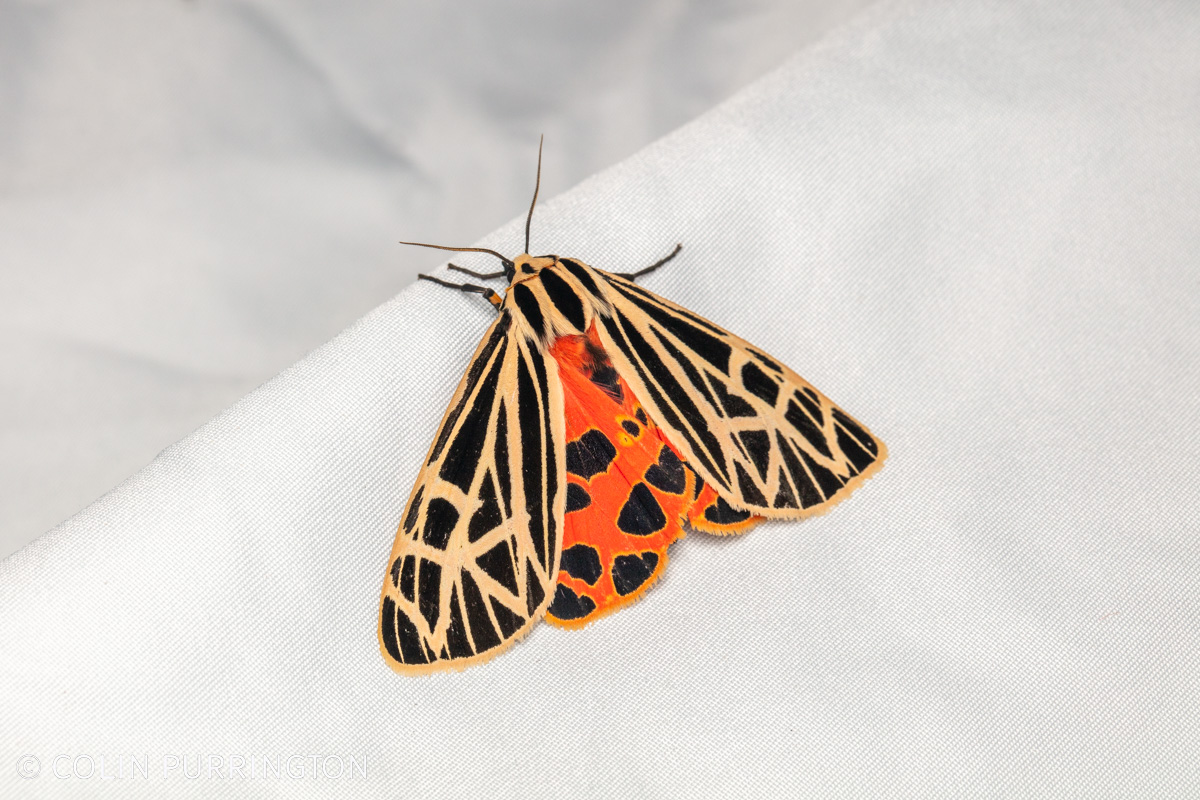
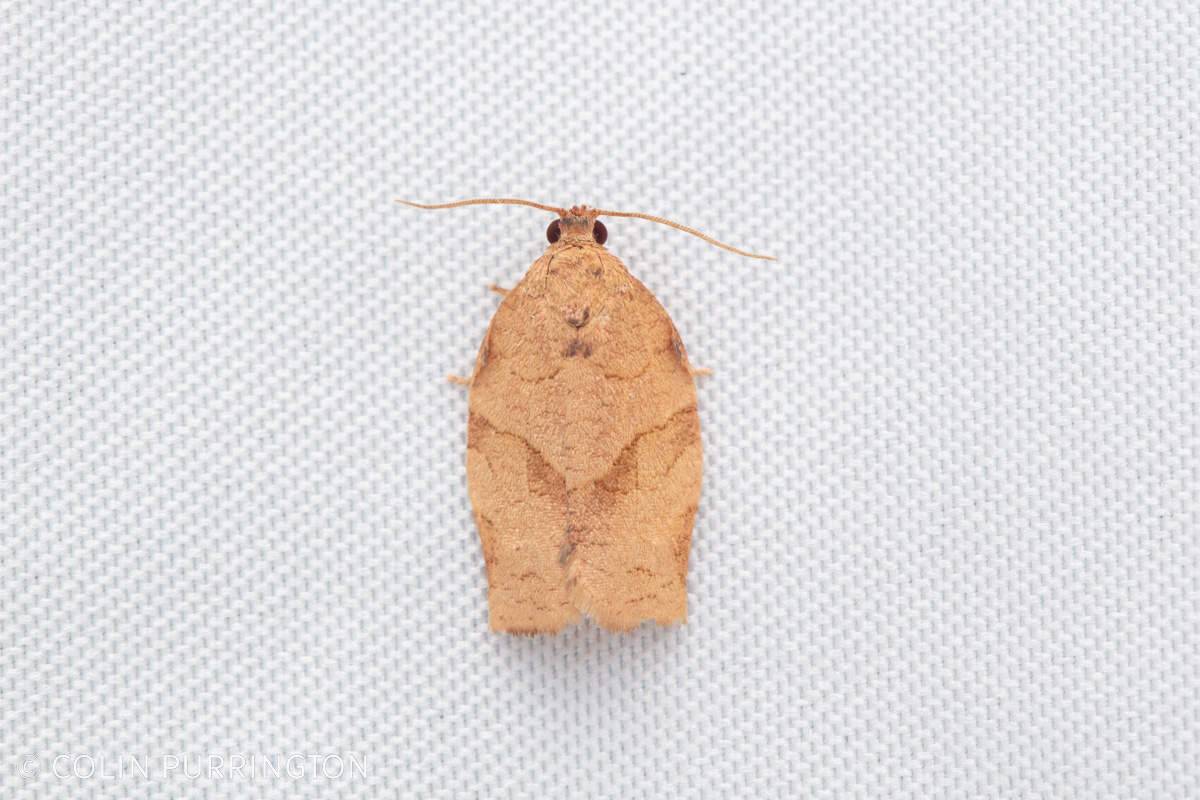
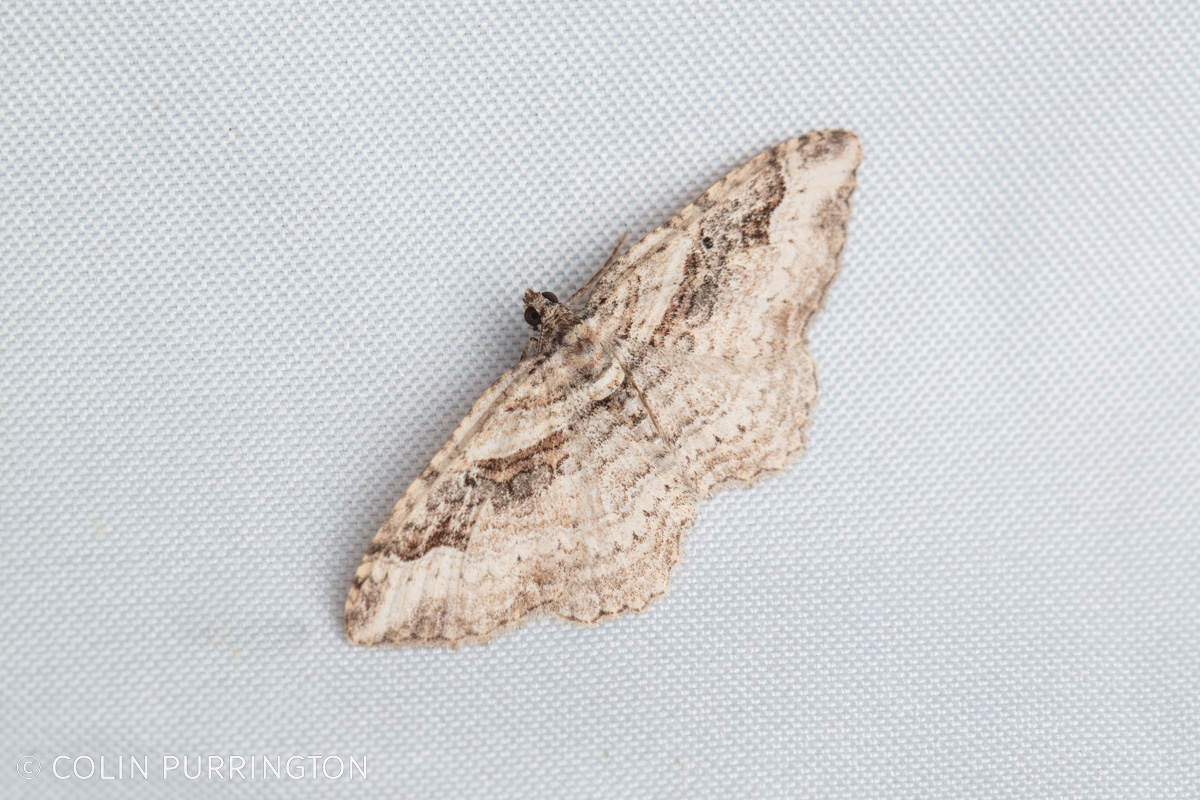
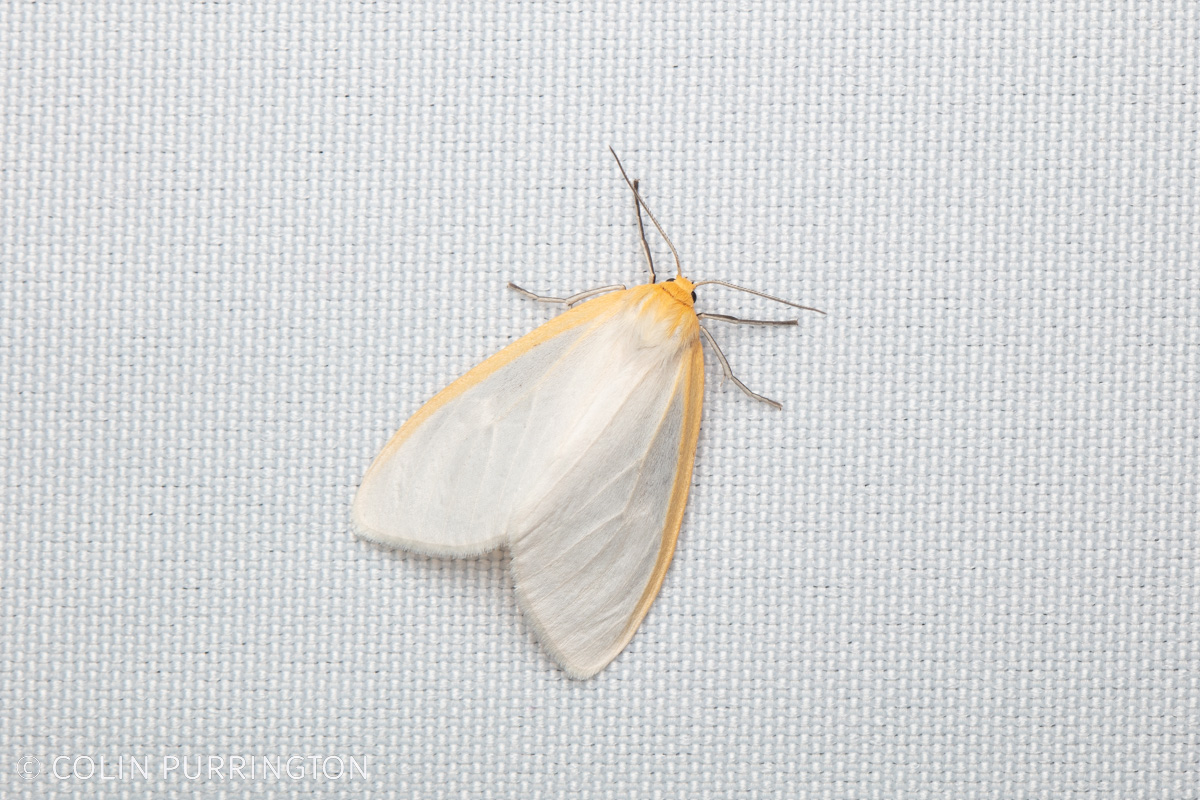
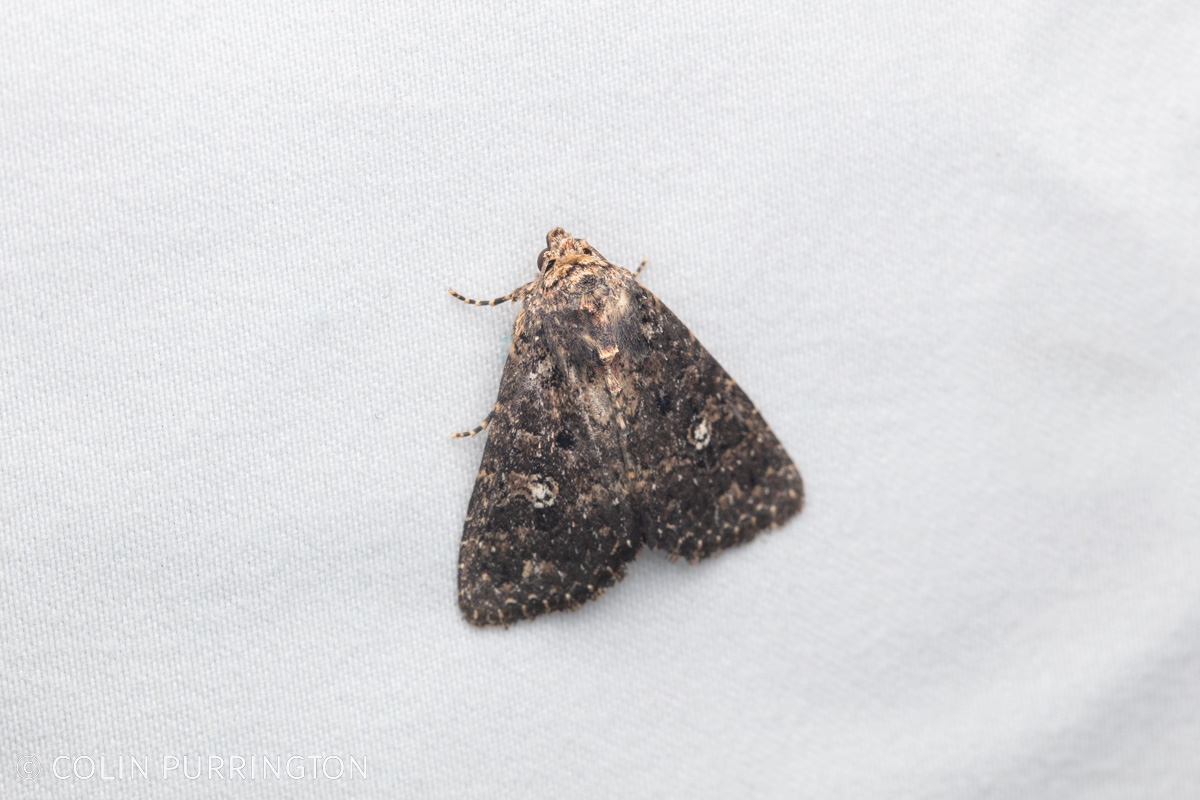
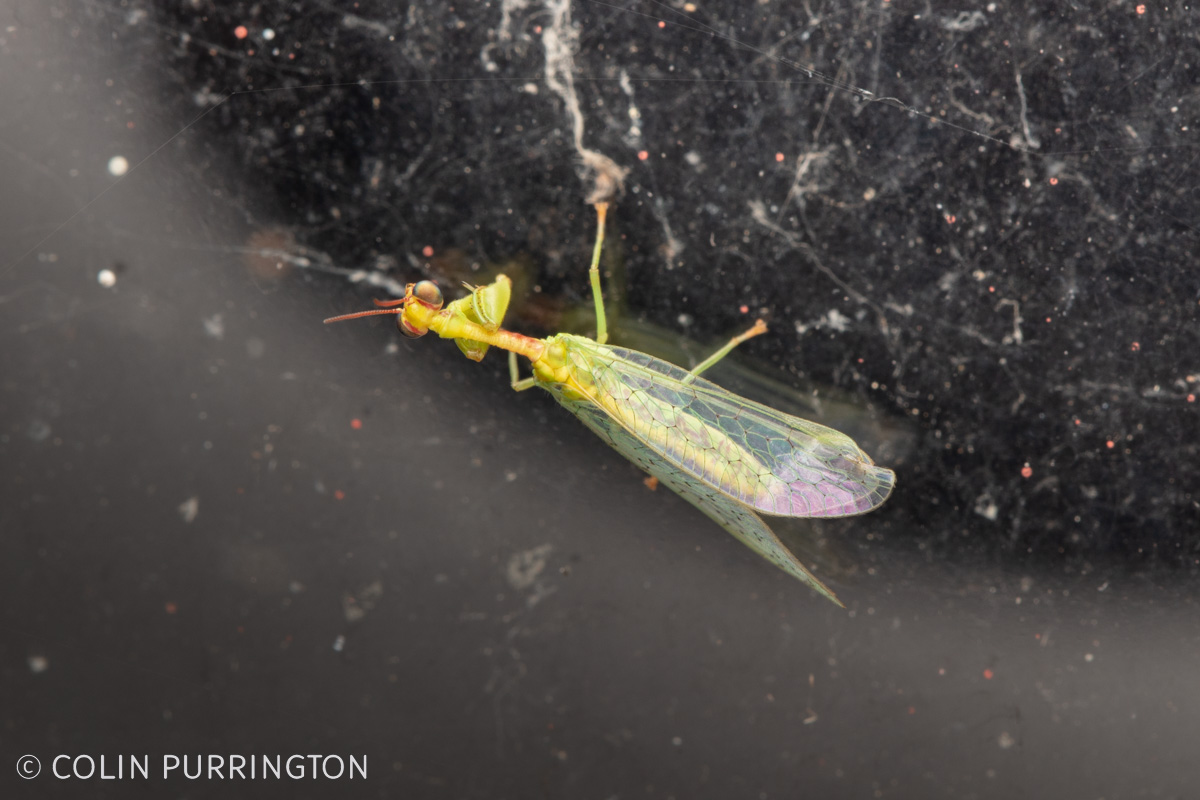
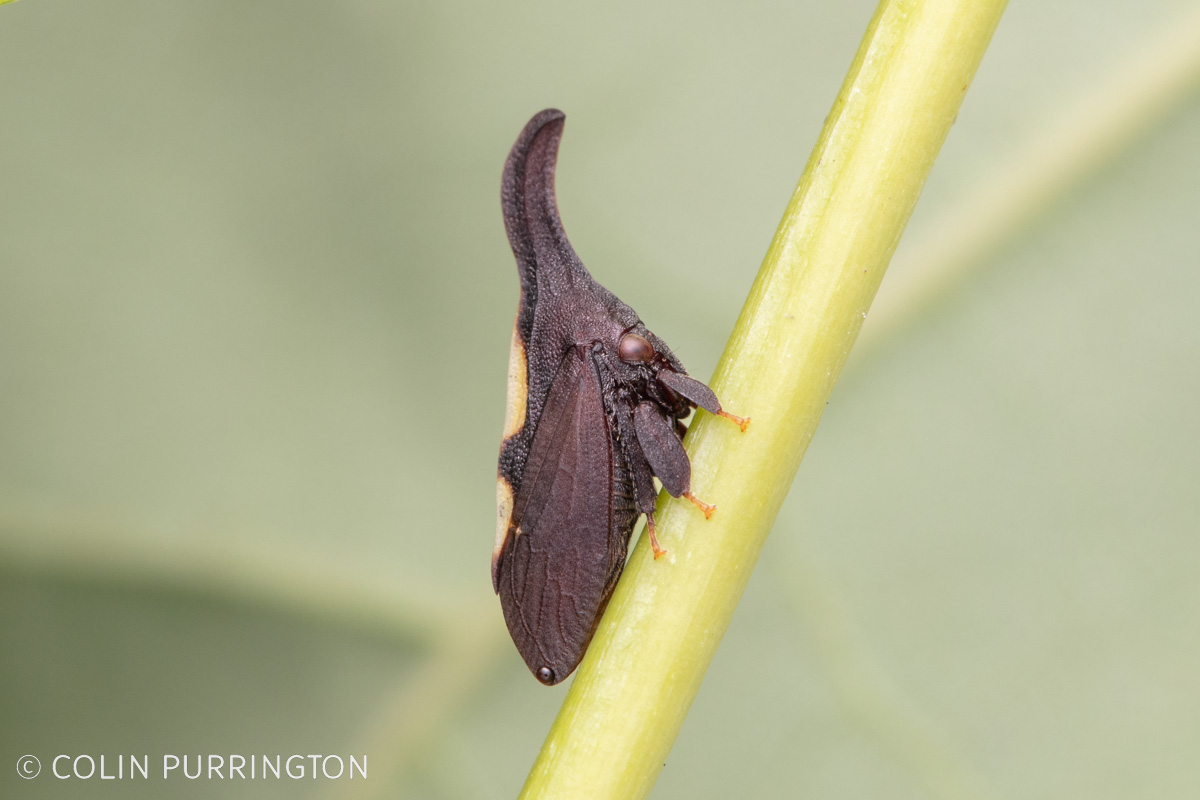
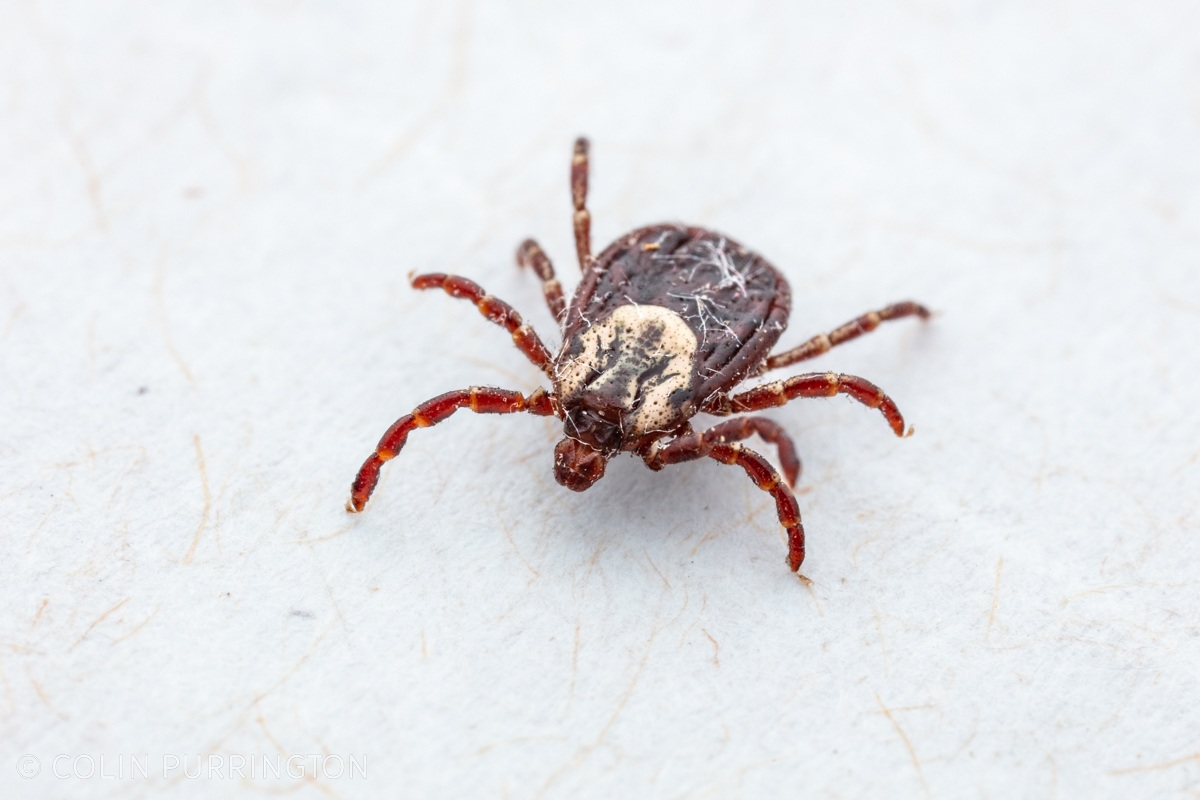
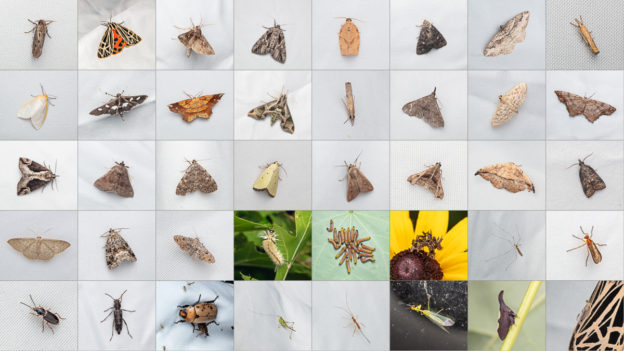
I’m finally getting around to posting photographs from National Moth Week (July 23-31). Over a period of perhaps three hours on July 30th I ended up with 27 moths, 3 caterpillars, 3 beetles, 2 flies, 1 cricket, 1 wasp, 1 mantisfly, 1 planthopper, and a mayfly. And, as I discovered the next morning, a bonus tick. If you want to view any of the below photographs larger, just click on them. And if you think I’ve misidentified any of them please let me know.

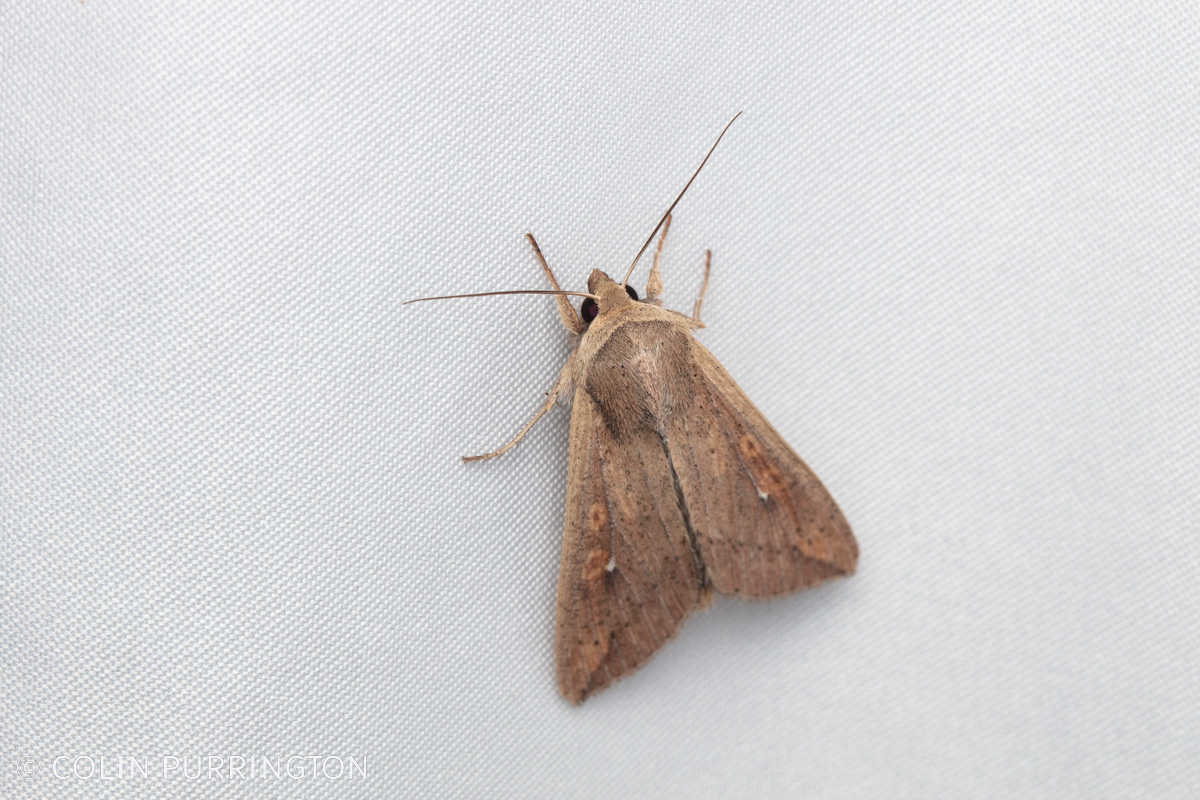
Here are the moths:
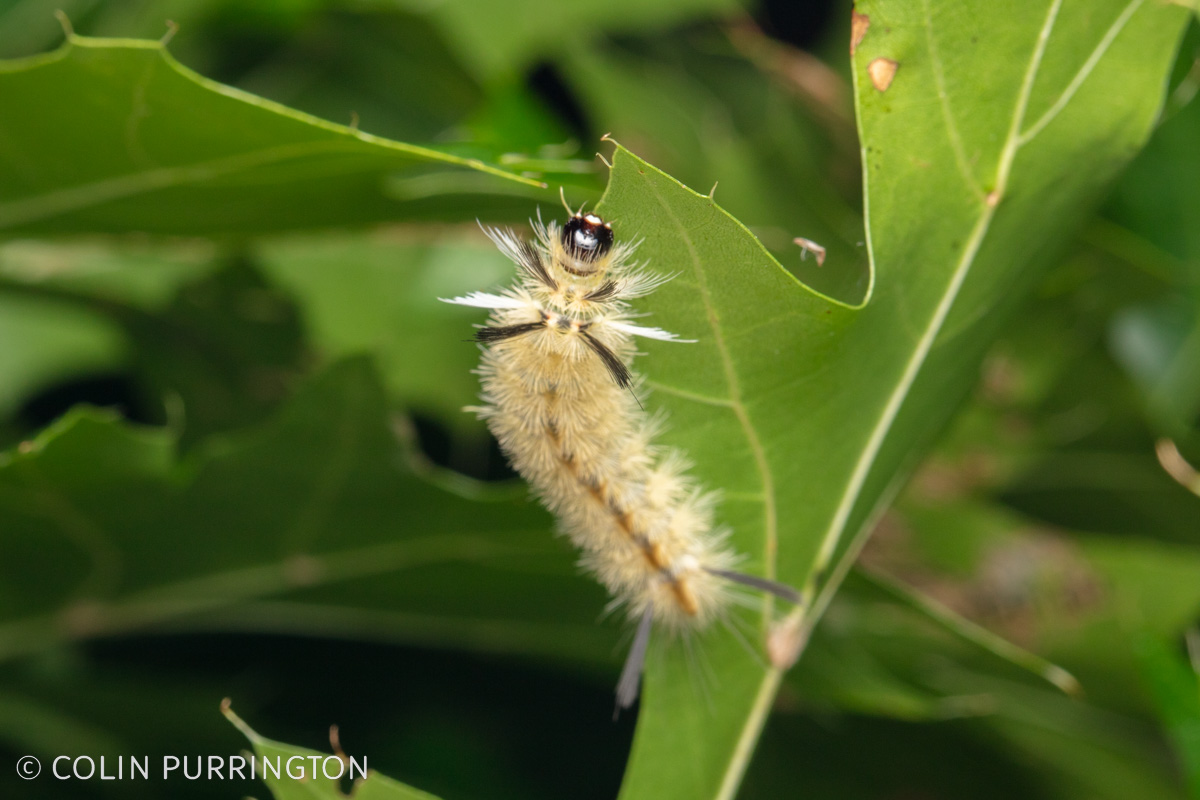
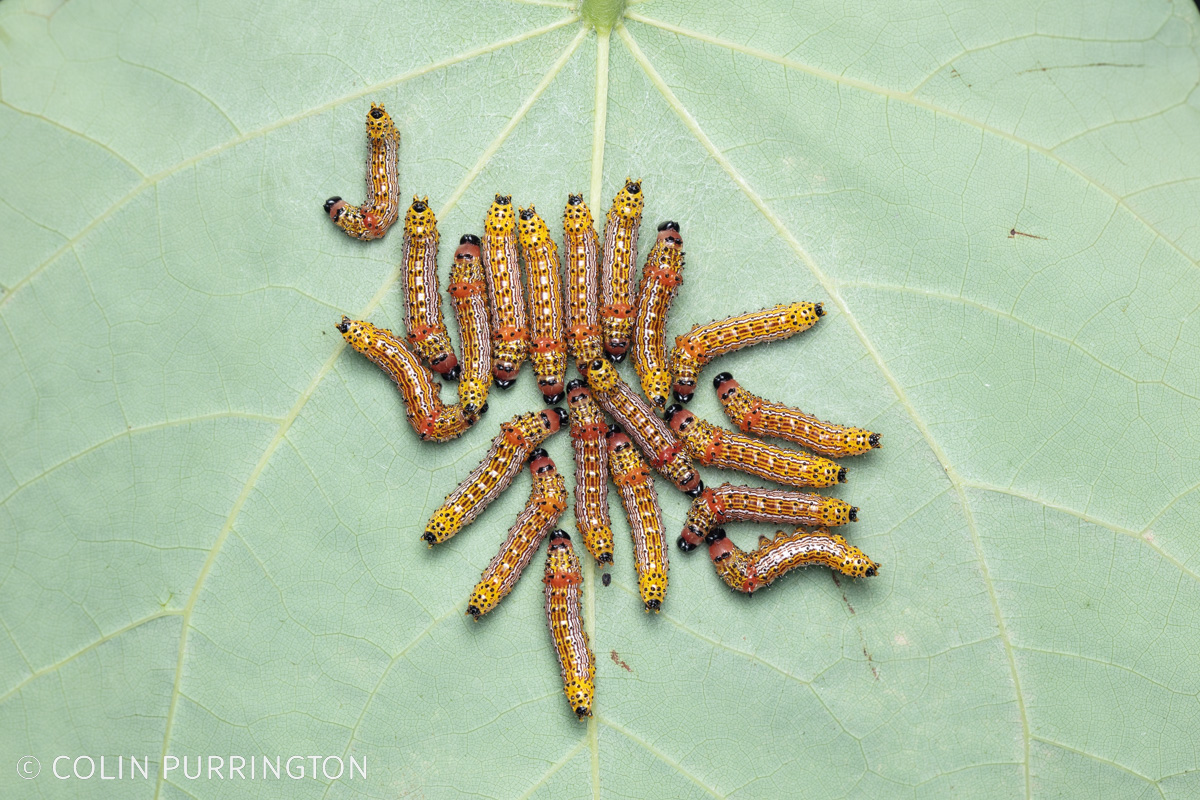
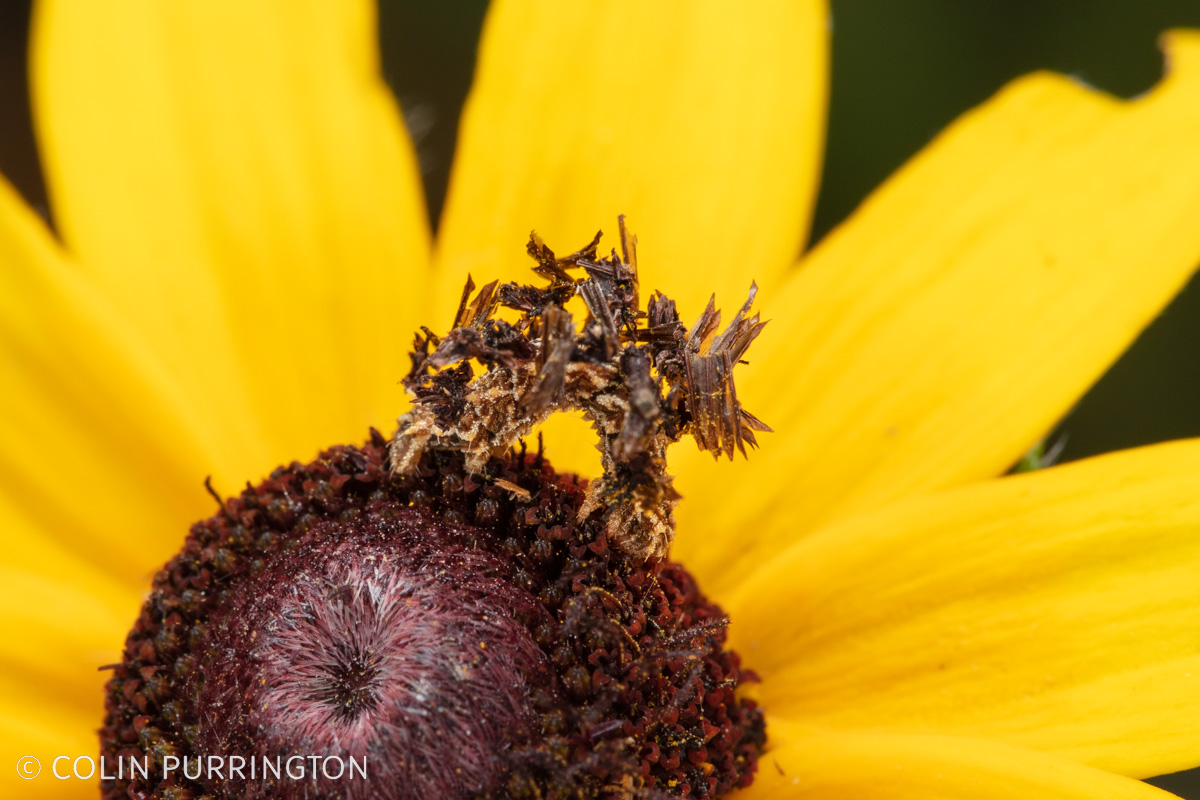
The moth larvae below didn’t show up to the blacklights, of course, but were loitering nearby so I captured them, too:
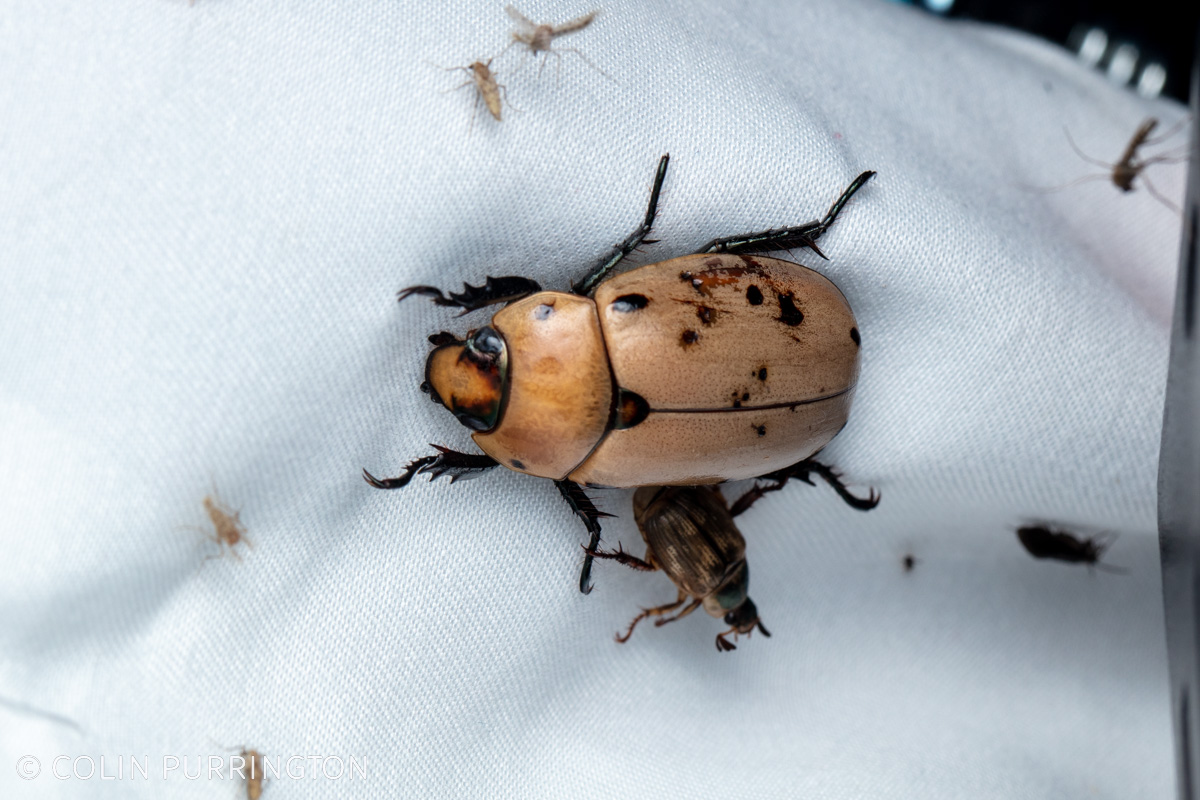
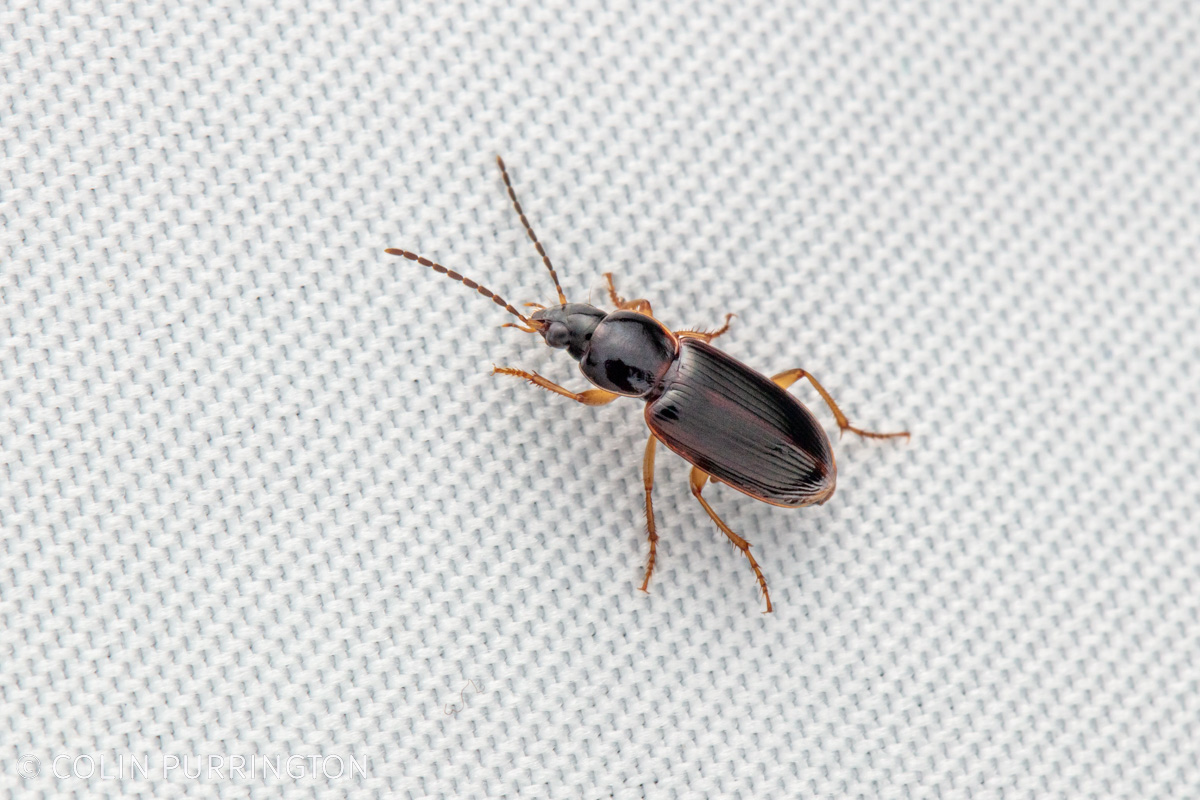
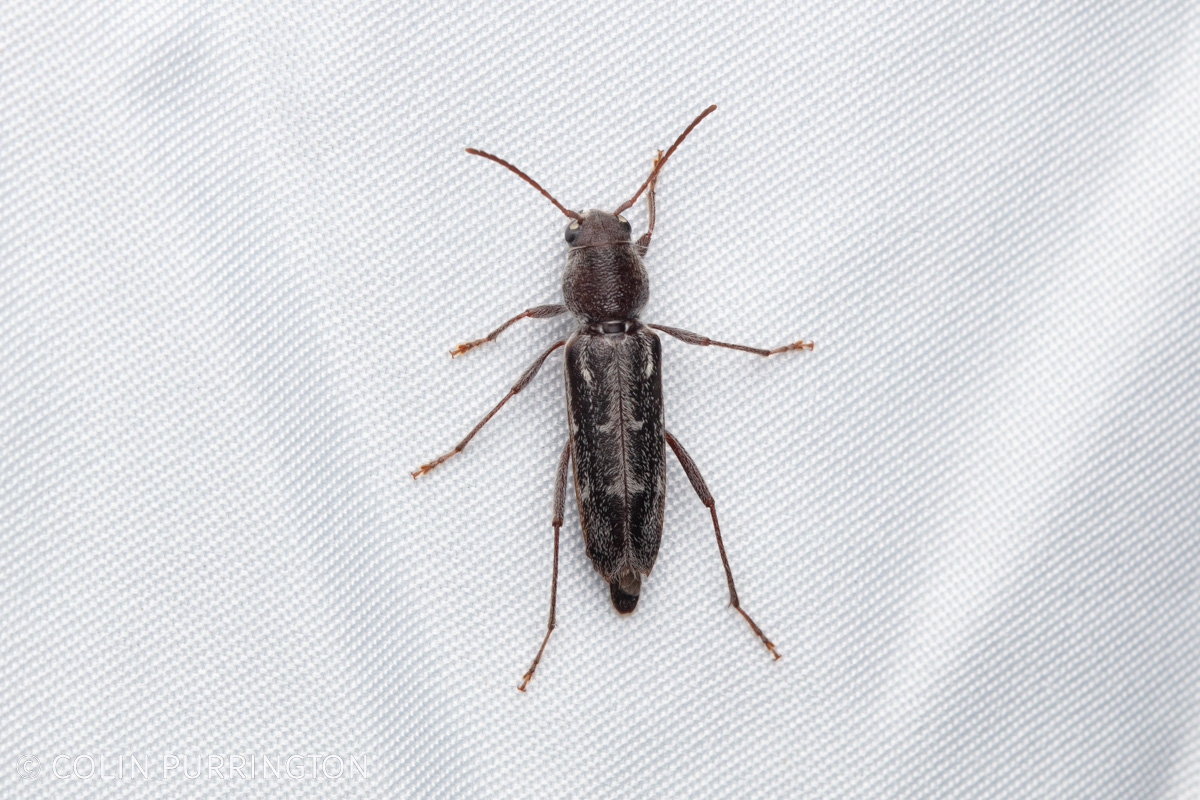
Below are the beetles that showed up. Stenolophus ochropezus was incredible common, with perhaps several dozen during the evening. In the future we really need to set out some sugar/beer bait to get more beetles to show up.
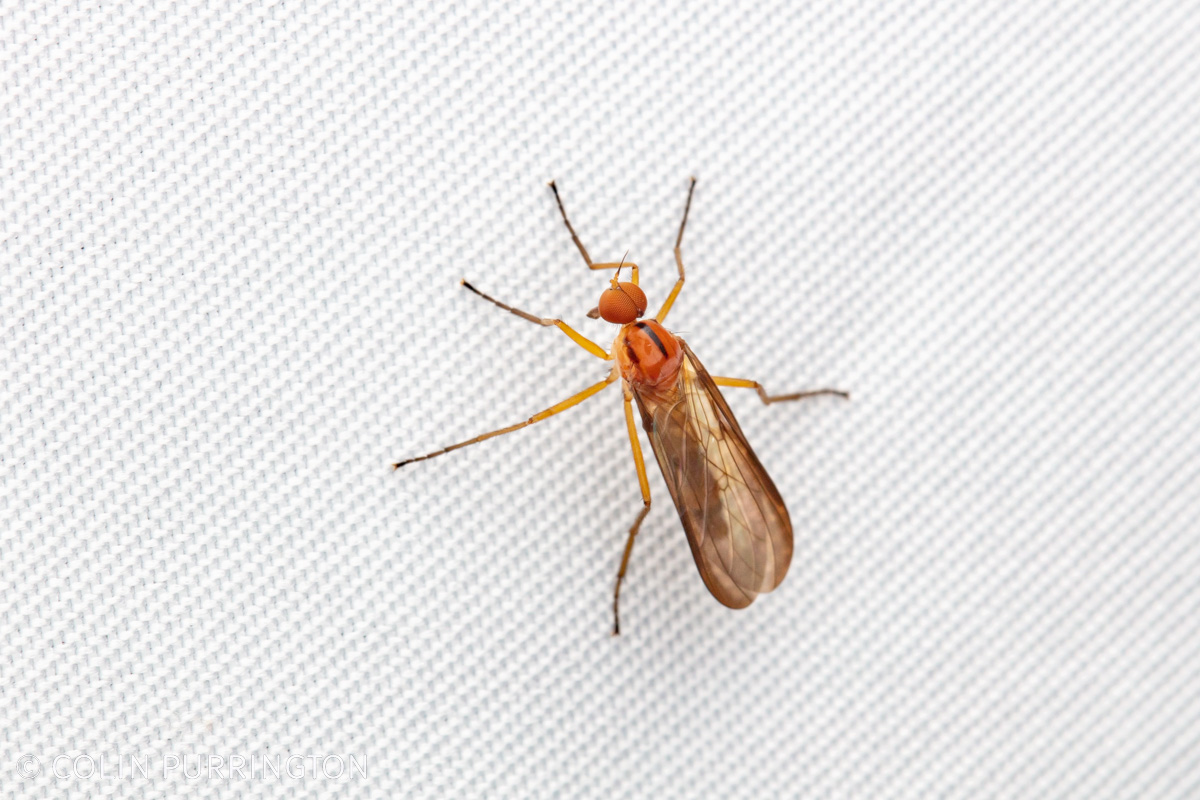
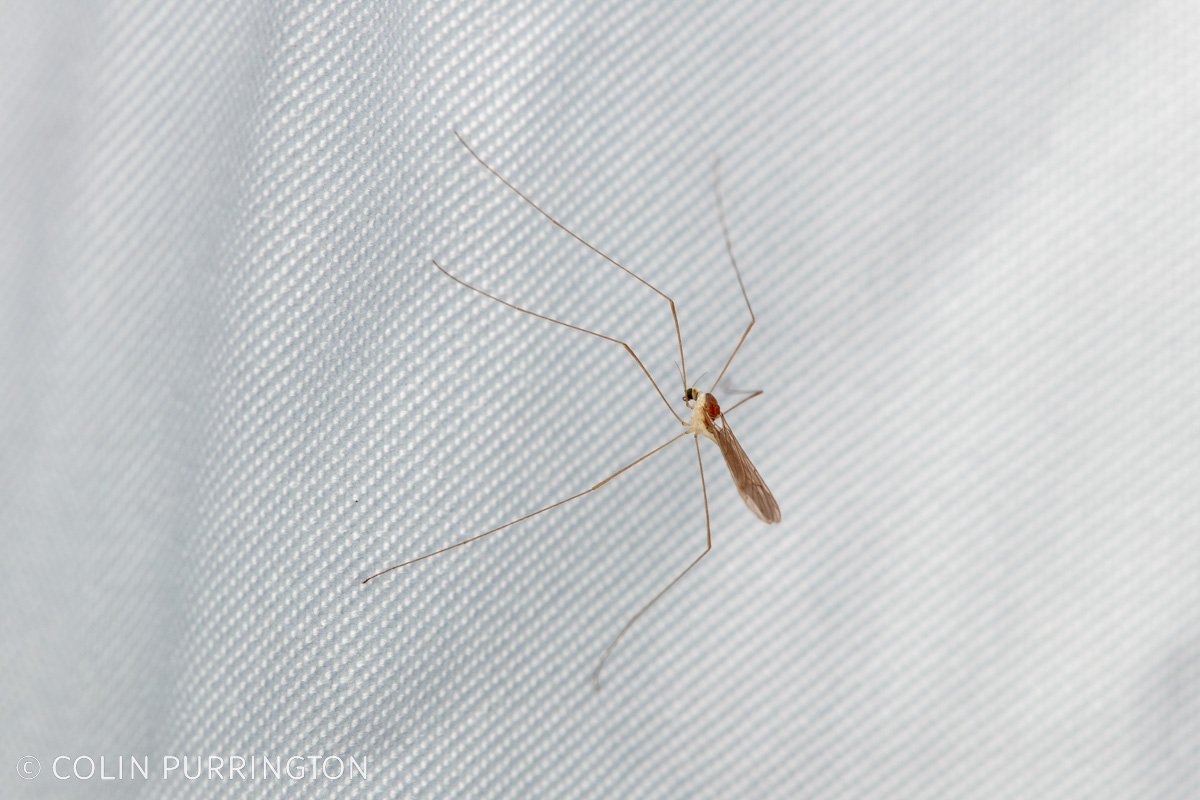
I have only two photographs of flies (a dance fly and a crane fly) but there were uncountable numbers of small dipterans at the lights. If I’d been thinking I would have set up my smaller lens to document them, but then I would have been there until 3 AM.
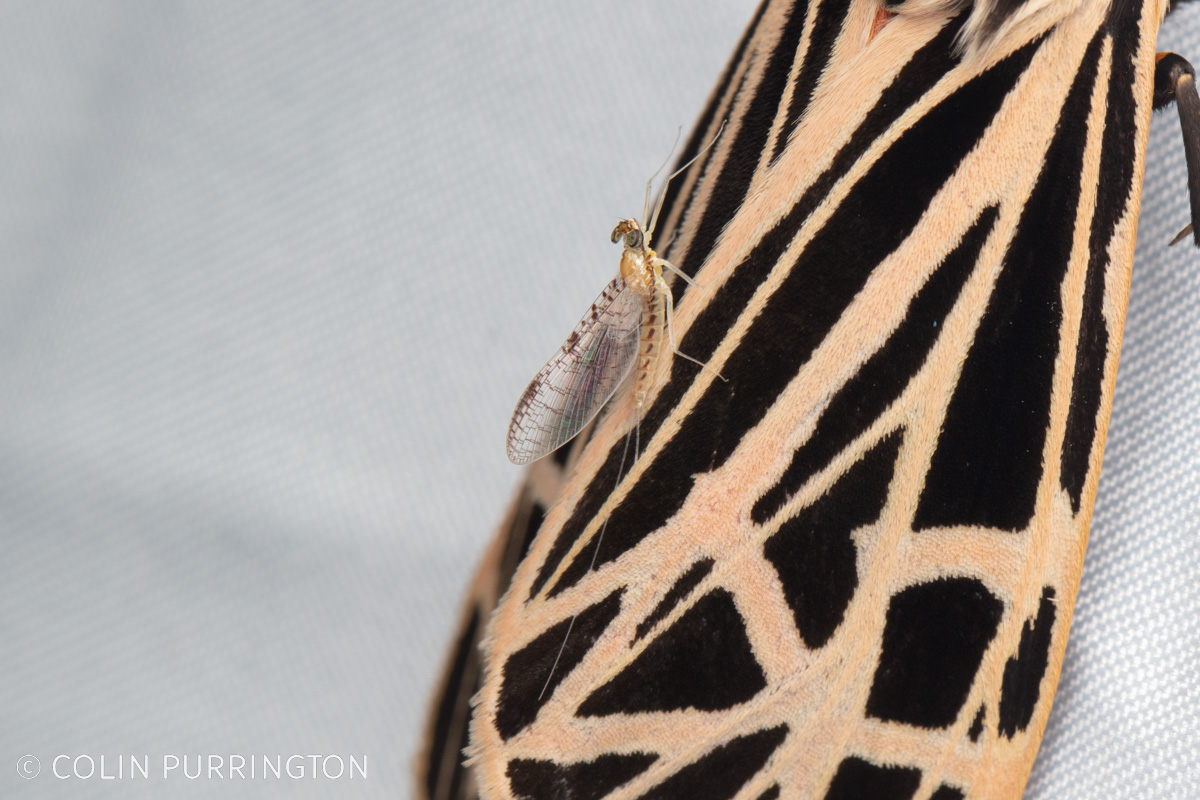
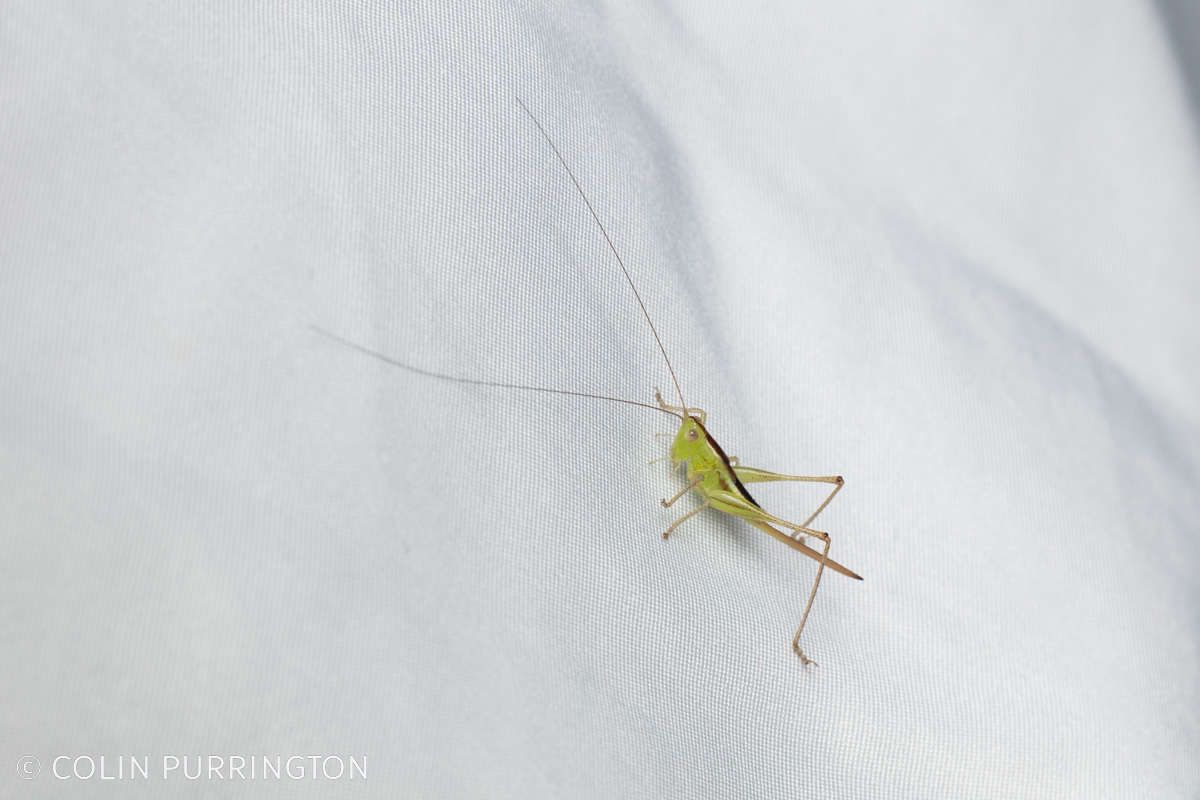
Below is the miscellaneous gallery featuring a mayfly, a wasp, a treehopper, a katydid, a green mantisfly, and a tick. The latter came home with me.
Here are all the iNaturalist observations at Hildacy Preserve that day. Currently that link just shows my photographs but hopefully others who attended that night will upload theirs, too.

Huge thanks to Mike Coll and Tanya Dapkey for organizing a fun evening.

For more details on National Moth Week, please see https://nationalmothweek.org/. For moth identification I recommend Peterson’s Field Guide to Moths of Northeastern North America, BugGuide (free!), iNaturalist (free!), and Moth Photographers Group (free!). For larvae I use David Wagner’s Caterpillars of Eastern North America.

If you live near Philadelphia, here are directions to Hildacy Preserve.

Jumping spider with fly

I think this is Eris flava, but happy to be corrected. Like every jumping spider I’ve photographed it held onto its prey even while I chased it around the leaf to get the shot. I think I’ve seen a jumping spider discard its prey only once, and perhaps that instance was a spider that had pretty much finished the meal. If you know of any papers on the topic of prey retention under threat, I’d be interested.

Paraphidippus aurantius

If you’re curious, the fly probably isn’t dead yet. Just paralyzed and being digested from within with enzymes injected by the spider. I’d wager the process is exquisitely unpleasant for the fly. I’m assuming the spider moves to different parts of the fly to access different pockets of muscle and such but I couldn’t confirm that in the literature.

If you’re interested in identifying something that’s similar, there’s a useful paper on differences of E. flava and E. militaris by Madison 1986 (pdf), but illustrations of the head are only of males. Photographs and other information are at BugGuide.

Pyractomena borealis

Pyractomena borealis (Lampyridae) exploring the surface of trees on a warm winter day in February. At first I thought it might be foraging — they are highly predaceous, and hunt slugs and earthworms (in packs!) by first injecting them with paralytics. But it turns out they are just looking for a place to pupate.

Here is a close-up of the fully retractable head. Those mandibles are hollow.

Pyractomena borealis mouthparts

Here’s a photograph showing a retracted head.

Adults of this species will emerge from pupae sometime in early Spring to be the first fireflies in the area.

The larvae are bioluminescent, too, by the way. The hypothesis about why the larvae glow is that it evolved first as an aposematic trait in larvae, warning mice and toads of the presence of lucibufagins, steroidal toxins in the hemolymph. It’s thought that the adult habit of using flashes is secondarily evolved, millions of years after the larvae evolved the ability to glow. The ability of larvae to glow even predates the origin of the Lampyridae, I gather. For more enlightening details, see Branham and Wezel (2003)Stanger-Hall et al. (2007), and Martin et al. 2017.